A cascade of impacts, multiplied
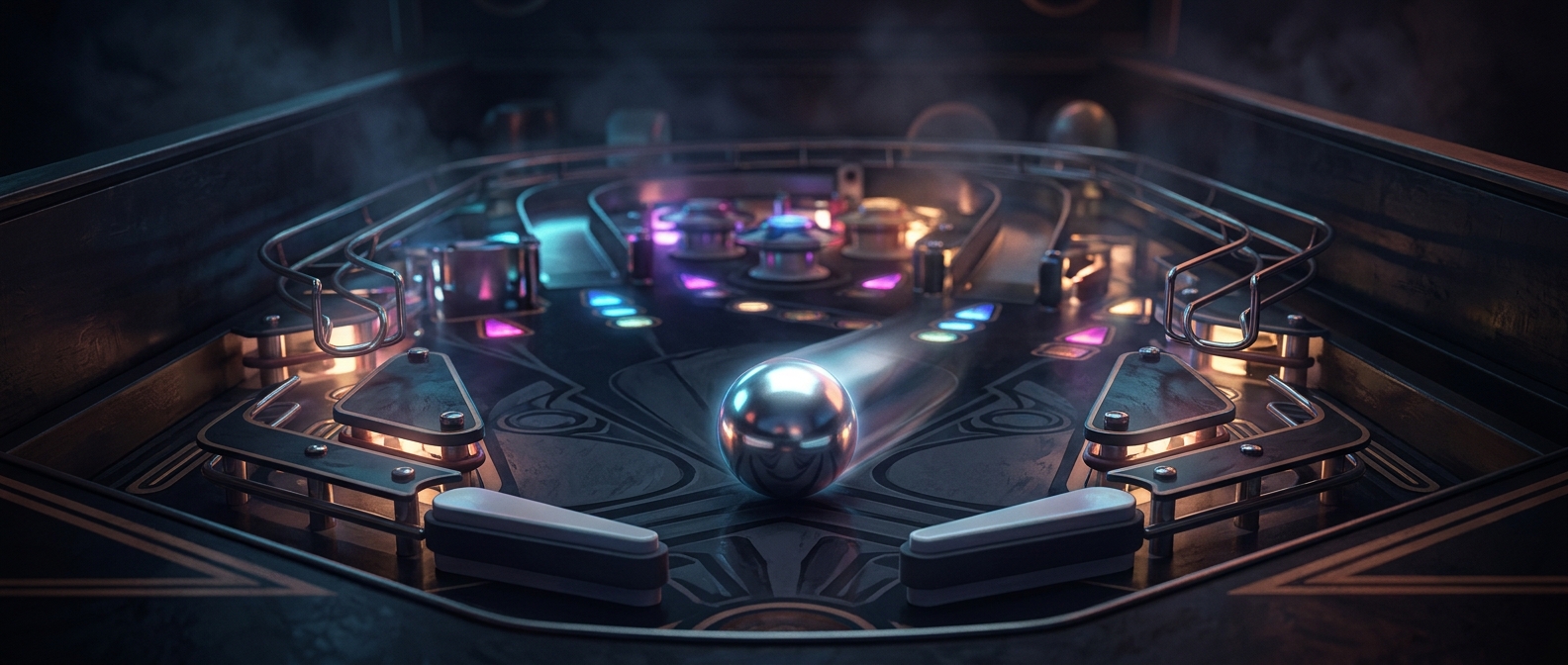
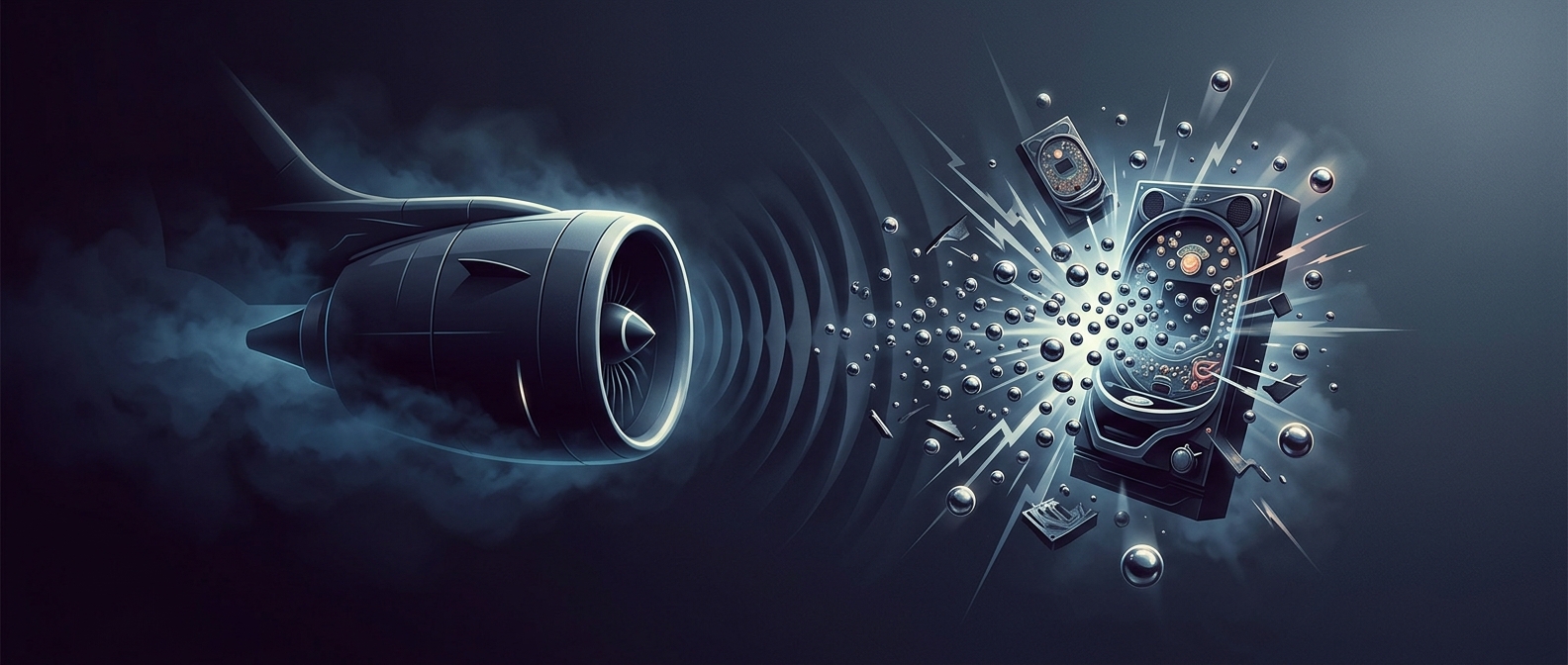
A pachinko machine sends small steel balls through a crowded field of pins. As they ricochet downward, they strike one another and the machine’s metal and plastic parts, producing a rapid, irregular clatter. The sound is not one enormous crash but thousands of tiny impacts arriving too quickly to distinguish.
Inside a parlor, that noise is multiplied across rows of machines running at once. Fans, motors, ball-handling mechanisms, and electronic sound effects add other layers. With so many overlapping sources, the room’s steady background roar can overwhelm the sound of any single game.
Noise becomes part of the game
Pachinko is built around watching balls travel through the machine and hoping they enter winning pockets. The visible motion and bursts of lights or sounds make each play feel immediate, even though the player has limited control once a ball is launched. In a busy parlor, the surrounding clatter turns those individual moments into a continuous sensory environment.
That is why the comparison to an aircraft is about the overall impression, not one machine producing a single jet-like blast: the roar comes from a roomful of small mechanical events happening together.