The typewriter turned progress into a resource
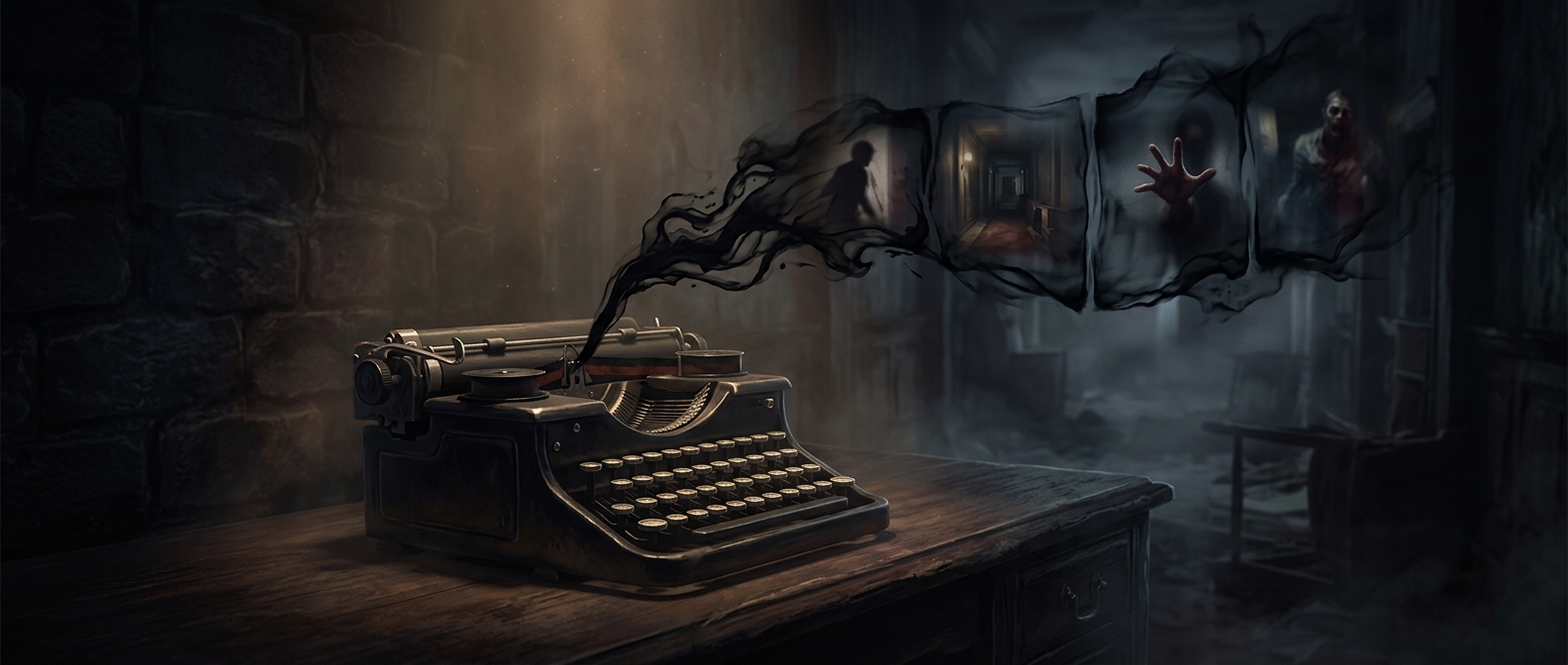
In the original Resident Evil, a typewriter is more than a menu for recording a game. To use one, players spend an ink ribbon, a consumable item they must find and carry. Because ribbons are limited, each save has an opportunity cost: use one now, or keep it for a later stretch that may be harder to repeat.
That choice matters because saving preserves more than a character’s life. It records solved puzzles, opened routes, and supplies gathered along the way. If the character dies before the next save, the player may have to replay that whole section. The ribbon therefore puts a price on securing progress, not just on avoiding a game-over screen.
Risk becomes a planning decision
A player returning from a dangerous corridor has to weigh how much has been accomplished against what might still lie ahead. Saving offers immediate security, but spending a ribbon too freely can leave fewer opportunities to protect later progress. Carrying one also competes with the other items that fit in the game’s limited inventory, so the decision can involve what to bring as well as when to save.
This system makes ordinary movement feel consequential. A nearly empty supply of ammunition or a long route back to a typewriter can turn a familiar room into a source of tension. The player is not simply asking, “Can I survive this encounter?” but also, “Is what I stand to lose worth the risk?”
The result is a survival-horror rhythm in which safety must be managed rather than assumed. A typewriter can mark a moment of relief—but only if the player has kept an ink ribbon for it.