A Haunted Mansion Became the Blueprint
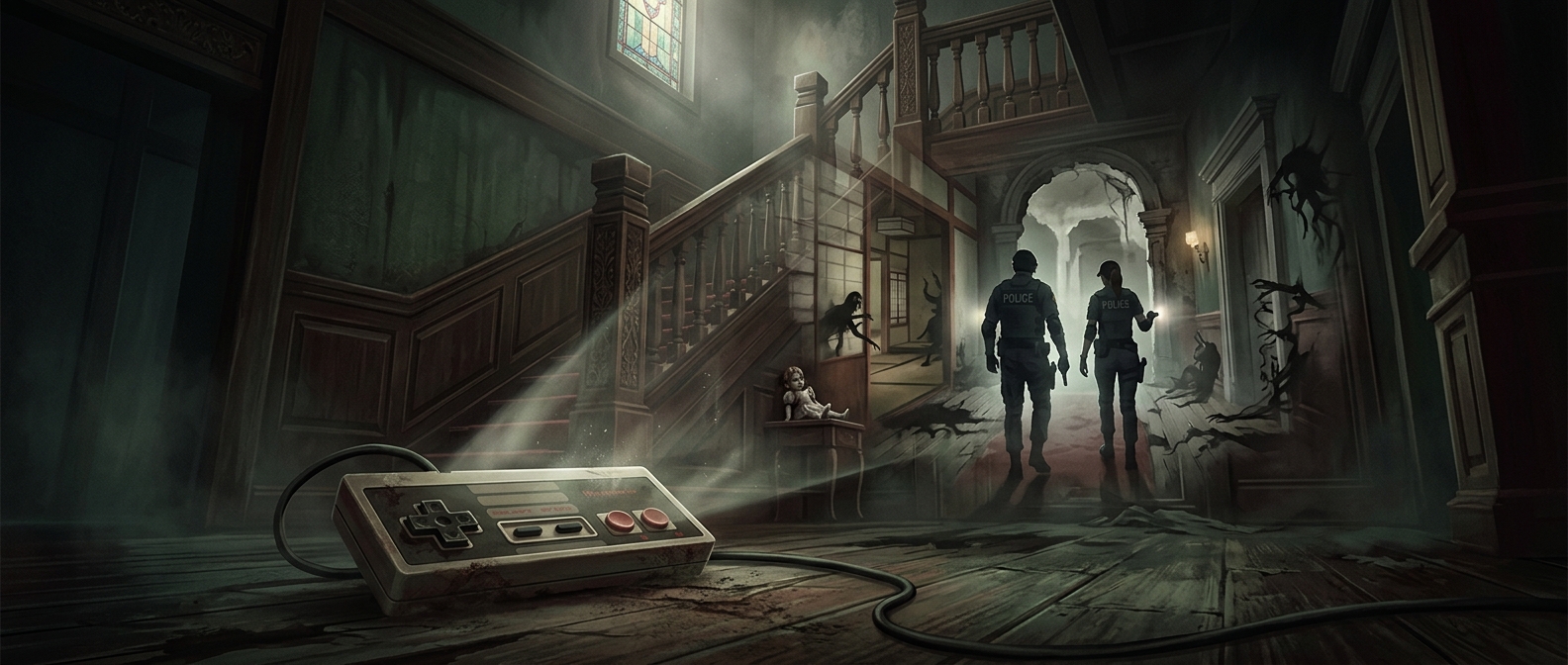
Resident Evil’s early concept drew on Sweet Home, a Japanese horror story about a group trapped inside a haunted mansion. The connection runs through both film and game: Sweet Home began as a Japanese film, then became a 1989 Capcom video game. That game supplied a compact, game-ready premise—explore a dangerous house, uncover what happened there, and try to get out alive.
What Carried Over—and What Changed
The mansion setting made horror playable as a sequence of tense decisions. A locked door could turn a corridor into a dead end; a scarce key or tool could make a return trip risky. Instead of relying only on frightening images, the design could make players feel vulnerable by limiting what they could carry and how easily they could escape danger.
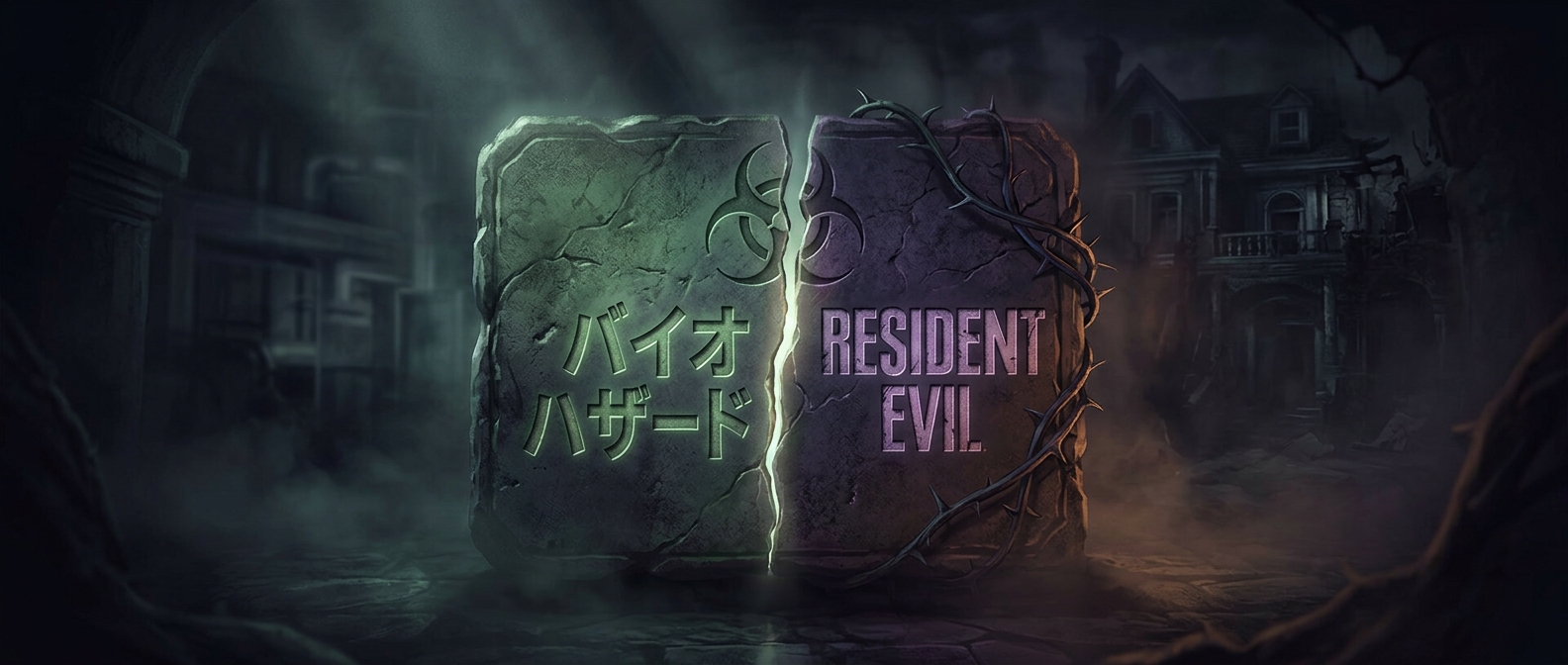
Resident Evil developed that haunted-house foundation into its own survival-horror experience. Its mansion became a place to investigate and navigate, where puzzles and enemies made progress feel costly. The result was less a simple retelling than a transformation of the premise: the frightening house was not just a backdrop, but the system that shaped what players could do.
That origin helps explain why Resident Evil’s early horror feels so enclosed. The central threat is not only what waits in the dark, but the house itself—its locked rooms, narrow routes, and the danger of having to go back through them.