A technical limit became part of the horror
The original Silent Hill was built for the PlayStation, whose hardware could not draw a large, detailed town clearly all the way to the horizon. Objects and buildings had to disappear beyond a limited distance. Without concealment, players might see the world abruptly pop into view as they moved through it.
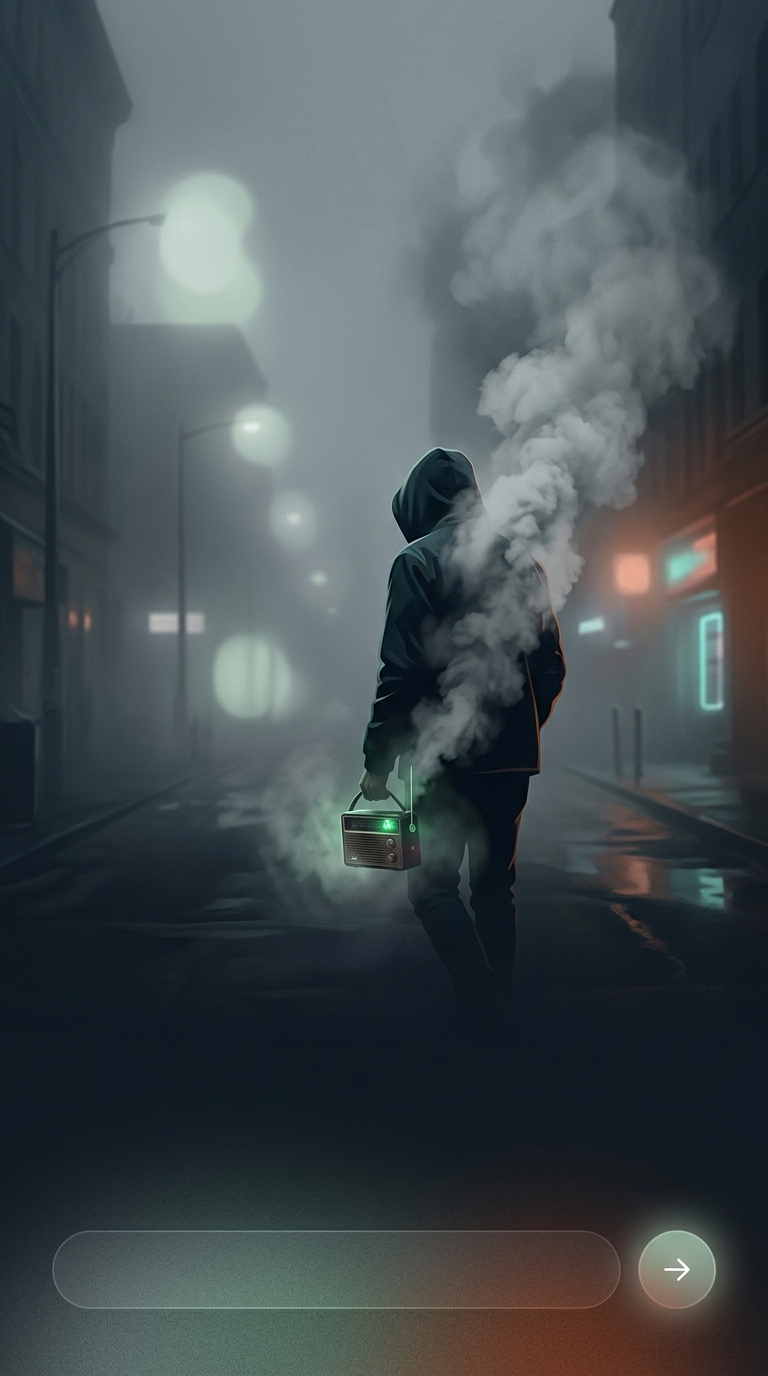
Fog softened that boundary. It obscured distant scenery, making the town feel continuous even when the game could only display a nearby slice of it. The mist also gave the developers room to manage what the console had to render at once.
Why the workaround felt frightening
The fog did more than hide missing detail: it changed how players navigated. A street could end in a blank wall of gray, leaving no way to tell whether something—or someone—was waiting ahead. That uncertainty made ordinary movement feel risky, while the limited visibility kept the player focused on the nearby sounds, shapes, and threats.
In other words, the game turned a hardware constraint into a design tool. The fog concealed the edge of what the PlayStation could show, and that same edge became the edge of the player’s knowledge. A solution to distant scenery popping into view became one of the series’ most recognizable sources of dread.