Why Resident Evil’s Herbs Feel Half Plausible
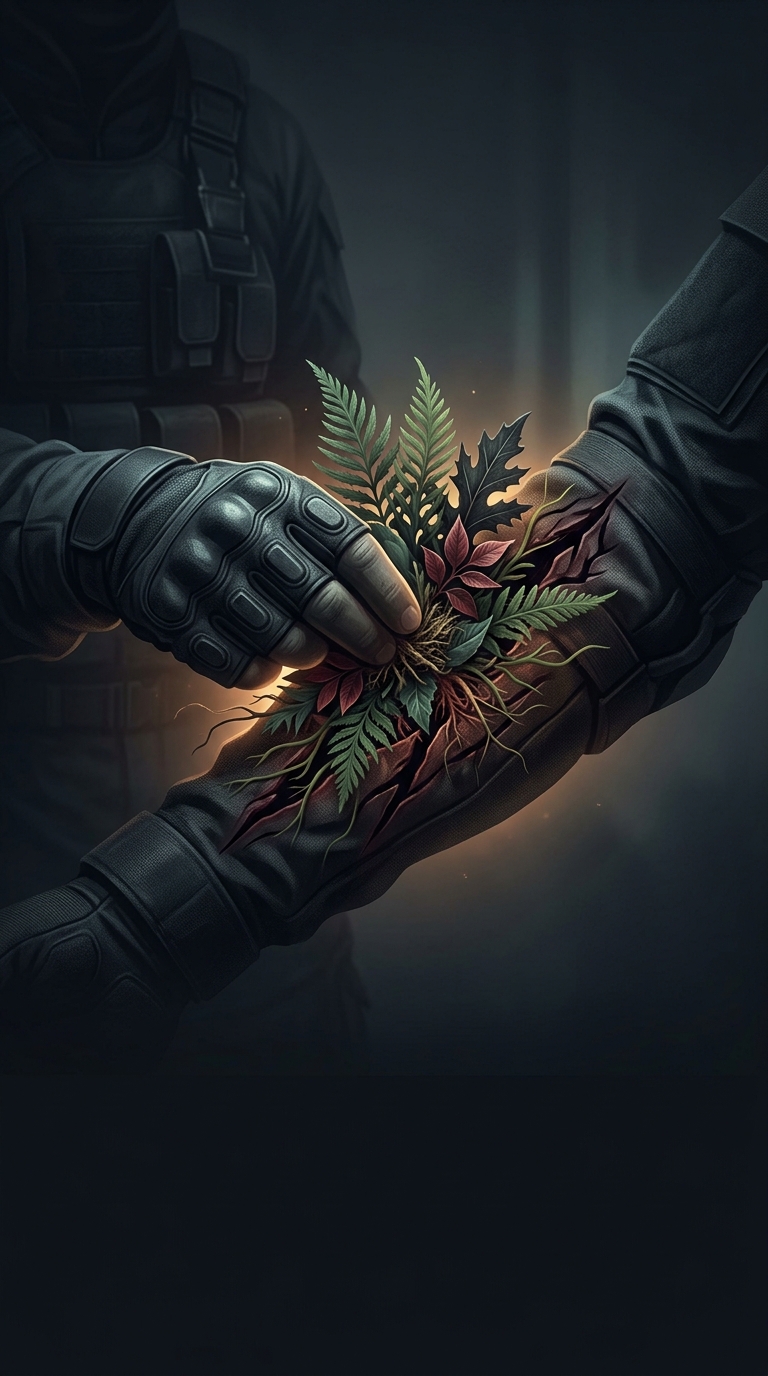
Resident Evil makes healing look like foraging: a wounded character reaches into a pocket, combines leaves, and gets back on their feet. The image borrows the familiar idea of medicinal plants—an echo of traditional herbal remedies associated with Japan’s mountainous regions—then pushes it into unmistakable video-game logic. A leaf can help with a bite; a carefully chosen mix can seem to undo far worse damage.
A Simple Recipe for a Complicated Fight
The herb system turns exploration into a small resource puzzle. Green herbs restore health, while red herbs strengthen their effect when mixed with green ones. Players must decide whether to use what they find now or carry it into a later, more dangerous encounter. That choice gives an ordinary object—foliage—a role in the game’s tension: a plant is both a scrap of the environment and a reserve of survival.
The rules are deliberately clearer than real medicine. In the game, a few leaves can reverse injuries that would be catastrophic outside fiction. That exaggeration lets players understand the system at a glance and keeps attention on managing danger, rather than on realistic treatment.
The Joke Is Part of the Design
There is a pleasing mismatch between the grim world and the tidy remedy. A zombie attack can leave a character badly wounded, yet the answer may be to pluck a plant and combine it with another. The herbs bridge a recognizable healing tradition and Resident Evil’s survival-horror absurdity: they make recovery feel grounded enough to accept, while their near-magical effectiveness reminds players that they are following game rules. Even in a world overrun by zombies, the most valuable thing in the room may be a potted plant.