Why a Bed Can Reset a Game’s Damage
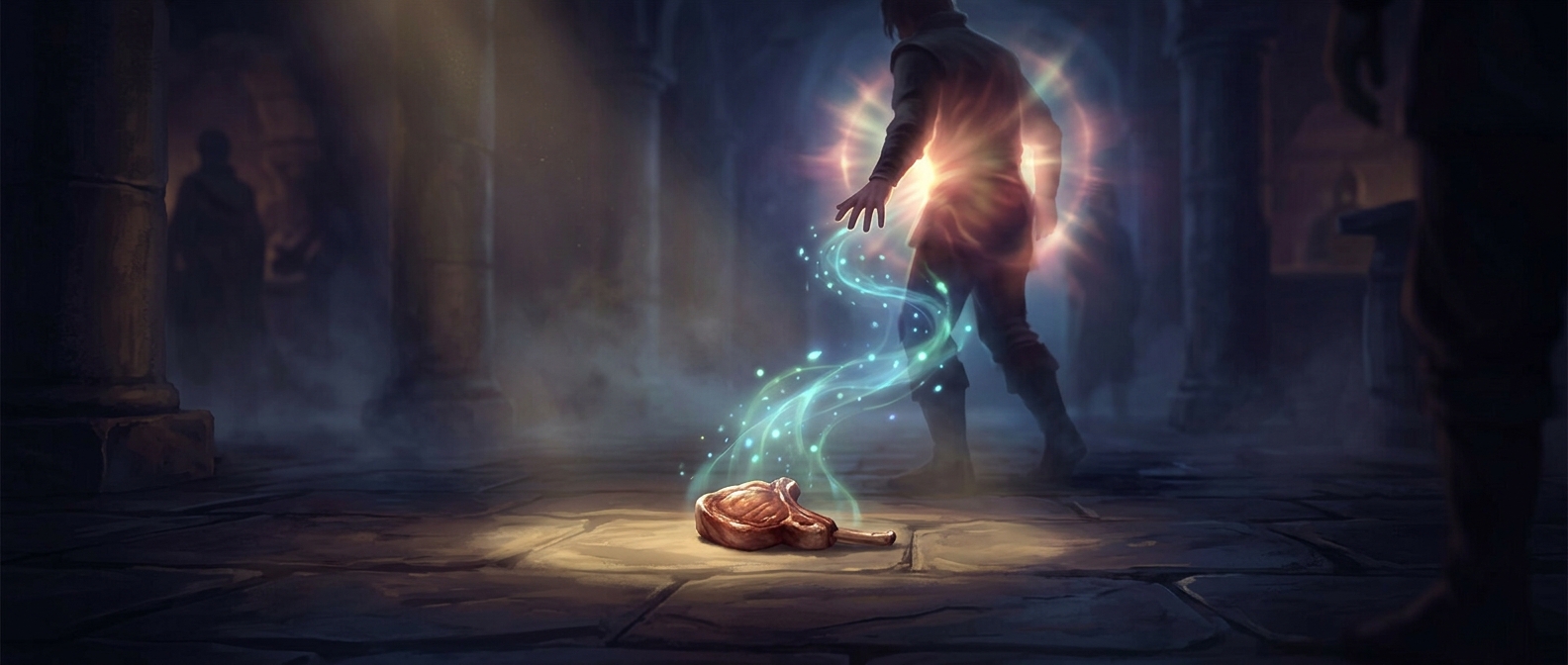
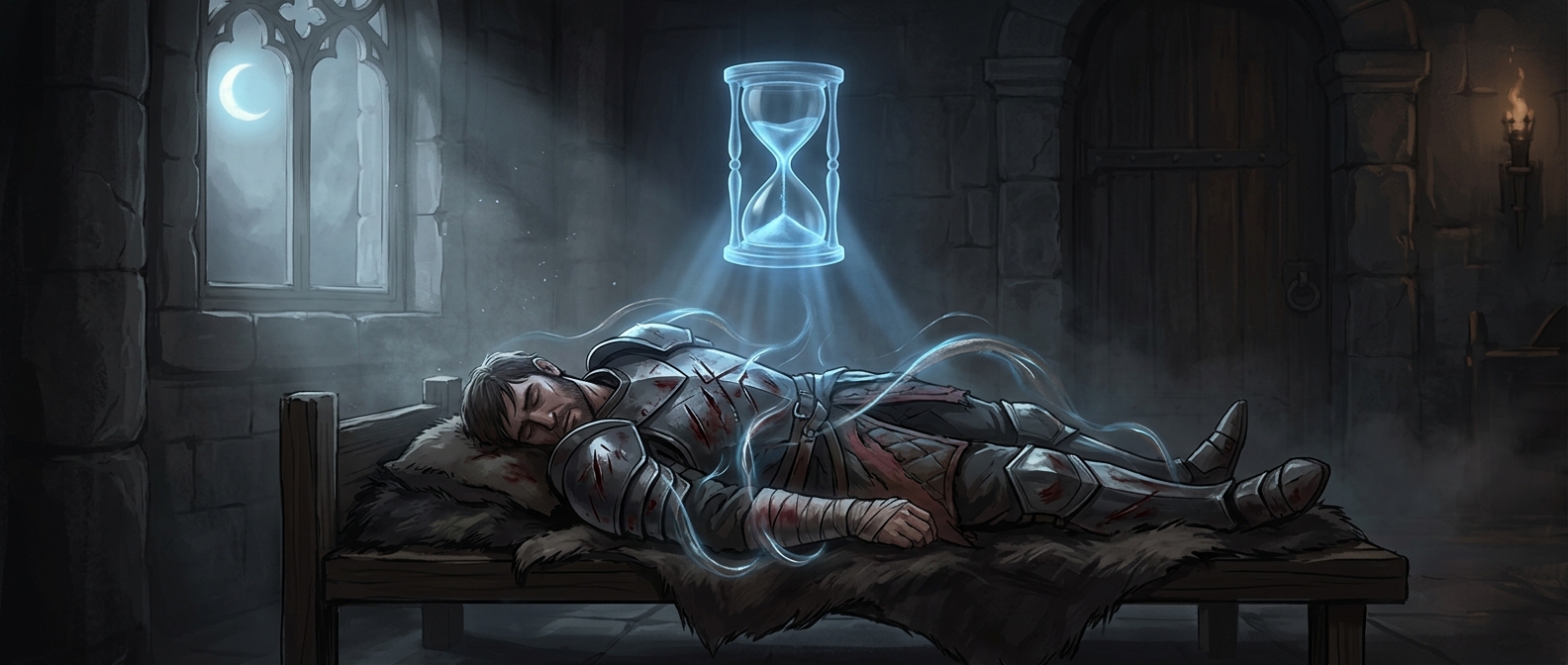
A game usually cannot simulate every cut, bruise, and internal injury separately. Instead, it compresses harm into a health bar or a small number of condition states. When a character rests, the game can restore that abstract measure all at once, turning sleep into a simple, readable recovery action rather than a medical procedure.
That shortcut keeps attention on the adventure. If every wound required bandages, surgery, and weeks of recovery, a fight could interrupt the story long after the enemies were gone. A dependable rest point lets players recover, reorganize, and continue without tracking a trail of minor injuries.
Rest Also Shapes the Pace
A tavern bed is more than scenery when it marks a safe pause. Players may have to reach one before they can recover, which gives a journey or dungeon a rhythm: push onward while resources run low, then decide whether it is safe to stop. Some games make resting a limited or risky choice; others use it as a near-total reset. Either way, recovery rules help set how much danger a player is expected to carry between encounters.
The tradeoff is realism for clarity. A single recovery action is easy to understand and gives players a satisfying reset, but it can make injuries feel temporary. The bed heals the character because the game treats damage as a gameplay resource, not a medical record.