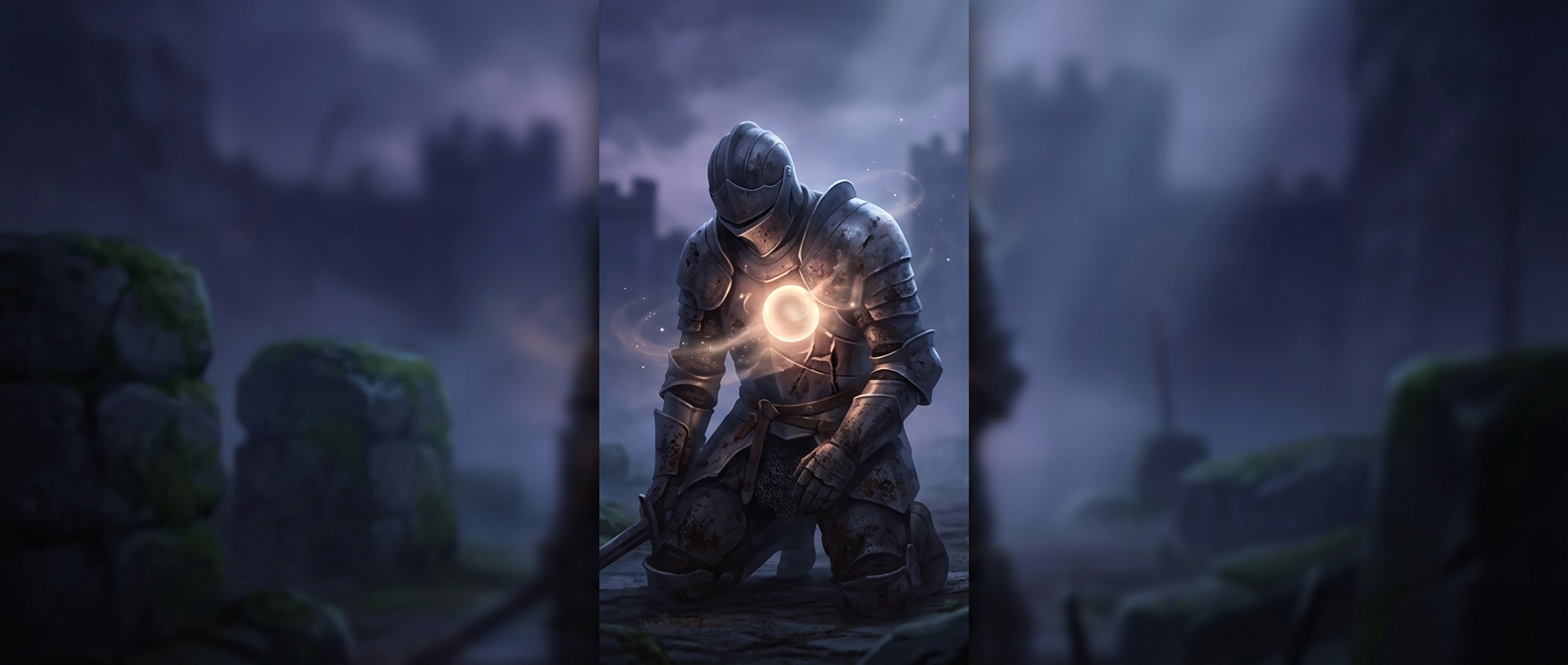
Healing Treats the Adventurer, Not the Equipment
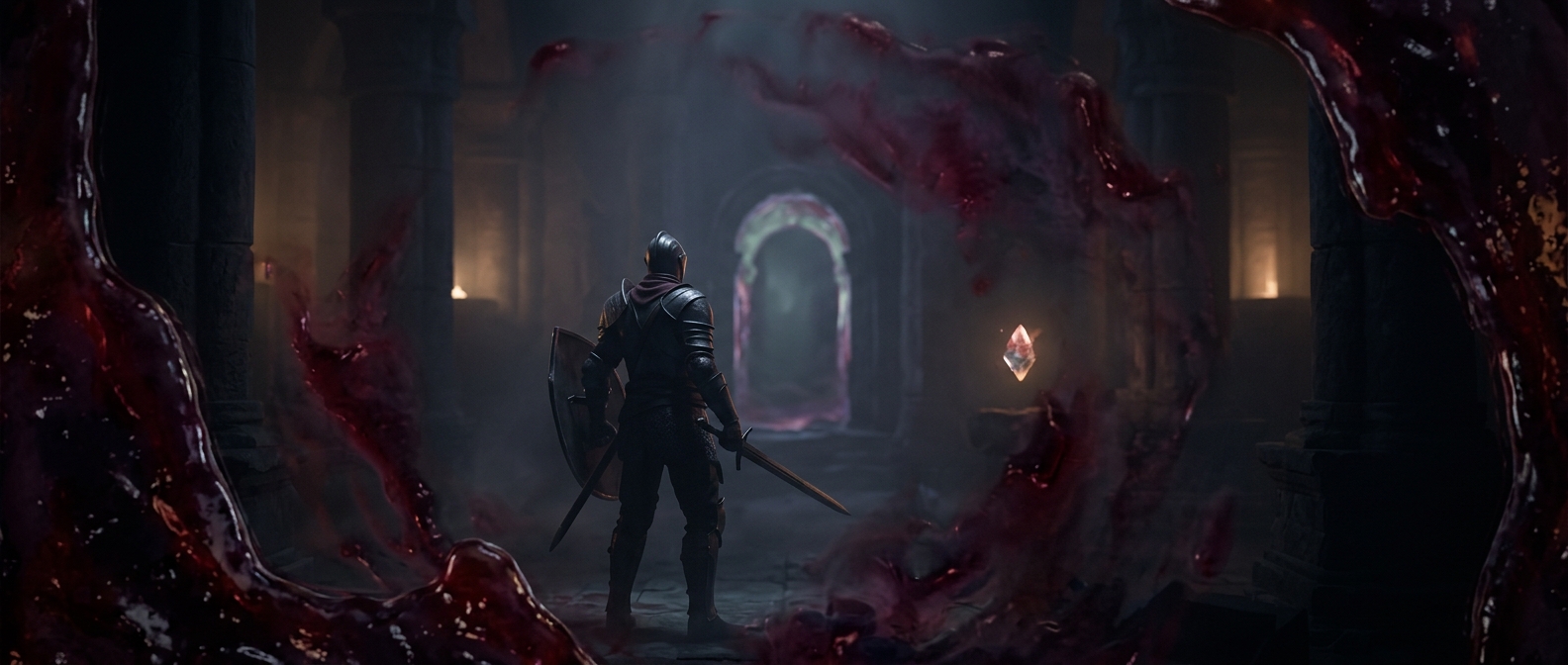
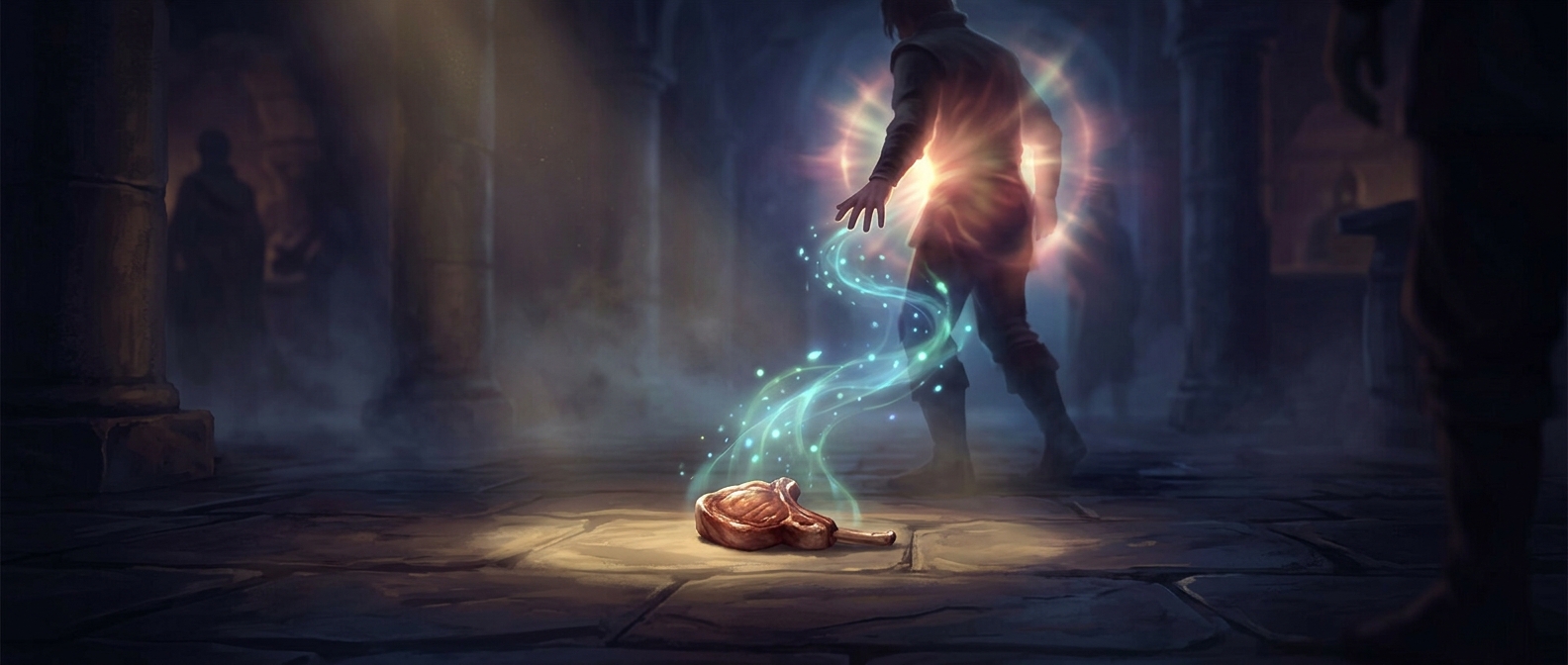
In many fantasy games, armor and the person inside it occupy separate rules categories. Armor may reduce incoming damage, but it is still an item; a healing spell restores the character’s health. The magic is therefore understood to reach the injured body beneath the armor, rather than repair every object around it.
That distinction keeps a simple action simple: cast a spell, recover health. If healing also had to account for buckles, dents, straps, and material damage, players would need to track a second kind of recovery every time a fight ended. Games that want damaged gear to matter can give it its own repair rules instead of making every healing spell do double duty.
A Useful Boundary Between Two Systems
The separation also makes the consequences of a battle easier to read. A character can be badly hurt while their armor remains intact—or emerge physically healed while their equipment still needs attention. Health measures the state of the adventurer; equipment rules measure the state of the gear.
So the spell’s “fine print” is really a design boundary: magic can mend the person without turning worn metal into part of their body. The armor stays armor, and the hero can get back on their feet.