Why a spike can be deadlier than artillery
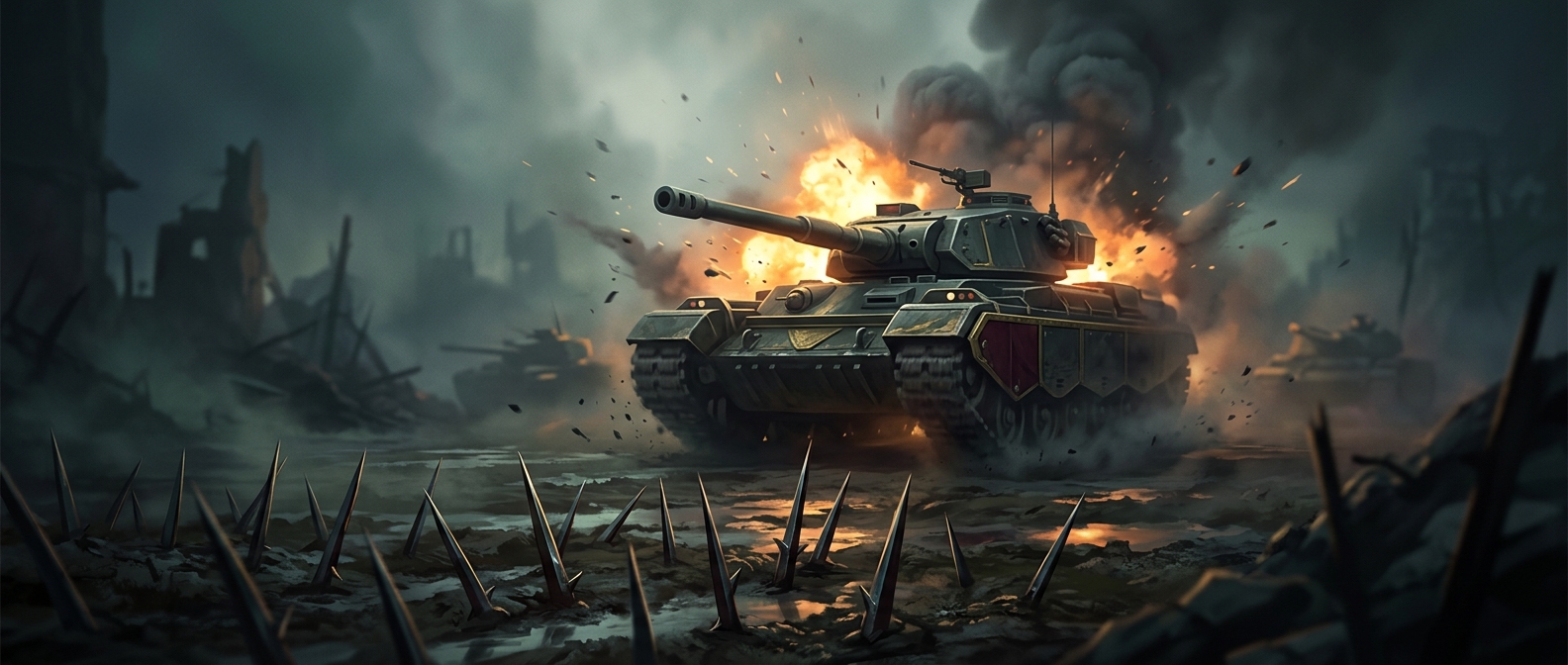
The contrast comes from two different damage rules. Artillery deals a large but survivable chunk of damage: a player who takes a direct hit loses half their health and can still retreat or recover. A floor spike is instead a binary hazard—touch it, and the character dies, regardless of how much health remains.
That changes how each threat is played. Artillery pressures the player to manage health and find cover; spikes demand precise movement. A brief misstep can matter more than standing in the open under a weapon that sounds vastly more powerful.
Different threats, different kinds of tension
A health bar makes damage gradual and visible. Players can judge whether they can endure another hit, and surviving a blast leaves room to respond. An instant-kill obstacle removes that margin. The challenge is not absorbing the danger but avoiding contact altogether.
This asymmetry can make a small environmental hazard feel more frightening than a battlefield weapon. The memorable lesson is practical: in this game, armor and remaining health may help against artillery, but they do nothing to soften one careless step onto a spike.