Why game heroes can heal in the middle of a fight
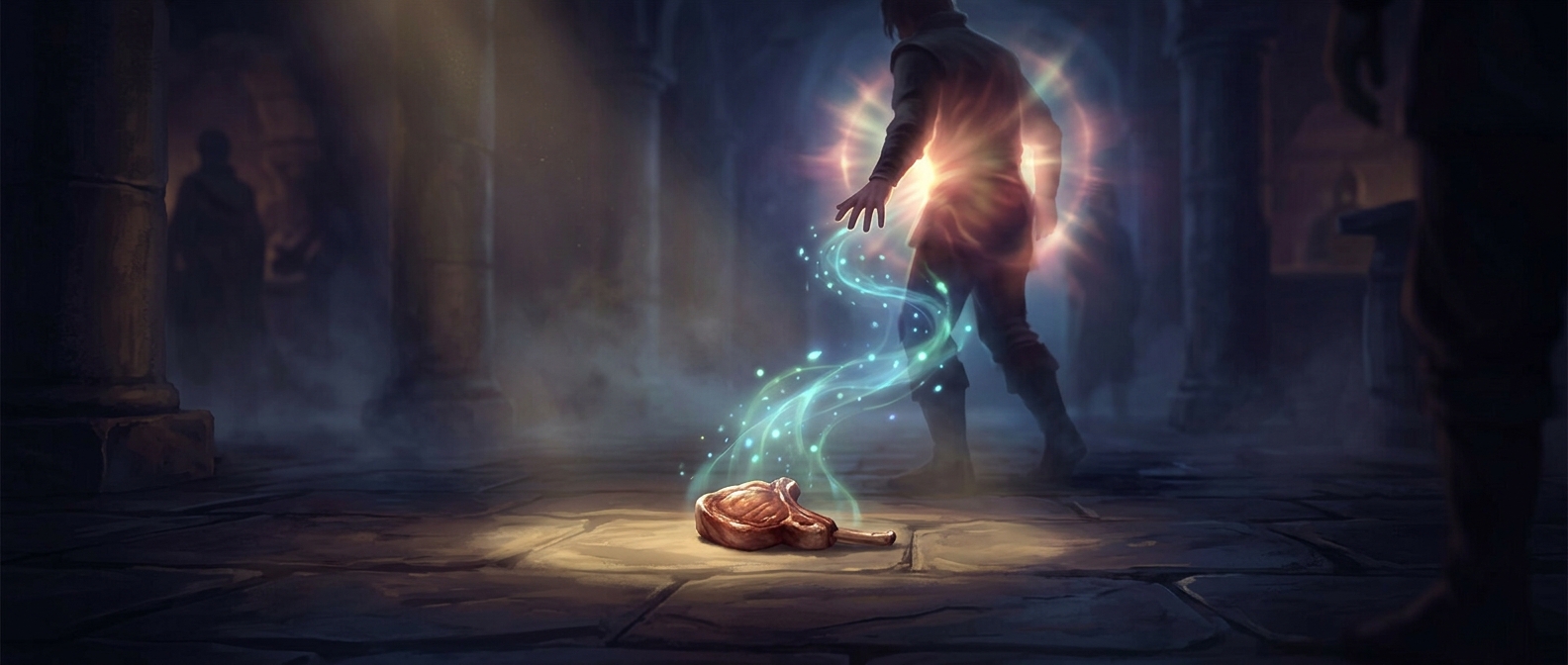
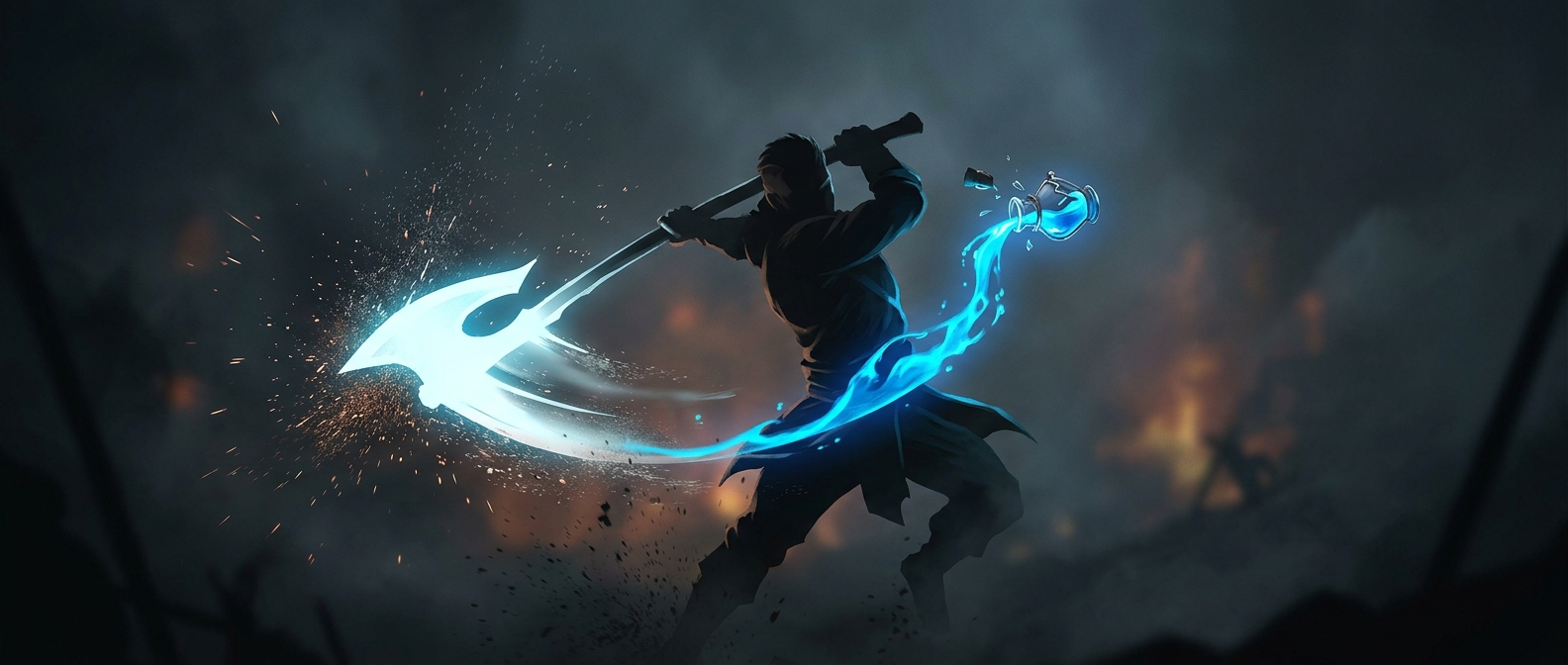
In many action games, using a healing item is not treated as a full pause in the character’s abilities. The game has to turn a simple command—“use potion”—into an animation that fits a fight already in motion. It may let the character keep guarding, moving, or attacking while the item-use animation plays, making the action look like one fluid feat rather than a sequence of separate tasks.
That smoothness is a design choice, not a realistic account of what the character’s hands and attention could manage. The animation communicates the item’s use; the game rules decide what the player is allowed to do at the same time.
Animation and rules solve different problems
A character’s actions can be represented by separate layers: one for the upper body, another for the legs, and others for effects such as a shield or weapon. Combining them lets a character move while reaching for an item. Designers can also shorten or simplify the animation so it does not interrupt the pace of combat.
But allowing healing without consequence can make danger feel toothless. Games therefore often attach a tradeoff: the character might move slowly, lower their guard, or remain vulnerable during the animation. The choice is about how much risk a player should face while recovering—not about whether the hero could literally drink and fend off an axe at once.
A tiny animation can shape the whole fight
When item use is quick and safe, players may heal whenever they need to. When it takes time or leaves them exposed, they have to create an opening first—by dodging, retreating, or waiting for an enemy to commit to an attack. The potion animation becomes part of the combat system: its timing can turn recovery into a tactical decision rather than a pause button in disguise.