The Rules Change When Control Does
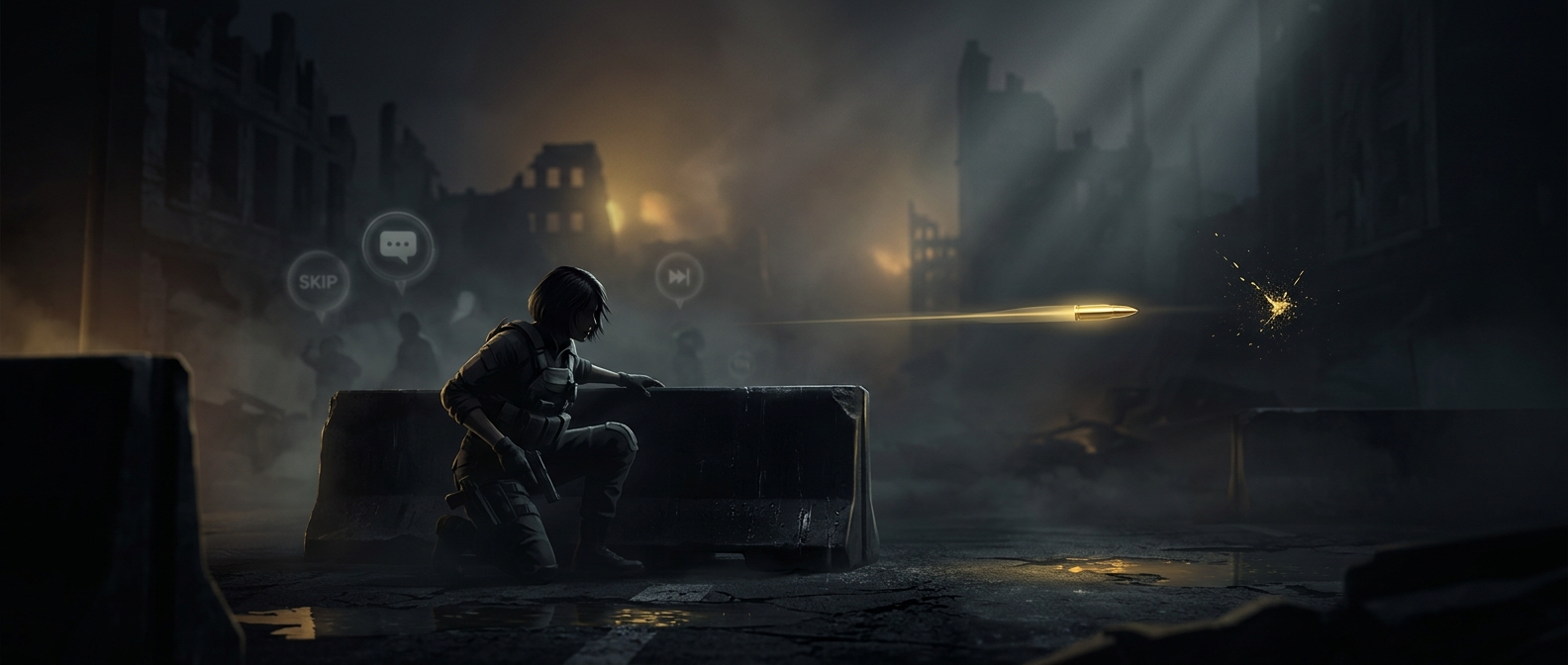
During gameplay, a character’s health bar is usually a practical buffer. It lets players make mistakes, take risks, and keep moving through a fight without every hit ending the run. A bullet’s damage is therefore tuned for the game’s rhythm: how many enemies appear, how often the player can find cover, and how much challenge feels fair.
A cutscene has a different job. The player is no longer steering through a repeatable challenge; the scene is delivering a specific beat in the story. If a character must be captured, betrayed, or killed, the game can make that outcome happen at the exact moment the scene requires.
Gameplay Measures Risk; Story Scenes Set Consequences
That contrast can make one pistol shot seem more powerful than the thousands of rounds the protagonist survived earlier. But the scene does not have to be using the same rules as combat. Gameplay damage is a simplified system for managing play, while a cutscene can treat a hit as a decisive story event. The character may also be caught off guard, exposed, or unable to act—conditions the player normally avoids through movement and cover.
The shift is a design tradeoff. A guaranteed outcome gives writers and directors control over timing and emotional impact, but it can make the protagonist feel strangely fragile if the game has taught players that bullets are little more than a health-bar tax. The shot lands hardest when the scene has prepared for the change, making the character’s helplessness feel like part of the story rather than a sudden change in physics.