Light Is the First Step in a Fight
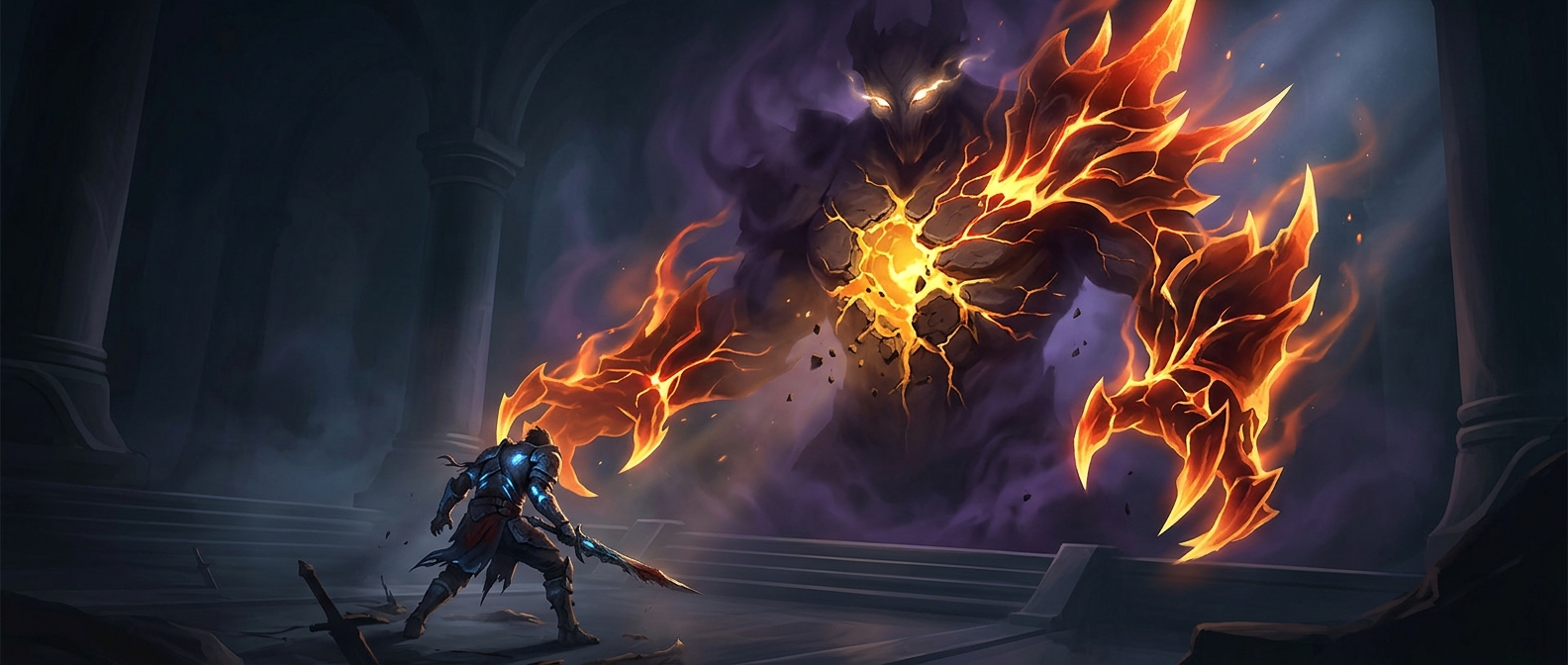
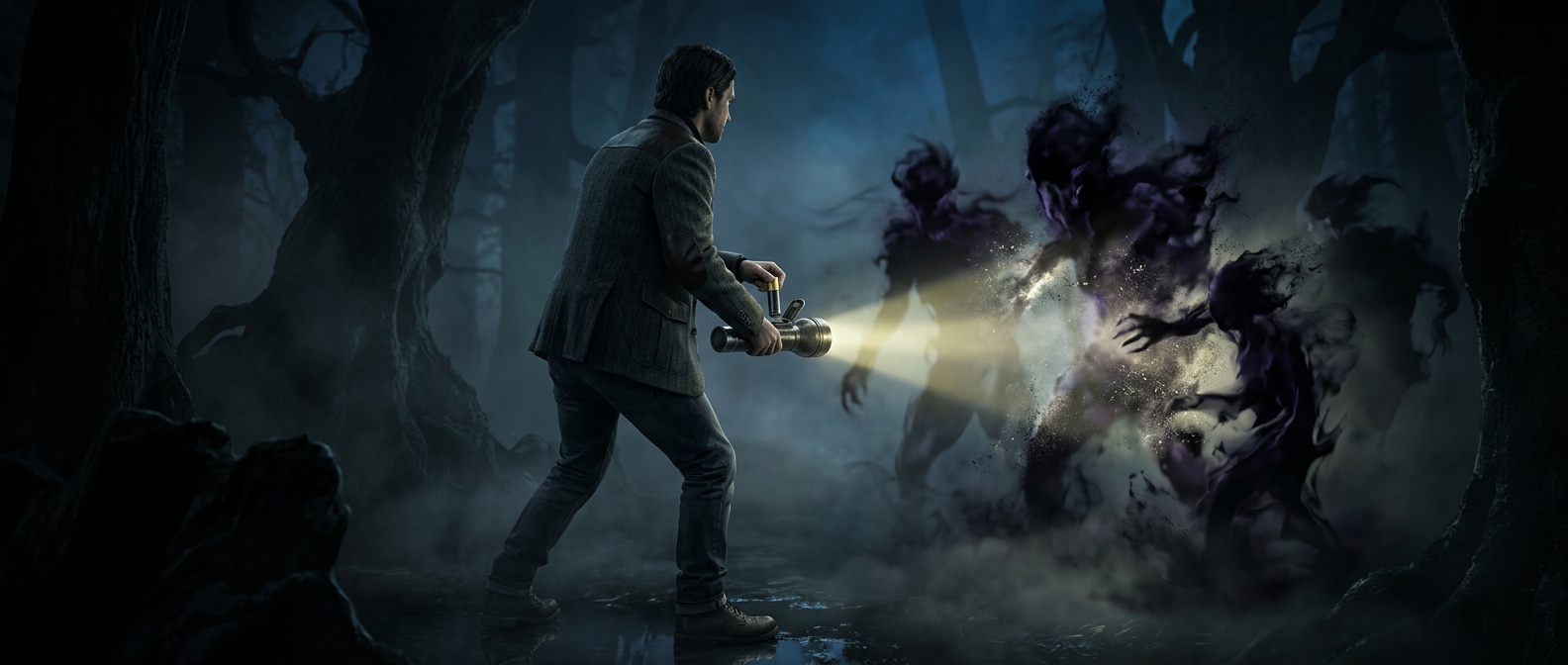
In Alan Wake, the darkness around certain enemies is more than poor visibility: it acts like armor. A flashlight beam strips that protective layer away, making the enemy vulnerable to ordinary attacks. The player therefore has to do two things in sequence—hold the light on a target, then use a weapon before the opening closes.
That turns aiming into a resource-management decision. Keeping the beam trained on a threatening lumberjack can make the fight safer, but it also drains the flashlight’s batteries. Letting the beam go sooner saves power, yet leaves the enemy protected and able to press the attack.
Why Batteries Change the Rhythm
The rapid battery drain makes light feel like a limited tool rather than a permanent spotlight. Players must decide when a target deserves a sustained beam and when to conserve power, reposition, or deal with another threat first. The tension comes from managing two kinds of exposure at once: the enemy needs to be exposed to light, while Alan risks being exposed to the enemy.
Swapping AA batteries is the practical reset in that loop. It gives the player a way to restore the flashlight, but the need to pause and replace them keeps every burst of light costly. A simple household object becomes part of the combat system: the flashlight opens the enemy’s defenses, and the batteries determine how long that opening can last.