When dialogue outruns the guards
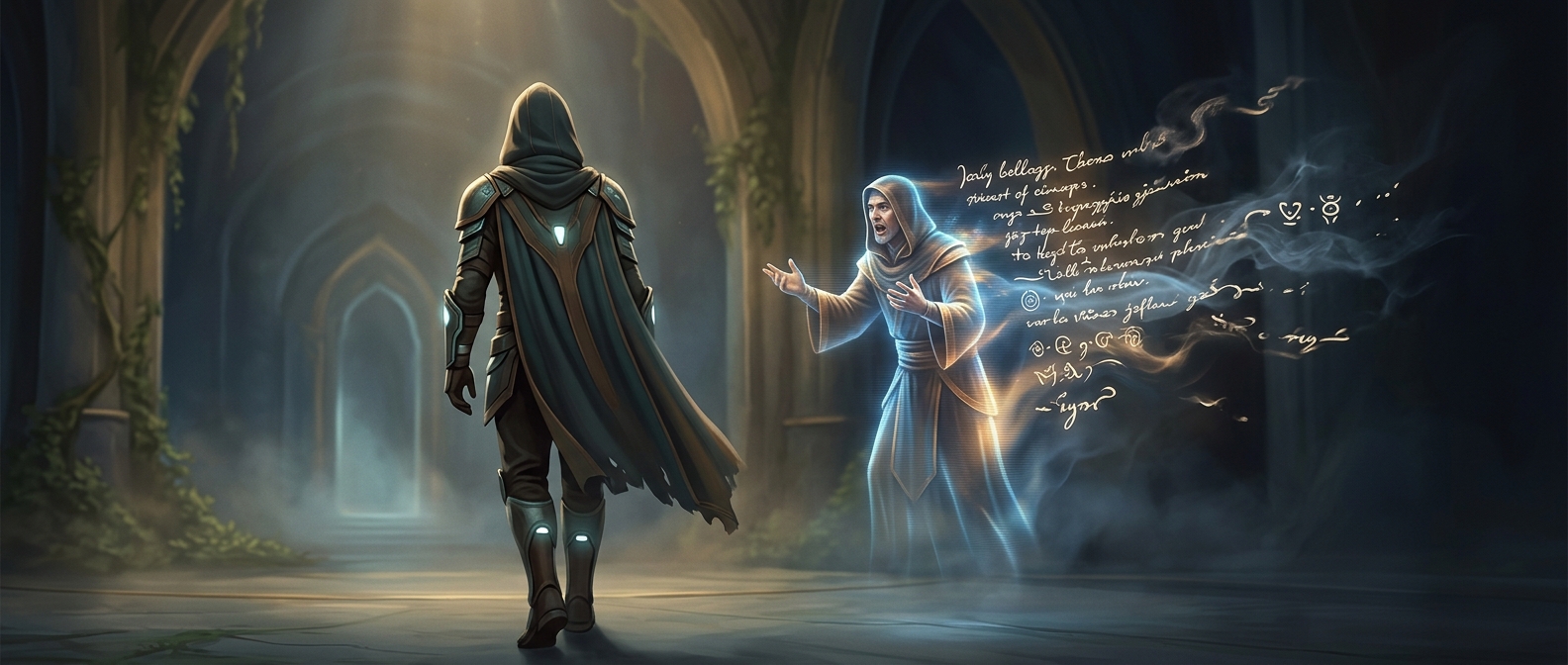
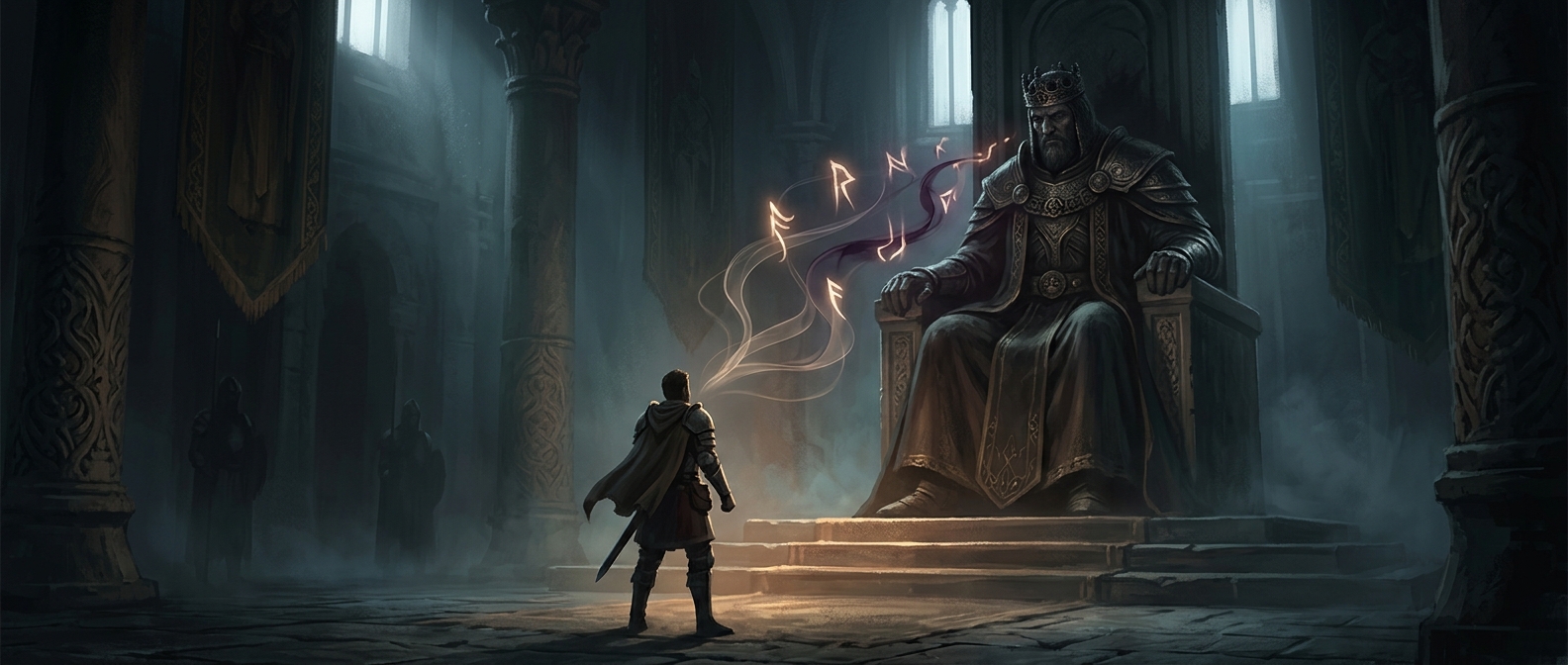
A game can offer a sharp insult because its dialogue system and its security system may be built to do different jobs. The dialogue gives the player a way to express a character’s attitude or test a conversation. Guards, meanwhile, may react only to specific events the game has been programmed to recognize—such as drawing a weapon, trespassing, or choosing a particular dialogue branch.
That means a monarch can hear an insult without the game treating it as an offense that changes the scene. The line may be written as flavor: it makes the exchange lively, but it does not set off a chain of consequences.
Consequences have to be designed
Making the insult matter takes more than adding a witty line. The game must decide whether the king interrupts, whether guards move, whether the player can fight or flee, and how those choices affect the story afterward. If later scenes assume the audience ended peacefully, a sudden arrest can break the narrative—or force the developers to create extra branches.
So designers often attach consequences to selected choices rather than simulate every character’s response to every remark. The result can feel absurdly permissive, but it also keeps a scene moving and lets players experiment with dialogue without accidentally derailing the plot.
The revealing detail is the boundary: a game may let you say something outrageous while reserving its real consequences for actions its systems are built to track.