Why a Game Hero May Have Nothing to Say
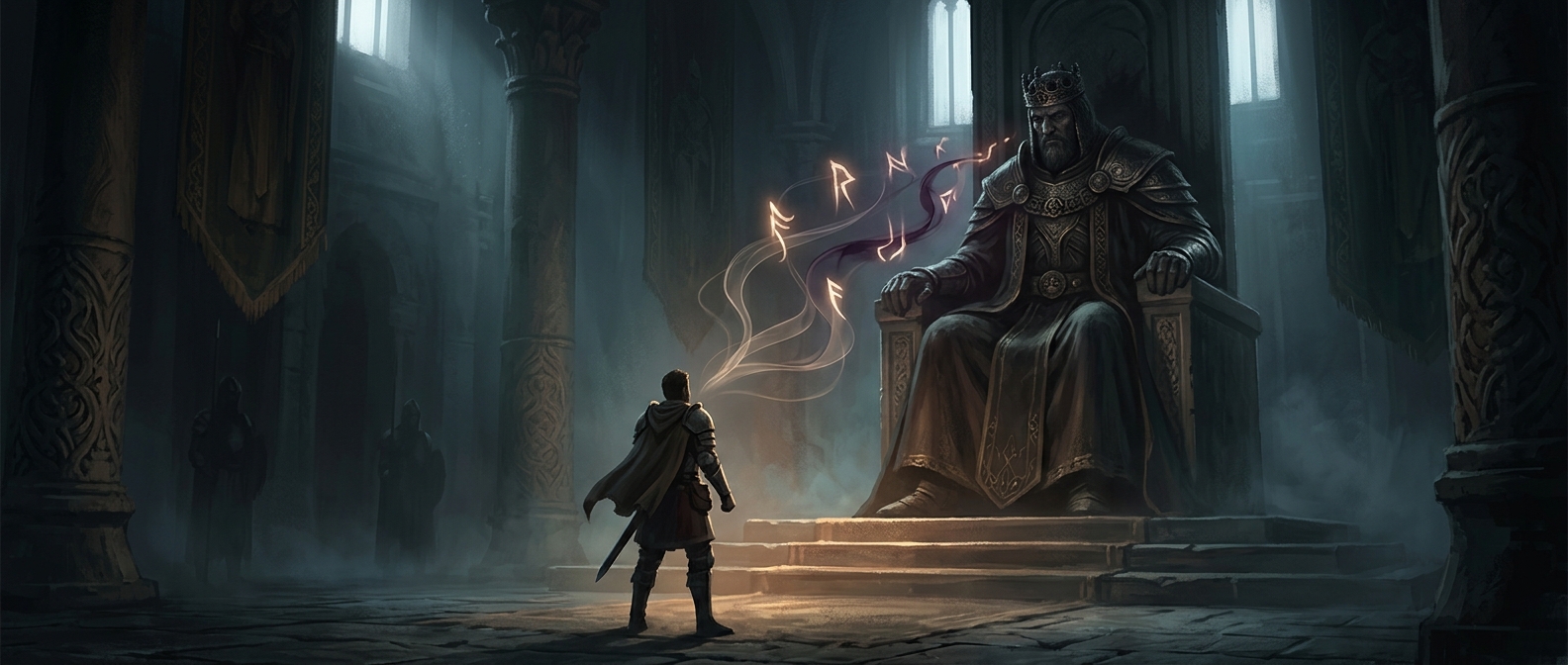
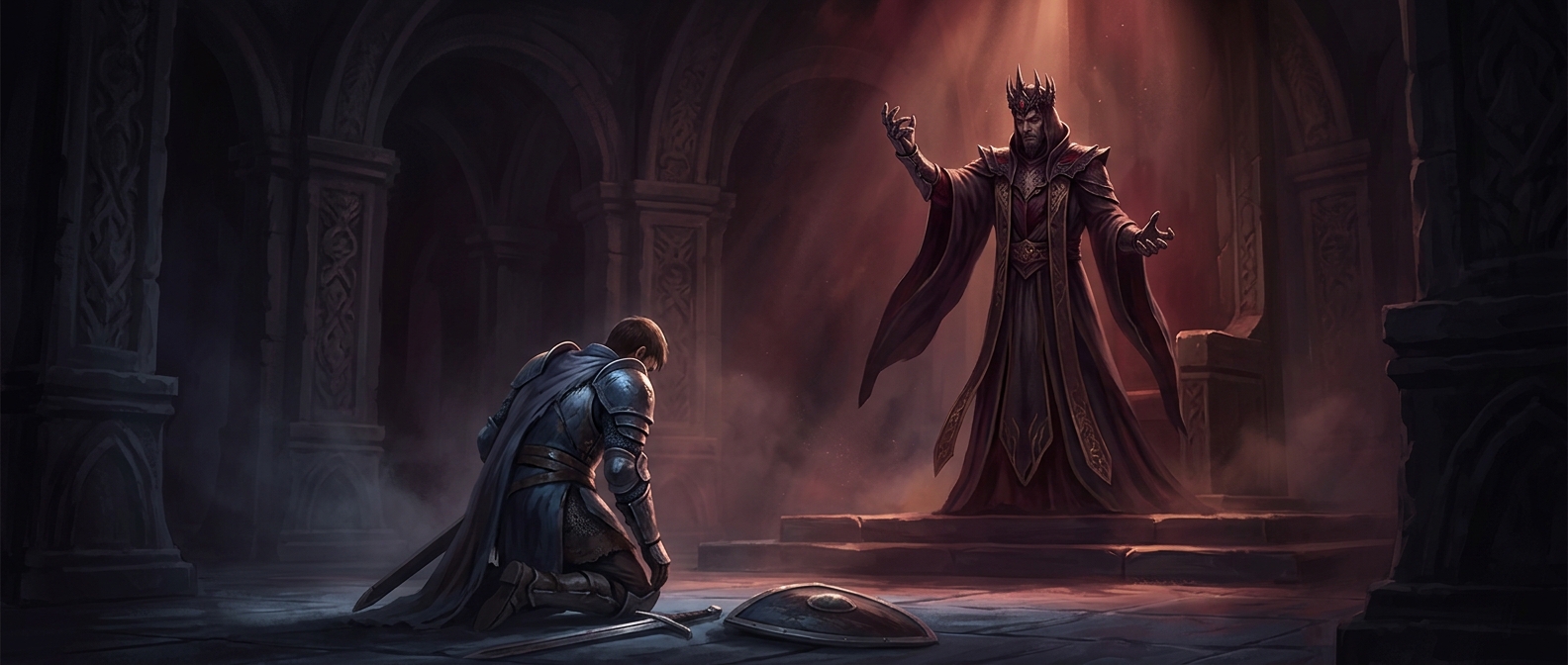
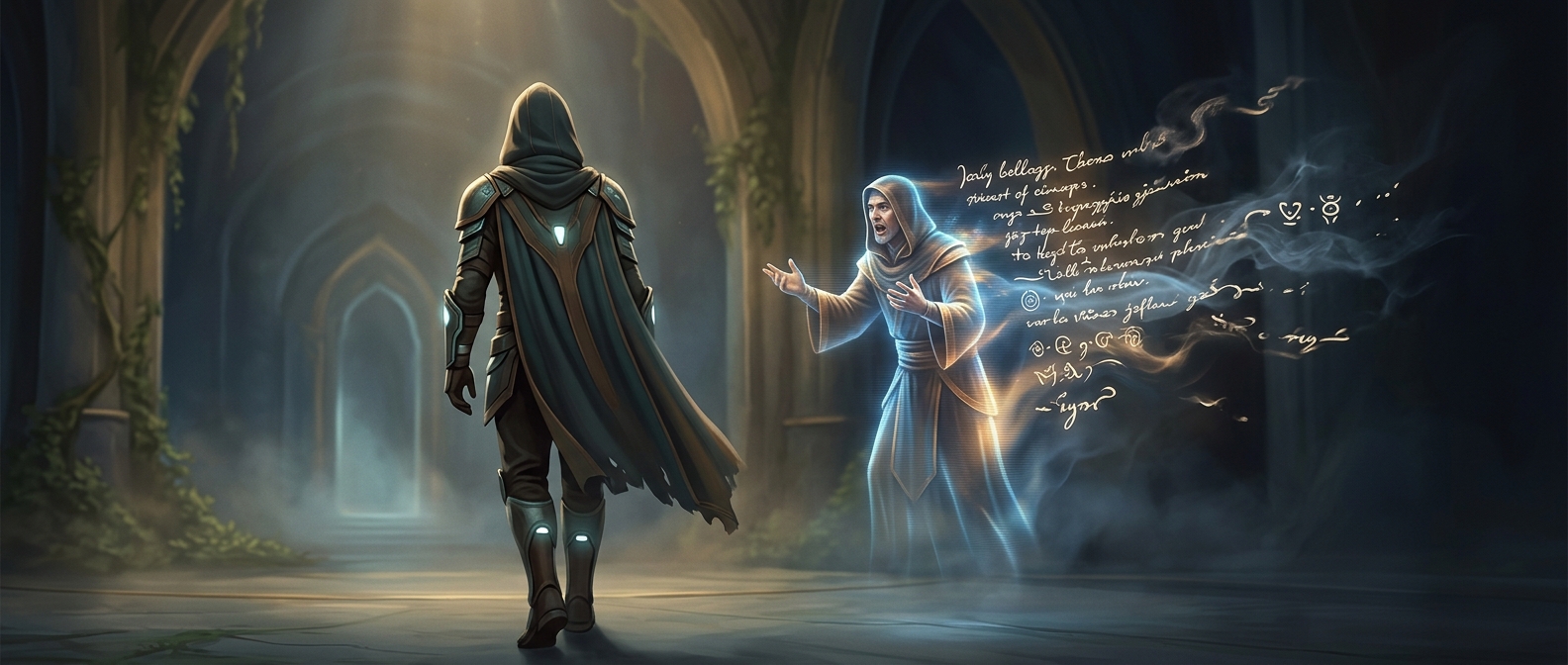
A story can give a companion a painful confession while leaving the player character wordless. That gap often reflects a design problem: the scene needs the ally to reveal something important, but the hero’s response is also supposed to feel like the player’s response. Writing a specific line risks deciding what the player thinks or feels for them.
Silence keeps the moment open. Players can read it as shock, compassion, discomfort, or simply taking in the information. A voiced reaction would narrow those possibilities—and might clash with how a player imagines their character.
The Cost of Keeping the Player in Control
This choice is especially common in games where the hero is meant to be a flexible stand-in. If the character speaks, the line may establish a personality or relationship the player has not chosen. Adding several possible responses can help, but each option takes writing, recording, animation, and testing. The more scenes that branch, the harder it becomes to keep later conversations consistent.
Silence solves that production and role-playing problem, but it has an emotional cost. In a film, a pause can be made expressive with a close-up, a change in posture, or a cut to another character. In a game, a still avatar may look less like someone listening and more like someone absent. The ally’s vulnerability then has no visible answer.
When a Pause Becomes Part of the Scene
A silent hero can still feel present if the game gives the player a way to respond: a dialogue choice, a small gesture, or control over when the conversation continues. Without that, the scene asks the player to supply an emotion the character never shows.
That tension is why these moments can be so memorable. The player hears a confession, then has to decide whether the blank space is their own reaction—or a missing piece of the story.