The world is built around the player’s return
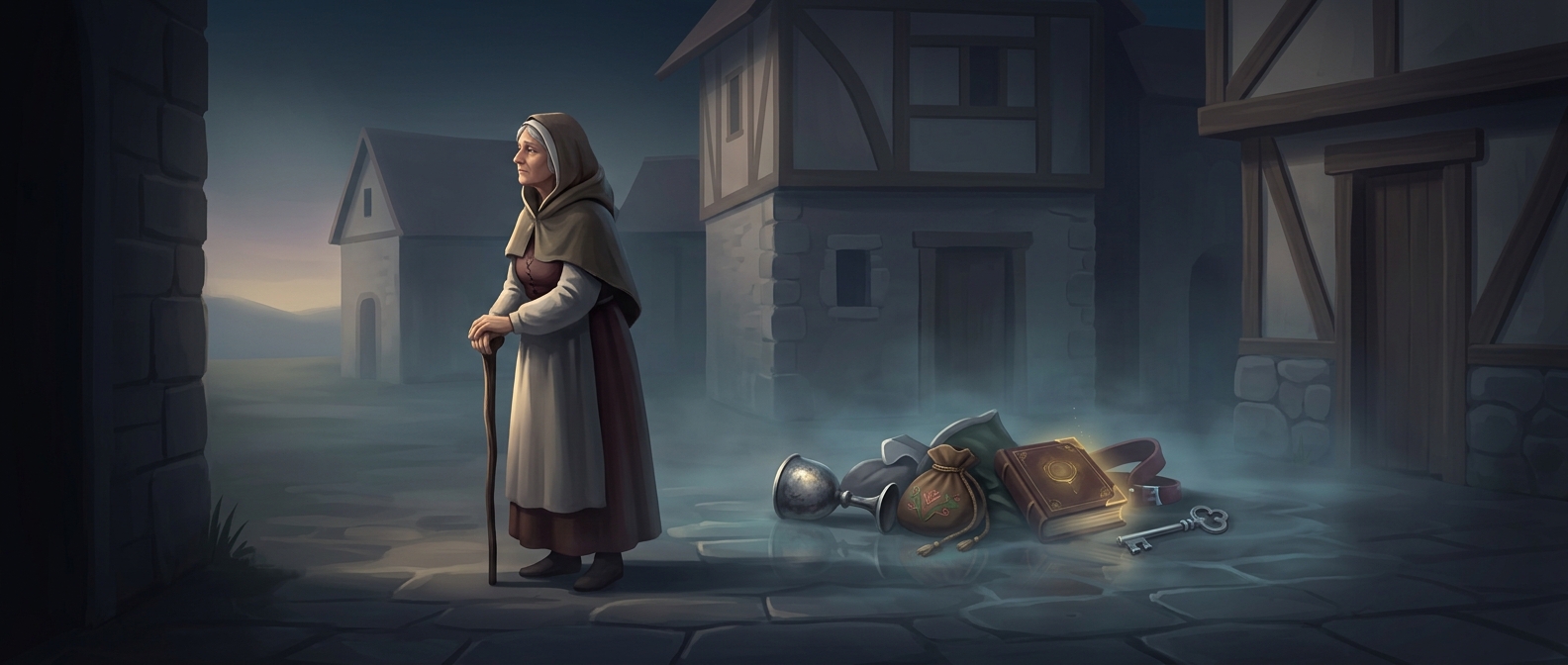
A quest giver who remains in place is often less a person following a full daily schedule than a dependable point in the game’s interface. The player can leave for a long detour, get distracted by other tasks, and still find the character where the quest began. That consistency makes the objective easier to remember and prevents a routine errand from turning into a search for someone who has wandered off.
A character’s routine is a design choice
Games can make non-player characters follow schedules, travel between locations, or react to the passage of time. Those behaviors take development work and can create complications: a player might arrive when a character is elsewhere, miss a conversation, or struggle to find the next step. For a minor delivery quest, a stationary giver may be a better tradeoff than simulating an entire life outside the player’s view.
Some games do change what characters say or do as quests progress, while keeping them physically easy to locate. That separates story state—what has happened in the quest—from everyday movement. The character can acknowledge the parcel when it arrives without needing to walk through a believable week of errands.
The result is a world that feels busy where the player is looking, but often stays conveniently still at its edges. A quest giver’s patience is part of the navigation system: the parcel can wait, and so can the person who asked for it.