Why a pause can count as healing
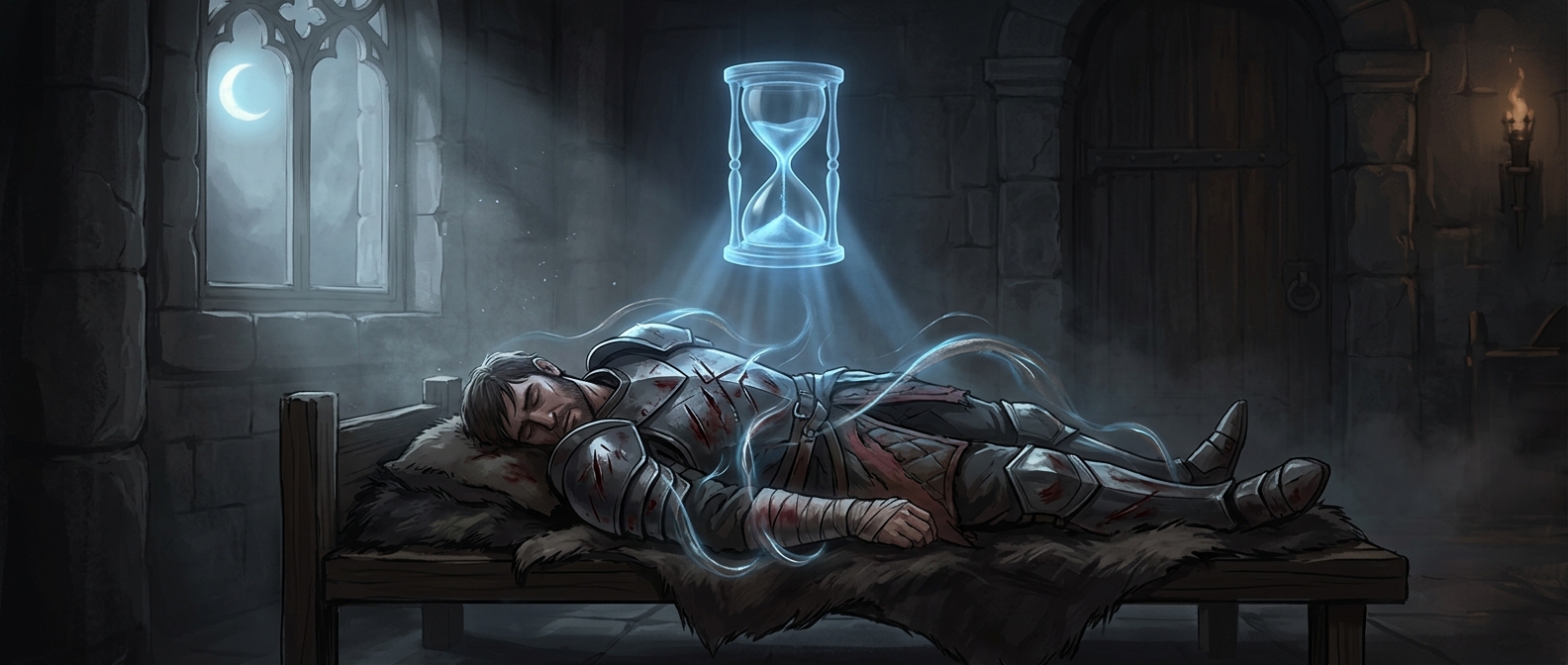
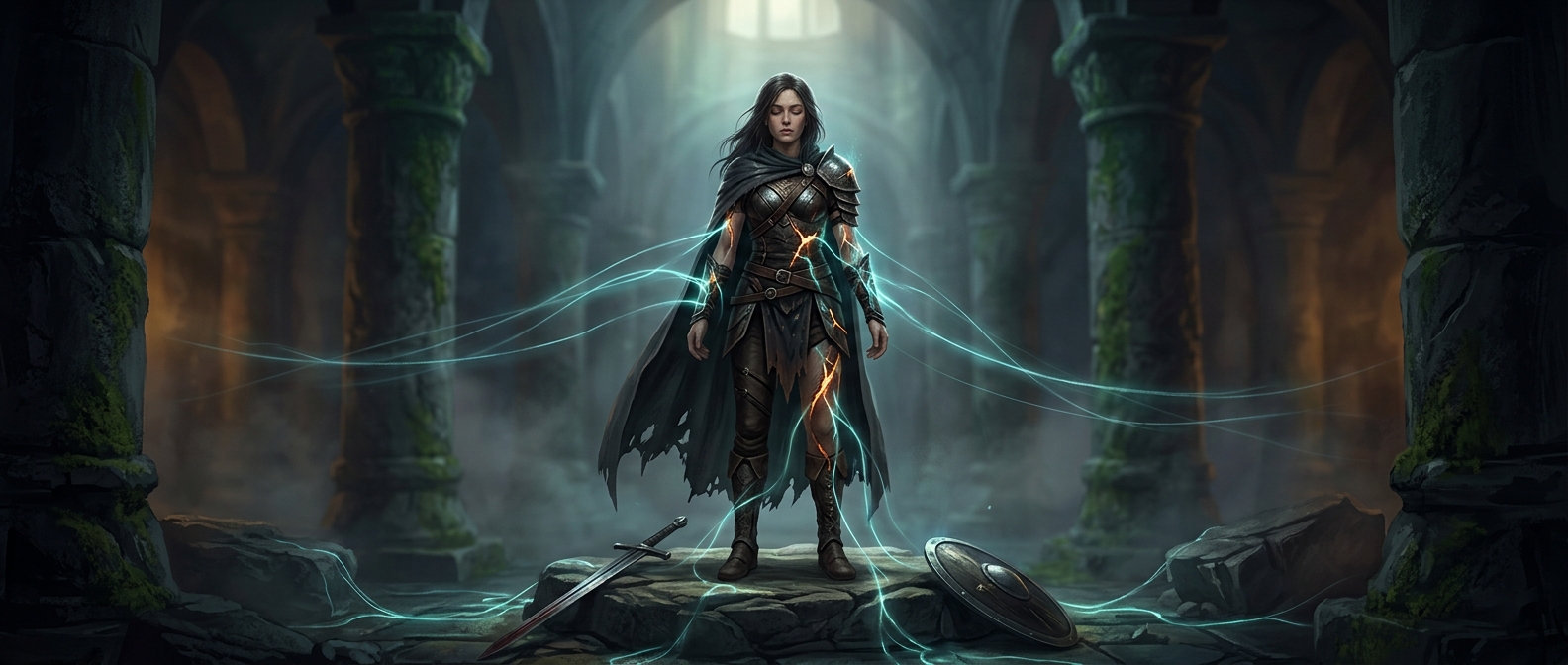
In many action games, health is less a record of damaged tissue than a measure of how close the player is to losing. A hit subtracts from that measure; time without another hit can restore it. The game is modeling danger in a way that is easy to read and control, not simulating blood loss, broken bones, or medical treatment.
That abstraction solves a pacing problem. If every injury permanently reduced a player’s ability to survive, a few early mistakes could make the rest of a long level punishing or impossible. Regeneration gives players a chance to recover from a bad exchange, while still making incoming fire matter: they must first find a safe moment in which not to be hit.
Cover becomes part of the health system
When recovery begins only after a stretch without damage, a wall or corner does more than block bullets. It creates the quiet interval the game needs. The player learns a rhythm: move into danger, take a risk, retreat, then decide whether to re-enter or wait longer. The pause is itself a tactical action, and enemies or exposed positions can make it costly.
Designers can tune that rhythm through how long recovery takes, how much health returns, and whether a single hit interrupts it. Fast recovery encourages bold advances; slower or easily interrupted recovery makes each retreat more precarious. These rules also reduce the need for players to hunt for medical supplies after every encounter.
A deliberate tradeoff, not a medical model
The benefit is clarity: players can quickly understand when they are vulnerable and what might help. The cost is that injury loses some of its lasting consequence. A character may look battered while the underlying system treats the damage as temporary pressure. That gap is useful to game design because it turns survival into a repeatable combat loop—but it is precisely why the mechanic should not be mistaken for how bodies recover.