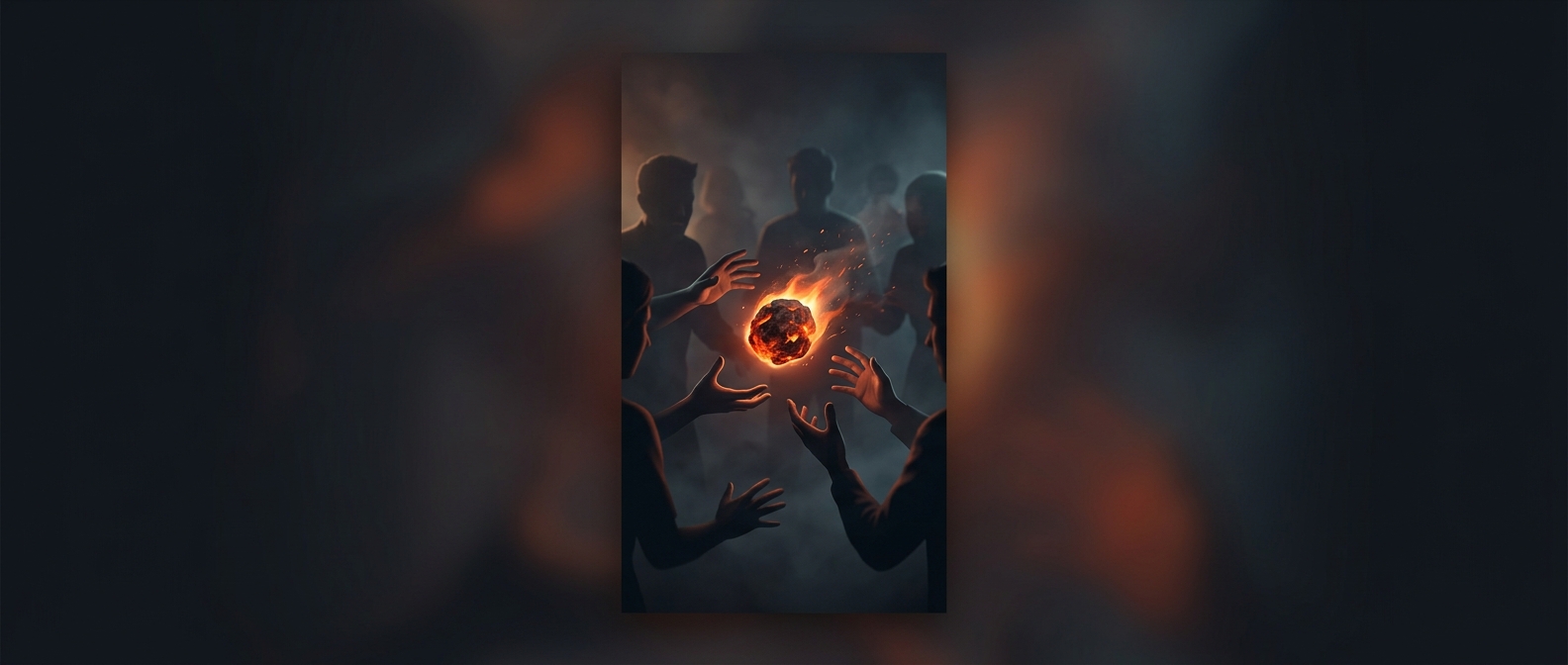
When the “potato” could actually burn
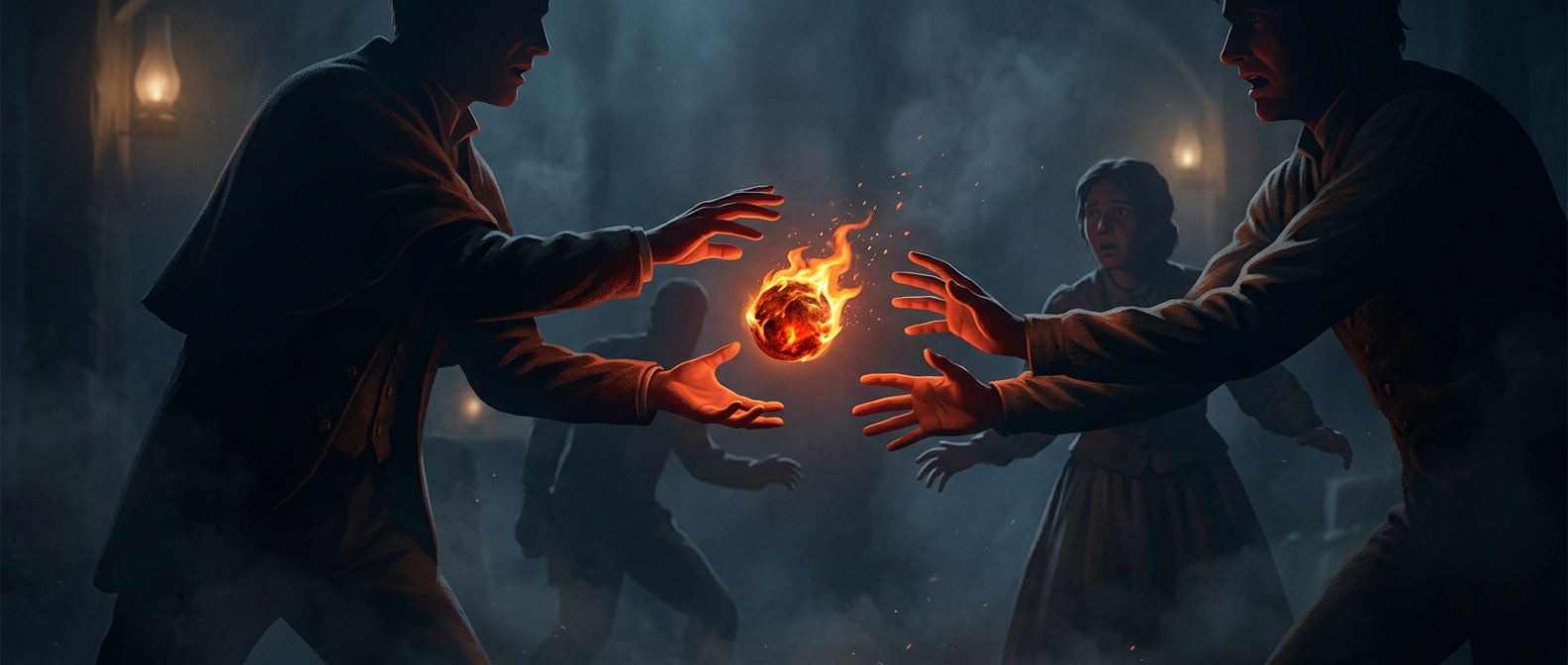
The game’s tension comes from having to pass an object before it becomes your problem. Using something hot made that pressure physical: each player had to decide how quickly to hand it on while keeping hold of it long enough to pass it safely. A lit match added a small, exposed flame to the exchange, turning a moment of hesitation into a real risk to the fingers.
A sharper version of the same game
That risk changed the feel of play. With an ordinary object, the suspense is mostly social: players anticipate who will be left holding it. Heat made the consequence immediate, and likely encouraged faster, more cautious passes. It also made the game less forgiving: a clumsy handoff could hurt someone, not just make them lose.
The contrast is what makes these versions memorable. “Hot potato” could make the metaphor literal—but the added danger came with a cost, transforming a simple test of timing into a game that required care as well as speed.