Why Red Rover put a schoolyard game on the chopping block
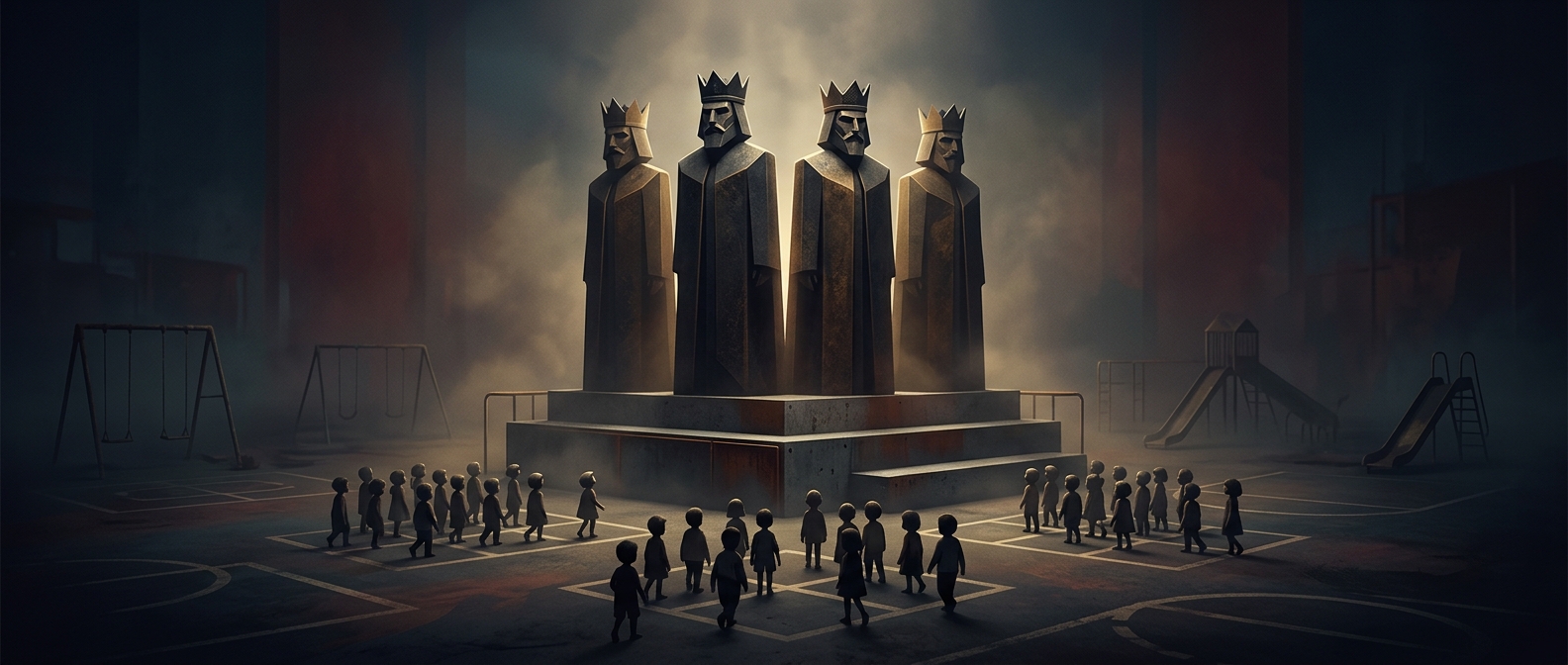
Red Rover turned a line of children into both a barrier and a target. Two teams faced each other, holding hands; one team called a player over, and that child sprinted toward the opposing line, trying to break through clasped arms. If the runner got through, the line could split. If not, the line had to absorb the impact.
The collision was built into the rules
That made the danger more than an occasional mishap. A runner struck linked arms at speed, while the children in the line had to brace against the force. Hands could be pulled apart, and children could stumble into one another or fall to the ground. The game’s central challenge—breaking the line—was also the moment when bodies were most likely to collide.
Why schools stopped allowing it
Schools responsible for supervising recess had to weigh a game’s appeal against the chance of an injury they could see coming. Red Rover offered little room to reduce that risk without changing the rules: weaken the line, and it becomes easier to break; keep it firm, and the impact remains. Banning the game removed that predictable collision from the playground, even if it meant losing a familiar team challenge.
The memorable part of Red Rover was the line holding together. That same feature made the game exciting—and made a hard sprint toward it a difficult risk for a school to justify.