Why the Hill Turns a Crowd Into a Contest
In king of the hill, the mound is more than a landmark: it is the game’s only prize. Reaching the top gives one player a temporary advantage, while everyone else has the same simple goal—take that spot. Because the objective is shared and visible, the rules need little explanation and the action can begin as soon as someone climbs up.
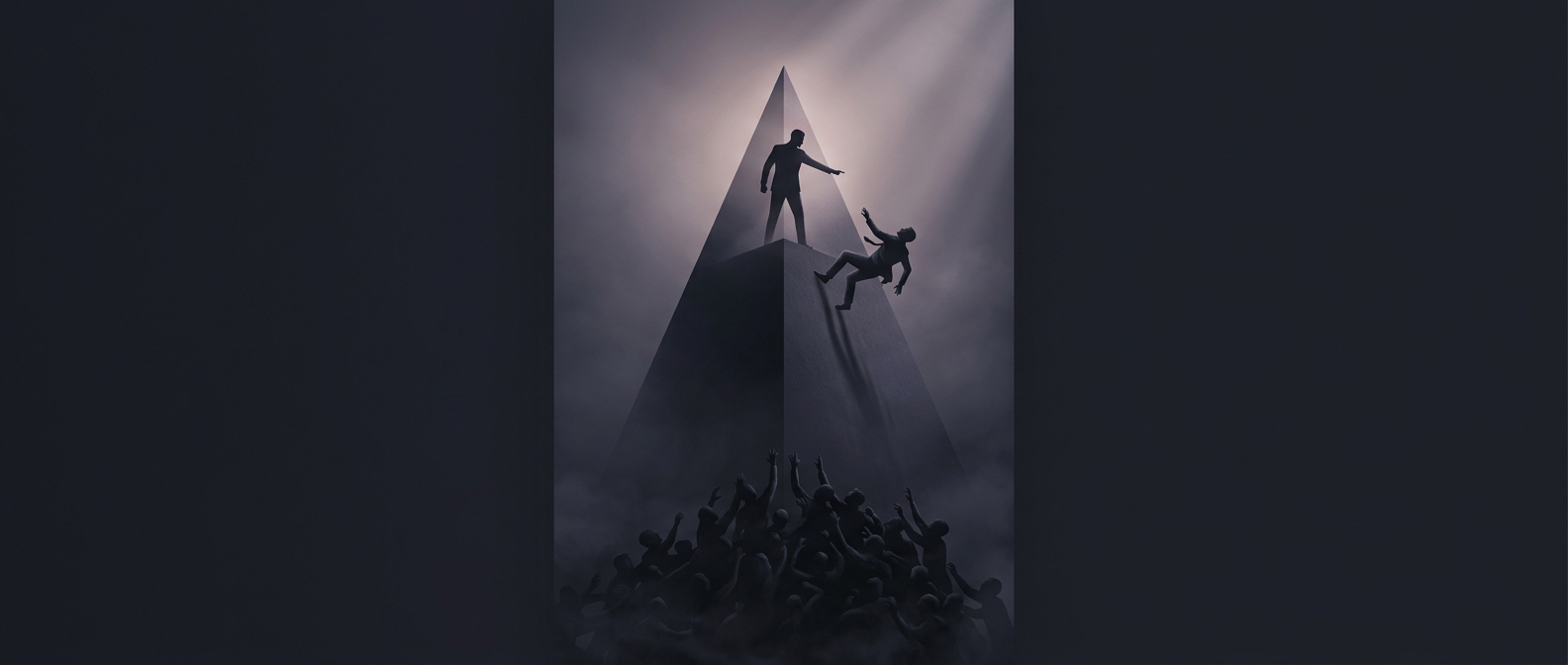
The contest runs on a tight loop. A player climbs, others push or pull them off, and whoever gains the top becomes the next target. There is no separate score to track and no route to memorize. Holding the position matters only while someone is trying to take it. That keeps the advantage unstable: the leader must defend, while challengers can cooperate briefly to dislodge them before competing for the space themselves.
A Simple Goal, Shaped by the Terrain
The mound creates the game’s main tactical problem. A narrow crest leaves little room to stand; a broad slope offers more ways to approach. The shape of the ground changes how difficult it is to hold the top, even though the objective stays the same. In that sense, the terrain supplies the game’s layout without a designer drawing a map.
The pushing is also what makes the contest physical, so the setting and ground matter. A steep, hard, or crowded slope can turn a playful scramble into a risky one; a safe version needs room to move and boundaries on what counts as acceptable contact. The memorable tension comes from the imbalance built into the objective: one player occupies the prize, but everyone else can challenge that claim.