Why a Tetherball Pole Is Set at Ten Feet
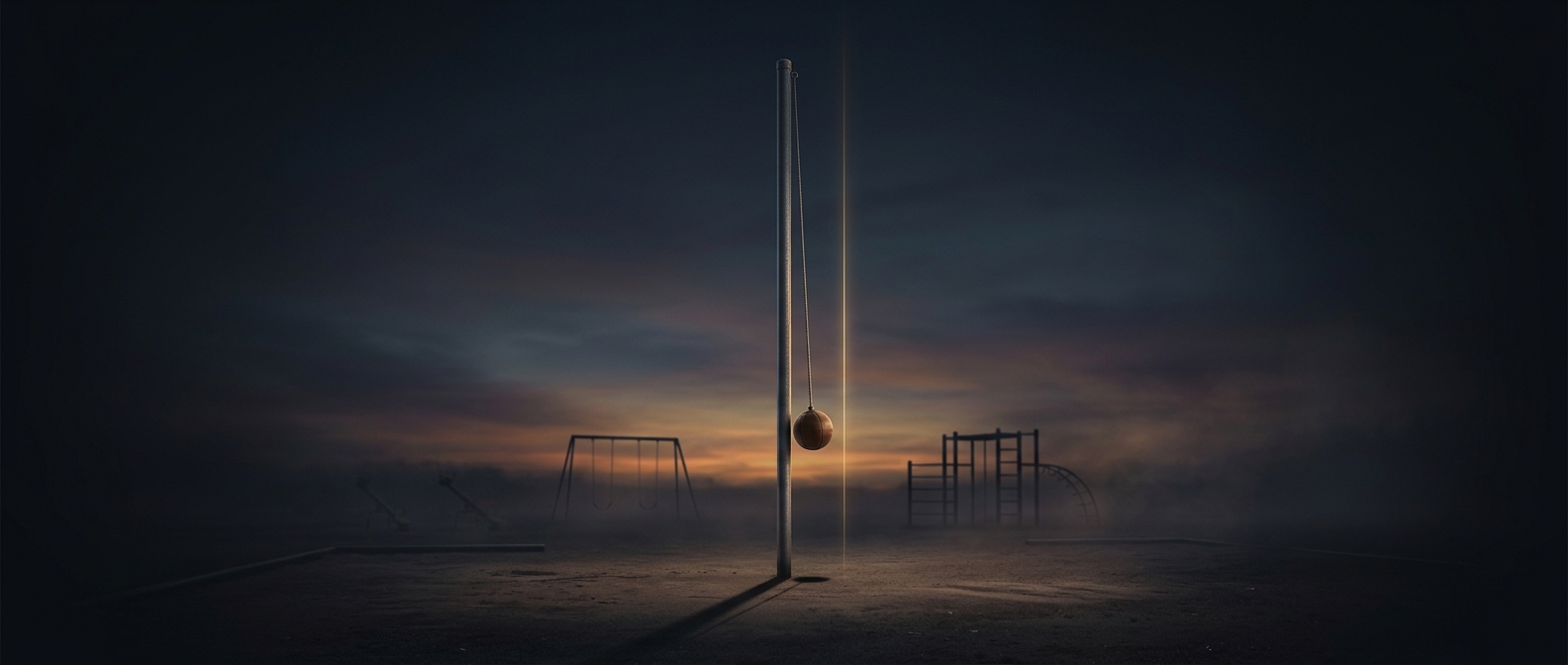
In regulation-style tetherball, the ten-foot measurement gives the game a consistent vertical frame: the ball hangs from a rope attached near the top of the pole, and players try to wrap it around the pole in opposite directions. The height helps determine the ball’s path and where it can be reached as it circles. Change the pole height without adjusting the rope, and the ball may hang too high or too low, changing the balance of the game.
The number is a standard for common regulation setups, not a guarantee that every schoolyard pole measures exactly ten feet. Informal playground equipment can vary, and the rope and ball position matter along with the pole itself.
The Geometry Shapes the Challenge
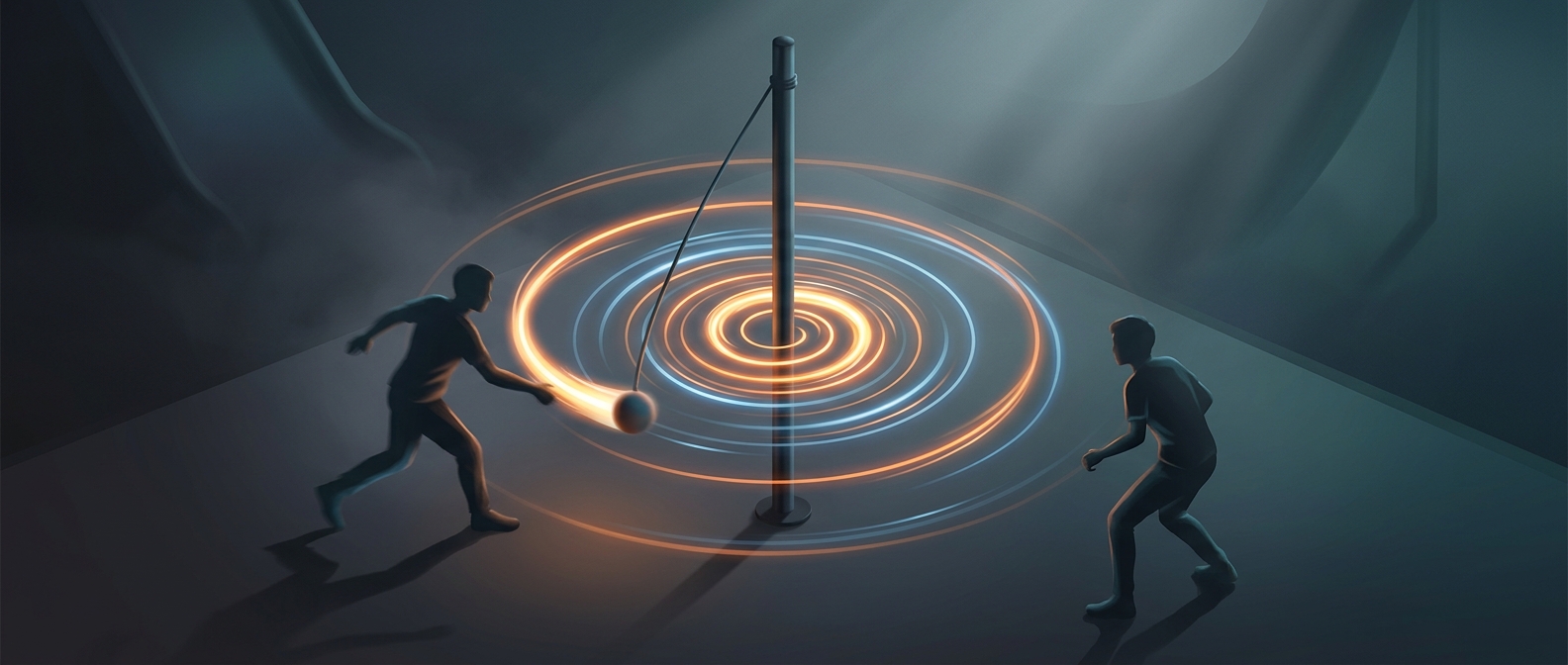
A taller pole gives the ball a longer potential swing and can make it harder to reach at the outer edge of its arc. But players do not simply race to hit a ball at a fixed height: they strike it to send it around the pole, defend against the other player’s direction, and use timing and placement to control its motion. The setup turns a simple contest of hitting into a game of angles and anticipation.
That geometry can favor taller players, especially when the ball swings beyond a shorter player’s comfortable reach. Yet pole height is only part of the design; where the ball hangs determines the contact zone. A standardized setup makes matches more comparable, while the same dimensions can feel very different to players of different heights—which is why a playground game’s equipment can quietly shape who finds it easiest to play.