Why a whispered sentence drifts
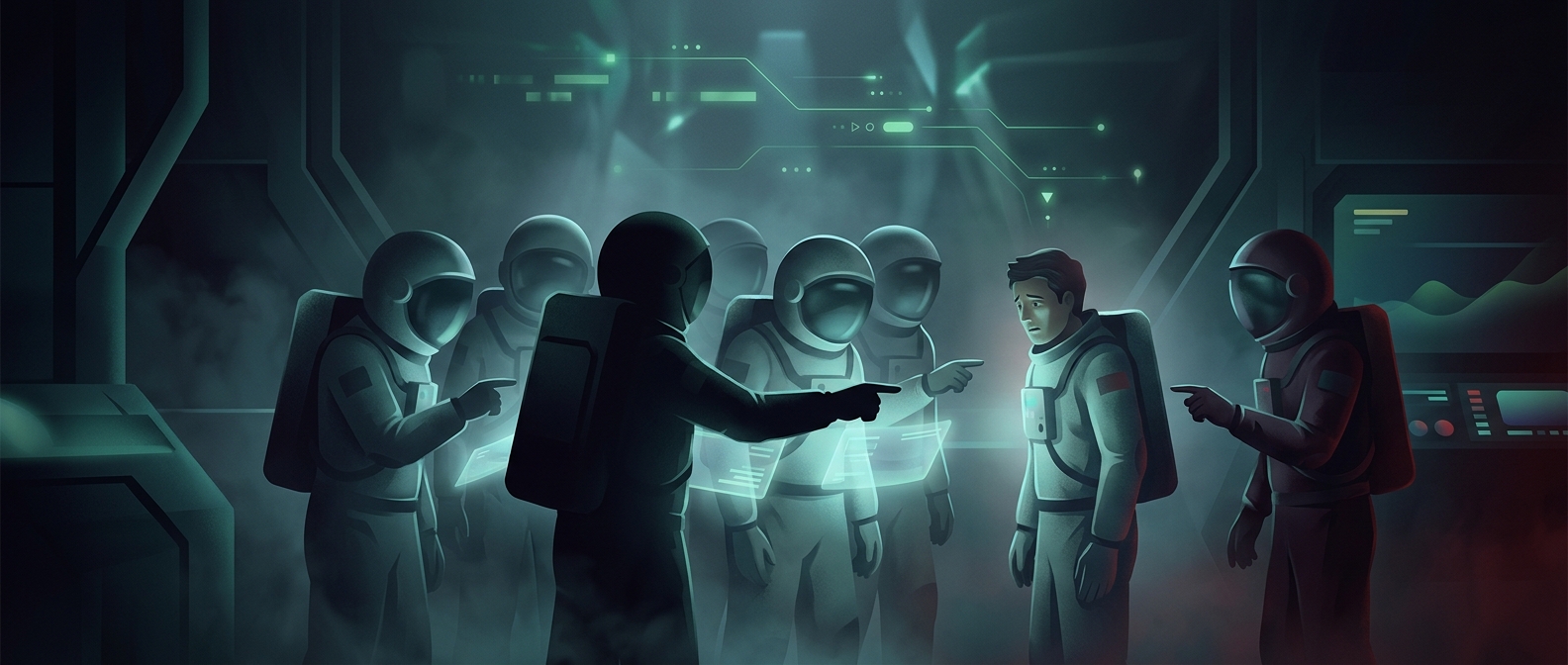
The telephone game turns a message into a chain of imperfect copies. Each player hears the sentence once, holds it briefly in memory, then produces it from memory rather than passing along the original sound. A muffled consonant or unfamiliar phrase can be enough to change what the next person thinks they heard.
People do not remember speech like a recording. They retain its gist and rebuild the wording when they repeat it, often favoring phrases that sound familiar or make sense. If “the bright blue bird” is heard as “the white blue bird,” the listener may unconsciously smooth the odd wording into something more plausible. That repair can introduce a fresh change even when the person is trying to be accurate.
Why one mistake can reshape the next
A changed word affects the clues available to the next listener. A new phrase may have different sounds, rhythm, or meaning, making it easier to mishear in a different way. The errors therefore do not simply accumulate as a fixed percentage; each version becomes the starting point for another round of listening and reconstruction.
The game also removes the ordinary ways people catch mistakes. Players cannot ask for clarification, compare the message with a written original, or correct a listener after the fact. Whispering adds another obstacle: quiet speech can blur the distinctions between similar sounds, especially in a noisy room.
The surprise is in the chain
By the time the final player speaks, the result can differ sharply from the starting sentence—not because anyone deliberately changed it, but because each person made a plausible copy from incomplete evidence. The game makes an everyday feature of conversation visible: messages are often rebuilt from what we think we heard, not transmitted word for word.