A ladder turns movement into a precision task
On ordinary ground, a small steering error usually means a small detour. At a ladder, the same error can mean missing the interaction entirely. The character has to reach a narrow area in front of the ladder, face it correctly, and trigger the climb action while close enough. If the game uses a camera angle that makes depth hard to judge, it can be difficult to tell whether the character is centered on the rungs or standing just beside them.
That is why approaching a ladder can feel less like walking and more like threading a needle. Players often have to make tiny adjustments rather than hold a direction and expect the character to snap into place.
Climbing changes the rules of control
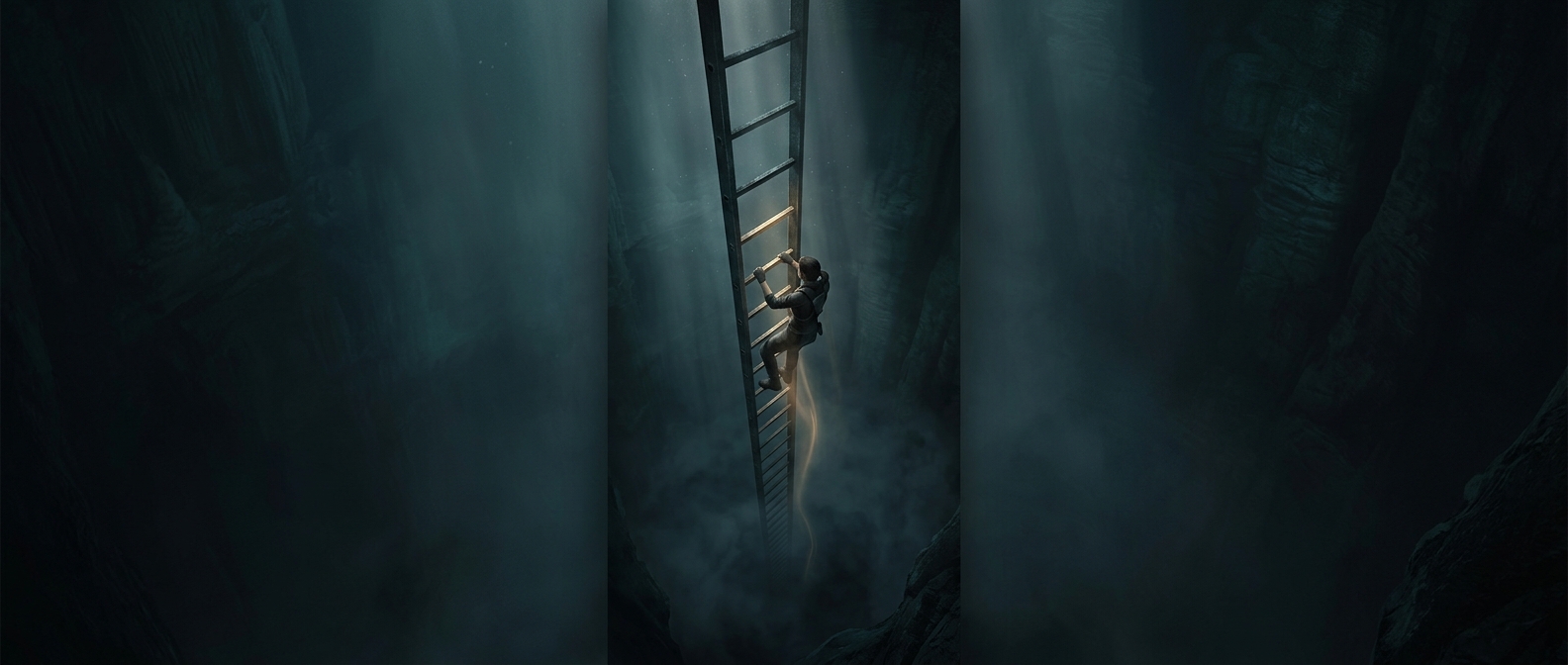
Once the character grabs the ladder, the game may switch from free movement to a constrained mode: the character can move up or down, but cannot dodge or turn as freely. This makes the ladder legible as a climbable object, yet it also removes options that normally help players recover from a mistake.
Getting off can be just as particular as getting on. The character may need to reach the end of the ladder and press a direction or action to step onto the nearby platform. Press too early, or approach the exit from an awkward angle, and the character may fail to transition cleanly. In games where falling causes damage or a reset, that brief, limited-control moment carries real stakes.
A small interaction can become a deliberate challenge
These difficulties often come from a tradeoff in game design. A clear, forgiving snap-to-ladder interaction is convenient, but can make climbing feel automatic; requiring careful positioning makes the ladder behave more like a physical object, while exposing players to the limits of the control system. The danger is most noticeable when a game gives ladders narrow entry points, awkward camera views, or little room to correct course.
So a descent that looks simple on screen can demand more precision than a fight: the player must manage position, timing, and a temporary loss of freedom, one rung at a time.