Why a Charades Clue Can Turn Into an Argument
A charades player has to translate an idea into movement while staying silent. That sounds simple until the idea is something abstract or visually complicated: a film title such as The Matrix may bring its actor a whole chain of images, but the audience sees only gestures and has to guess which detail matters.
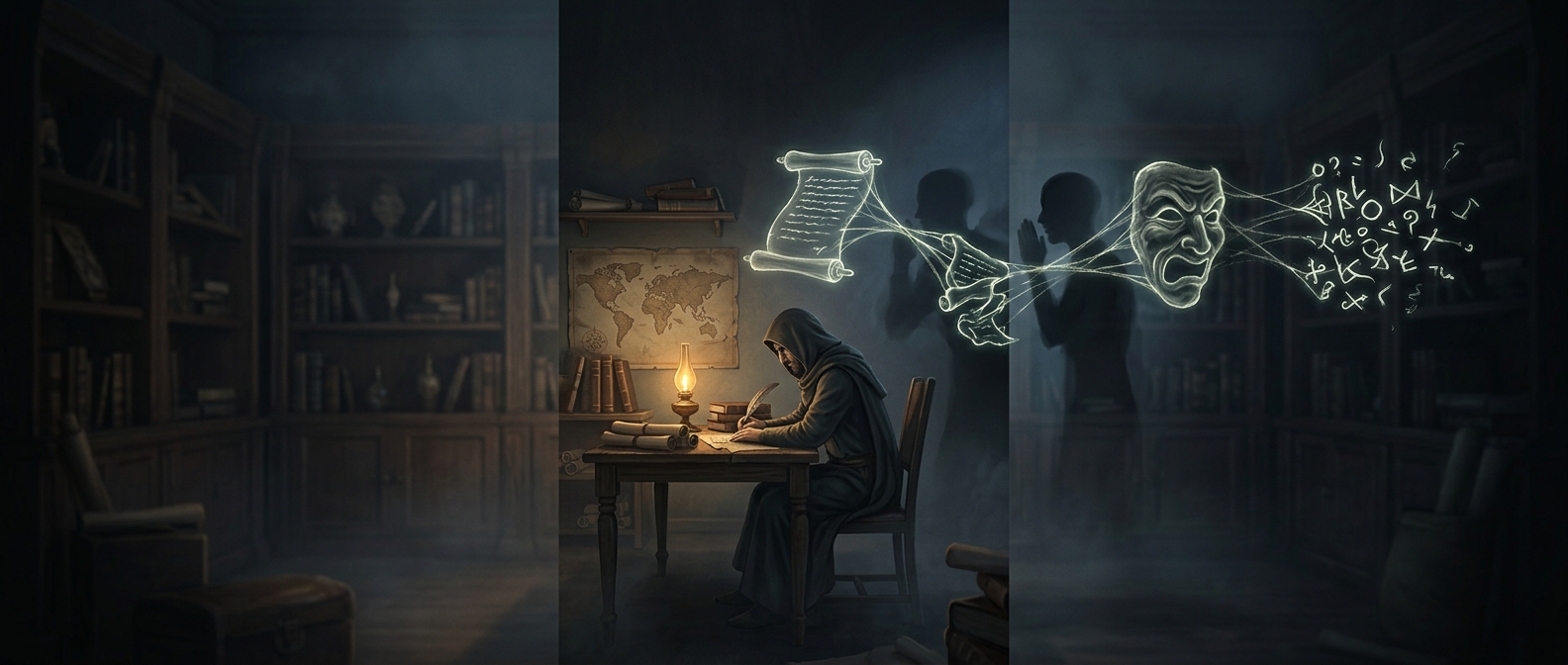
The actor often starts with the clue that feels most obvious to them. The guesser, meanwhile, interprets each motion through a different set of associations. A hand near the face might mean “glasses,” “look,” or a character; a pause might be part of the performance or a sign that the actor is waiting for a guess. The same gesture can be clear to the person making it and nearly meaningless to the person watching.
How Guessing Becomes Frustrating
Charades makes that mismatch visible in real time. Every wrong guess tells the actor that the message has not landed, but silence prevents the quickest repair: explaining what the gesture was supposed to mean. The actor may repeat or exaggerate it; the guesser may offer more possibilities. Each can feel increasingly obvious from their own side of the exchange.
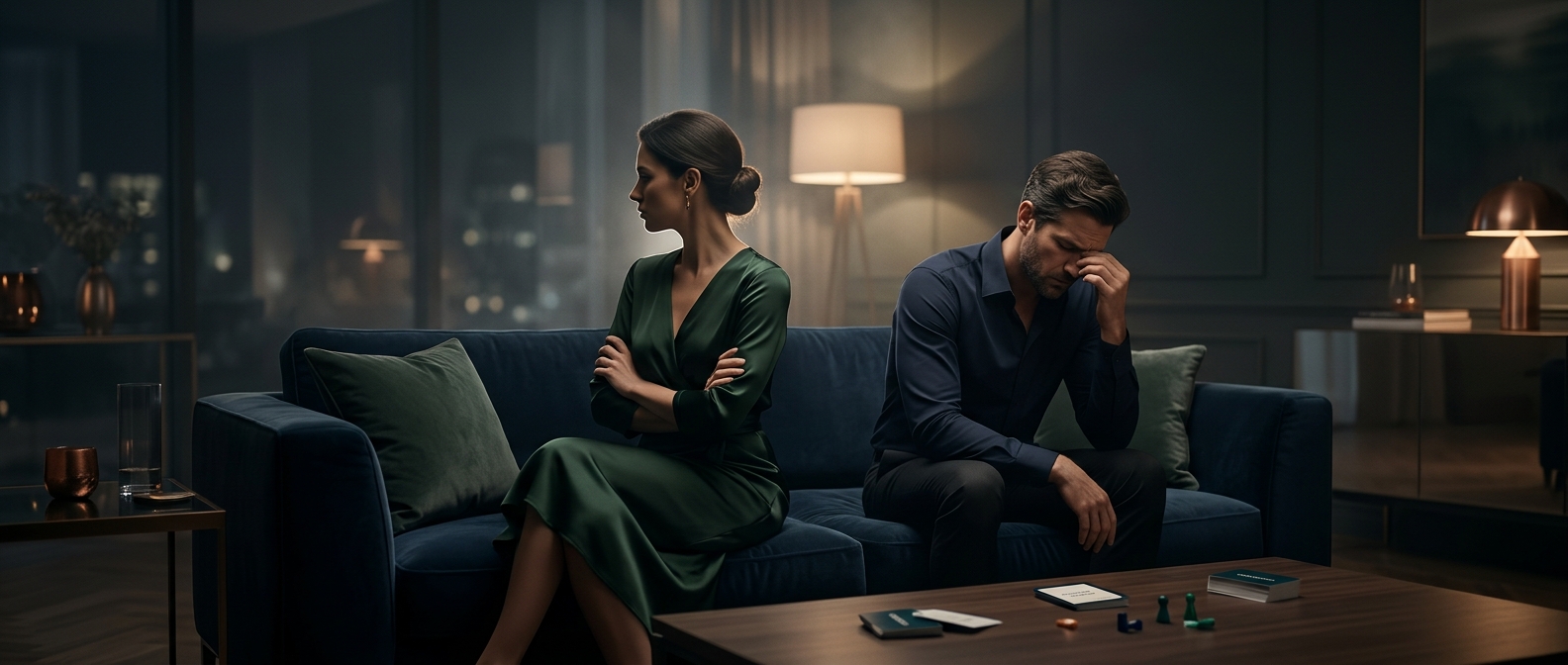
With a partner, that moment can carry extra meaning. A guesser may hear irritation in a sharper gesture, while the actor may take an off-target guess as evidence that they are not being understood. Usually, though, the problem is not a lack of care or attention. It is a tiny communication puzzle with incomplete clues and no direct way to clarify them. The marital “war” is often simply two people discovering that they were watching—and signaling—different things.