The keg supplies the push; the body does the routing
In an ordinary drink, gravity helps liquid flow from the mouth toward the stomach. During a keg stand, the drinker is upside down, so that familiar downhill path is reversed. The keg’s pressure pushes beer through the hose and into the mouth; it does not pump the liquid directly into the stomach.
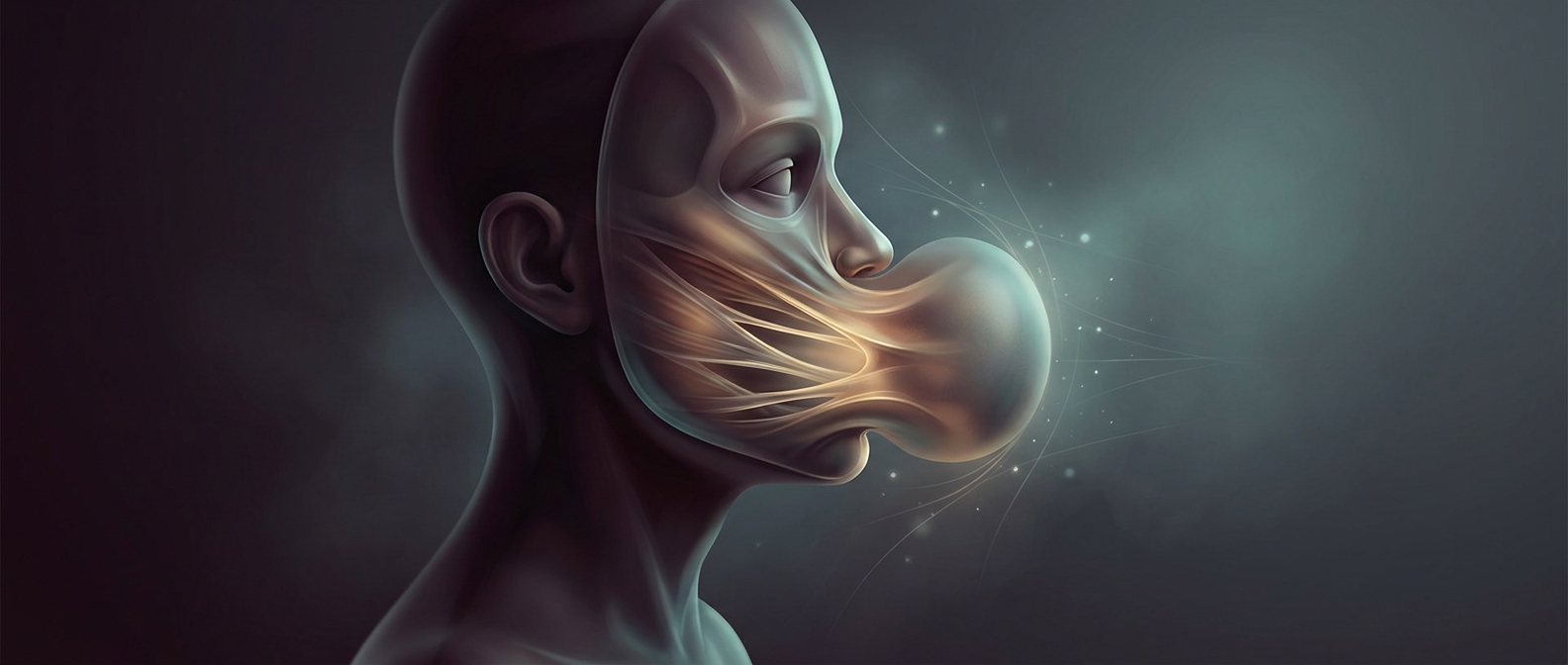
To get it down, the drinker still has to swallow. Swallowing triggers peristalsis: coordinated squeezes of muscle that move material along the esophagus, the tube connecting the throat to the stomach. Those waves work in sequence, much like a moving squeeze on a soft tube, so they can propel liquid even when gravity is not helping.
Why the trick is not just “pouring into” the stomach
The esophagus is not a permanently open pipe. A swallow briefly coordinates the throat and esophageal muscles, directing liquid away from the airway and toward the stomach. The keg’s pressure can make liquid arrive quickly, but the body’s swallowing reflex still has to manage it. If the flow outruns that coordination, liquid can enter the airway or cause choking—one reason the stunt is more than a simple test of balance.
The memorable physics is a handoff: pressure gets the drink to the mouth, and muscular motion carries it onward. Turning the person upside down changes the route’s orientation, but it does not switch off the body’s ability to move a swallow.