When survival matters more than skill
Some party-game minigames reward the last player still in, not the one who moves fastest or performs the most actions. If the round includes random hazards or outcomes, a player can come out ahead simply by avoiding elimination while everyone else takes risks—or gets unlucky.
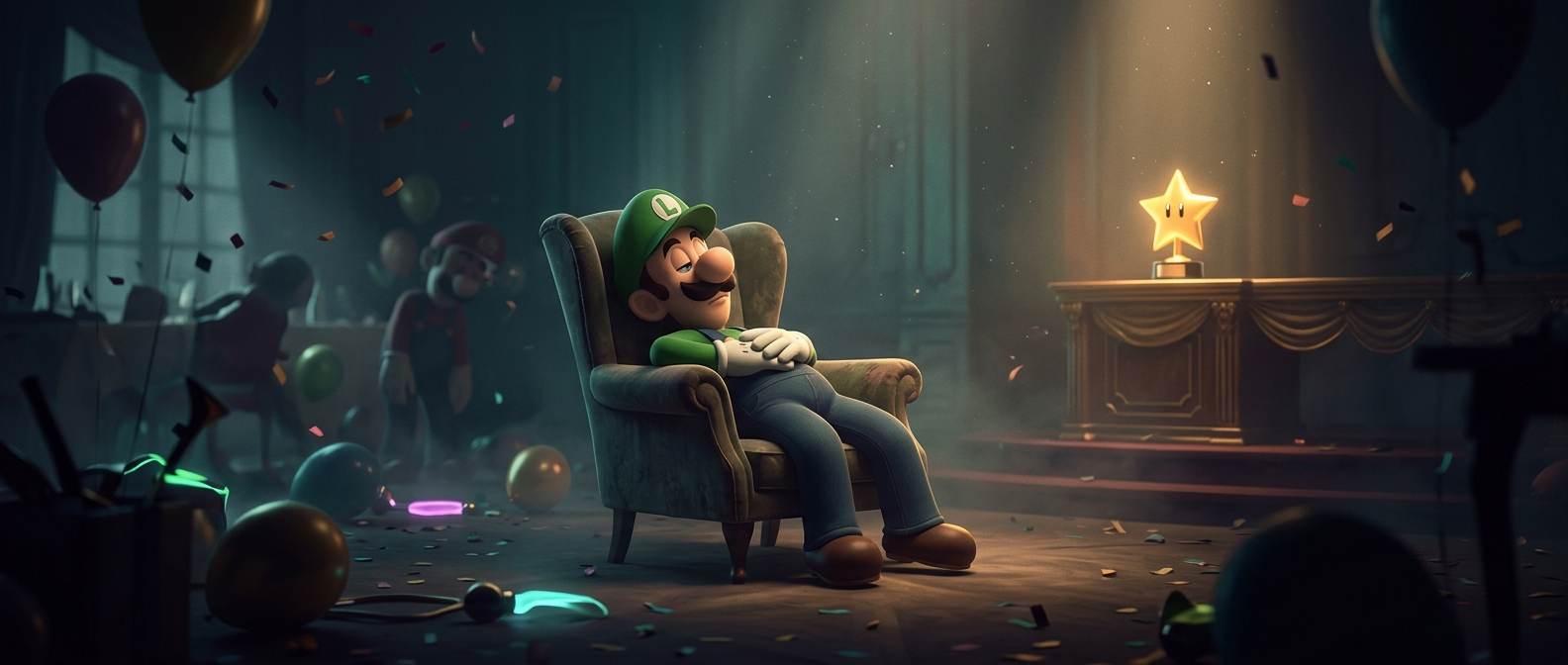
That makes Luigi’s near-stillness less a strategy than a possible result of the rules. If his opponents are removed by a hazard or by their own choices, he can win without doing much. The important action may be what the game does to the other players, not how actively Luigi plays.
Why a quiet win fits the design
Party minigames often mix player control with chance. That keeps a round from being a pure test of reflexes: a bold move can pay off, but it can also expose a player to a bad outcome. In a survival-style round, staying out of trouble may be enough to let chance do the rest.
The result is funny because it reverses the usual picture of competition. While everyone else scrambles and gets knocked out, Luigi can appear to win by doing almost nothing—a reminder that in a game built around unpredictable outcomes, surviving the chaos can matter more than making the most moves.