A Word Grid Becomes a Map of Hidden Teams
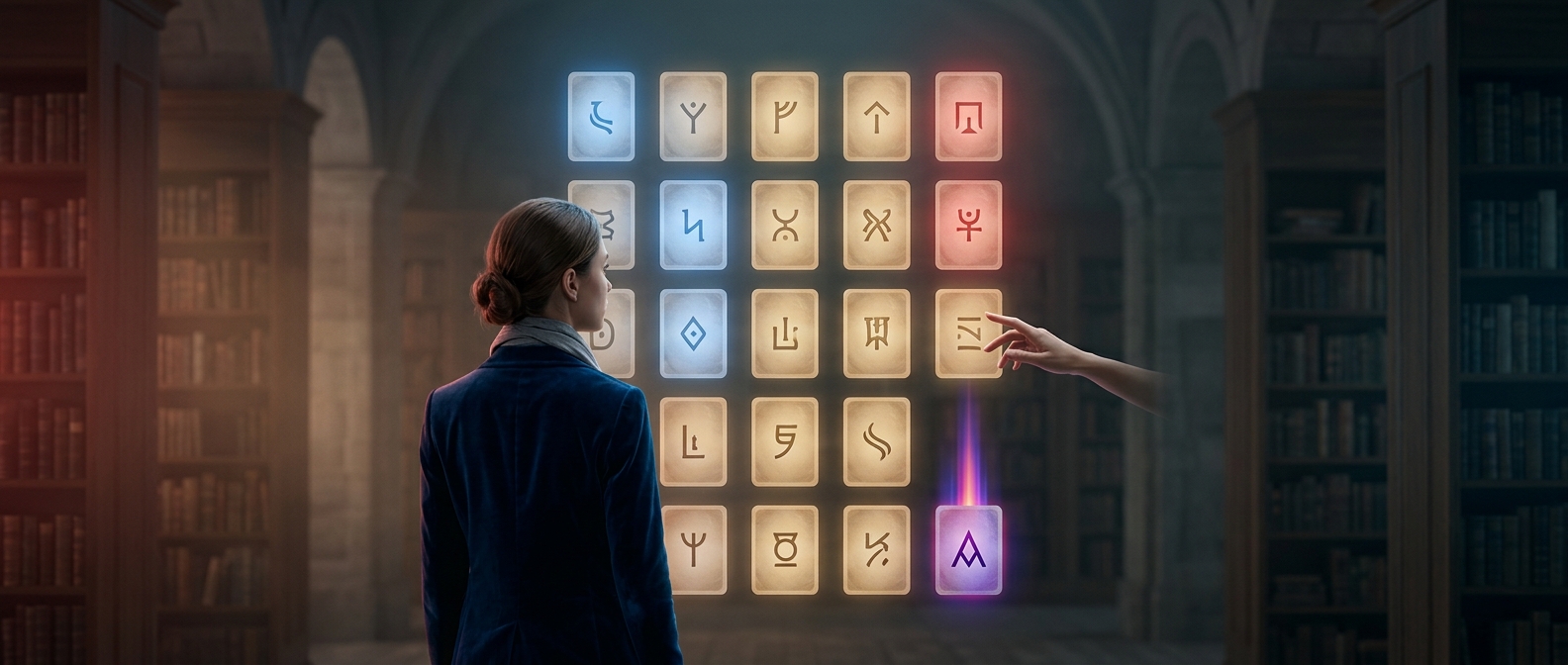
The twenty-five words are only the visible layer of the game. A hidden key card tells the spymasters which words belong to each team, which are neutral, and which single word is the assassin. The spymasters can see that map; their teammates cannot. So the same word may look like an obvious target to one side and a dangerous distraction to the other.
That split turns clue-giving into a problem of compression. A spymaster offers one word and a number: the word is meant to connect several of their team’s targets, and the number says how many. Teammates must infer not just the intended connection, but which other words on the table the clue might accidentally evoke.
Why One Clue Can Carry So Much Risk
A clue that fits several targets efficiently can also fit an opponent’s word—or the assassin. Teammates may guess more than the number named, but each extra guess is another chance to follow the wrong association. A mistaken pick can hand a word to the other team, end the turn, or, if it lands on the assassin, end the game immediately.
The pressure comes from the gap between what the spymaster knows and what the team can safely infer. A clue is not simply a clever link between words; it is a bet about how other people will interpret that link. On a table where “moon” might point toward “space,” “night,” or “cheese,” the best clue is often the one that connects enough targets without making a dangerous word seem just as plausible.