A missing map could make an ally’s request risky
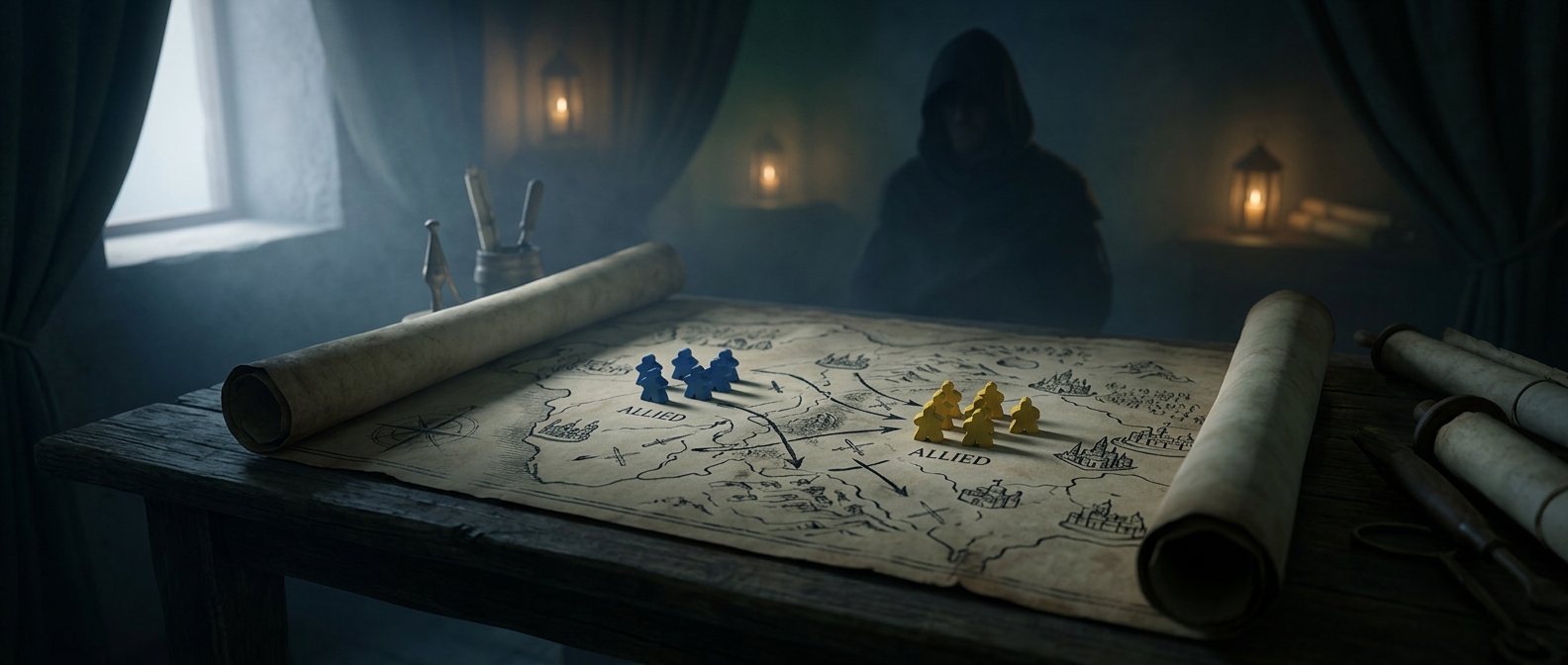
In Age of Empires II, Cartography let teammates share the parts of the map they had explored. Without it, an ally might know where your settlement was but still lack a useful view of its layout: where buildings stood, how defenses were arranged, or which routes led into the base. The shared map was more than a convenience. It helped teammates understand what was happening beyond their own screens.
Information was part of the team economy
That mattered when one player asked another for resources. Sending food, wood, or gold could help an ally survive or build an army, but it also meant trusting that player with a better picture of your position. Before Cartography became free, researching it required spending resources; delaying it could preserve that investment—or leave teammates in the dark.
The tension was especially sharp because a map could reveal more than a player intended to share. A teammate who could see the base’s explored layout might judge how exposed it was, where an attack could land, or whether its owner was prepared to defend. The technology did not force cooperation; it made the information that cooperation depended on a choice.
A small upgrade changed what trust looked like
That turned a routine research decision into a quiet test of alliance. A player asking for help could be genuinely short on resources, while a player withholding Cartography could be cautious rather than hostile. But the combination—asking for supplies while refusing to share the map—gave teammates reason to wonder whether they were supporting a partner or exposing themselves to one. In a game built around scouting and surprise, even an ally’s unreadable base could become part of the battlefield.