A private ritual shaped by fear
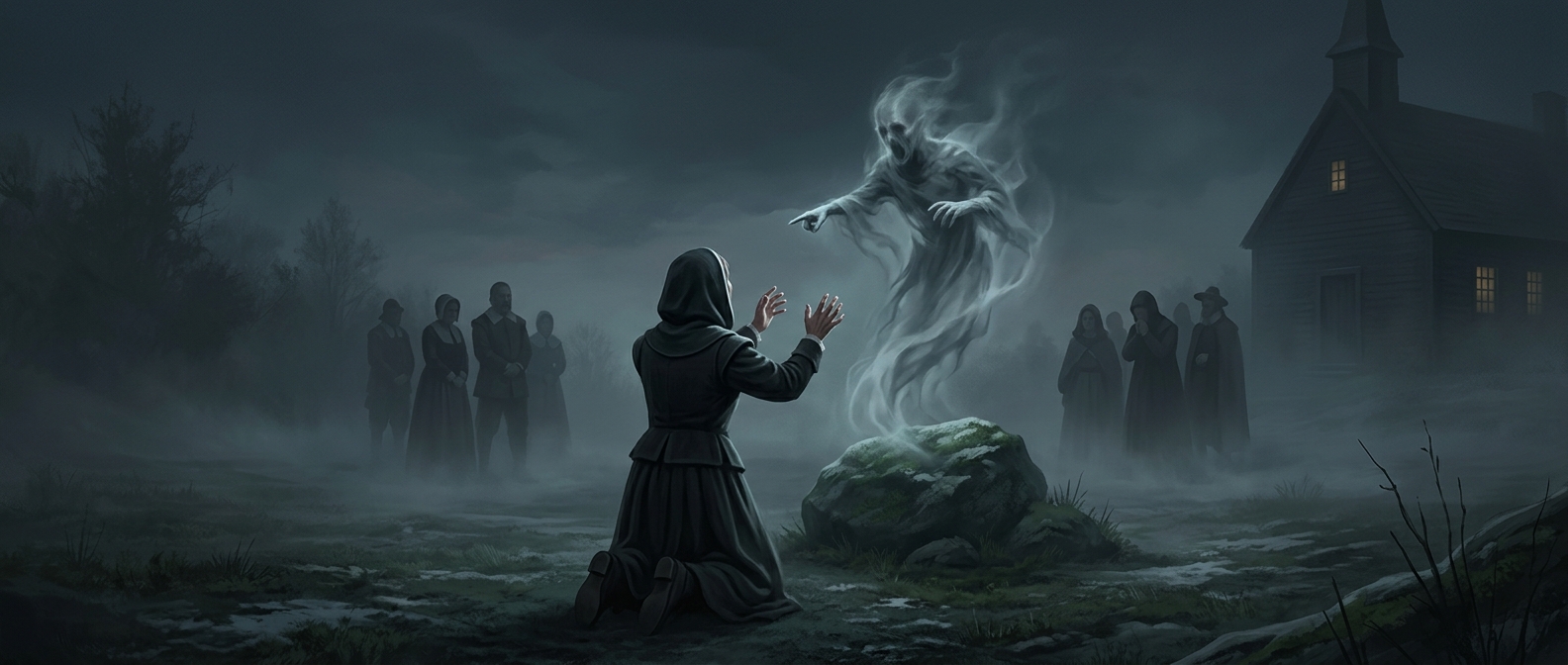
The refrigerator story is striking because it turns an ordinary household object into a kind of safeguard. In accounts of David Bowie’s troubled 1970s period, he reportedly kept urine there because he feared unseen forces could take something essential from him. The act made an invisible threat feel manageable: what he feared losing was, in his mind, physically contained and close at hand.
That logic resembles magical thinking—the belief that an object or action can protect against a danger through a hidden connection. It can make sense from inside a frightened person’s worldview, even when the danger itself cannot be verified. The refrigerator’s everyday function may have offered a practical-seeming answer to an extraordinary fear: preserve the substance, and perhaps preserve the self.
The cost of making fear tangible
The anecdote also hints at how paranoia can reshape daily life. When a threat seems pervasive, ordinary routines can become precautions, and precautions can reinforce the sense that danger is real. A jar in a refrigerator is both a concrete response and a reminder that the fear has entered the home.
The story is usually remembered as an eccentric celebrity detail. Its more unsettling point is how plainly it shows fear taking material form: something as mundane as storing leftovers could become part of an attempt to defend one’s identity.