Why Lily Dale draws visitors seeking mediums
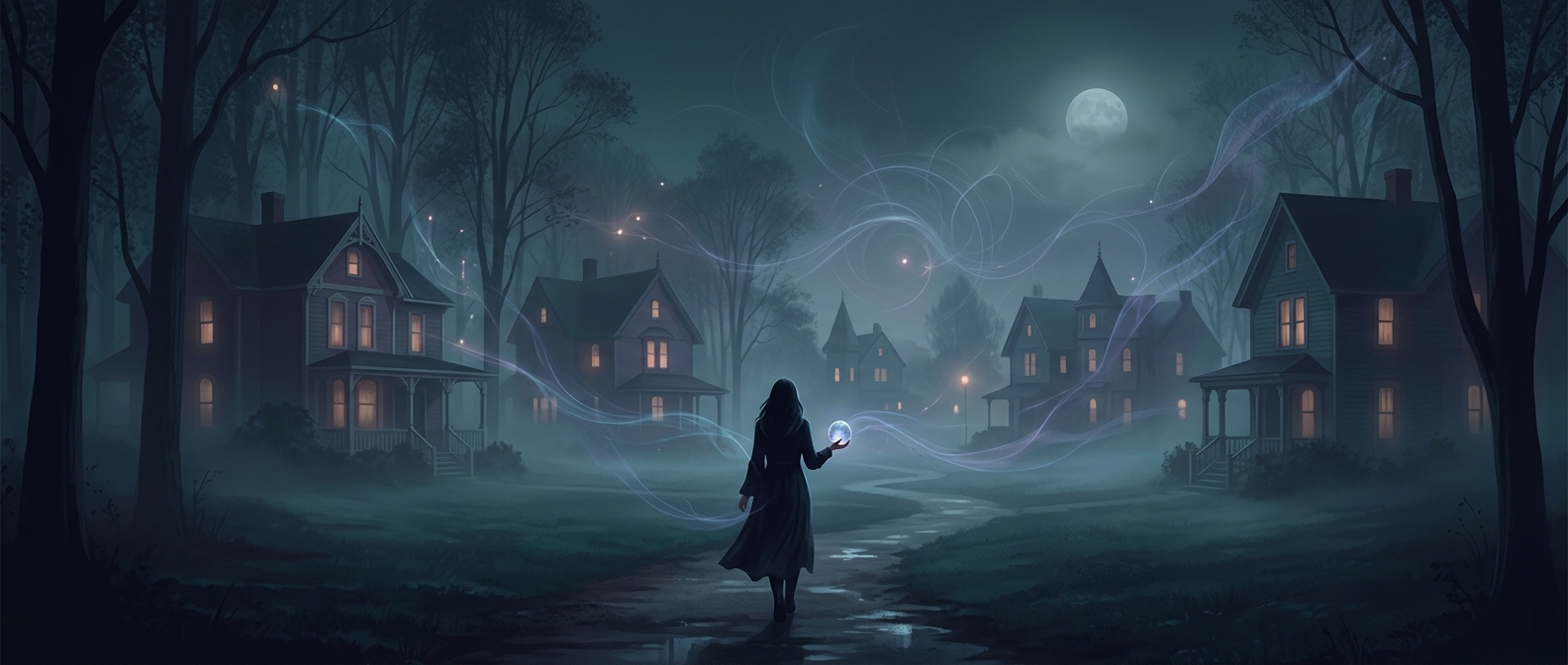
Lily Dale, a small community in western New York, is organized around Spiritualism: a religious movement whose followers believe that the living can communicate with the dead. That belief shapes the place’s identity and gives visitors a reason to come for services, talks, workshops, and readings with mediums—people who say they can relay messages from spirits.
The town is not a place where every resident is constantly speaking to the dead. Rather, mediumship is its defining tradition and a focus of its public life. Visitors can encounter it as both a religious practice and a local attraction, while residents and guests may relate to it in different ways.
A belief turned into a place
Spiritualism took hold in the United States in the nineteenth century, when interest in séances and communication with the dead spread widely. Lily Dale developed as a gathering place for people drawn to the movement. Over time, its buildings, events, and services made the belief visible in the landscape: instead of encountering mediumship only at a private séance, visitors could come to a community where it was openly practiced and taught.
That setting matters. A reading or demonstration is not just an isolated performance; it takes place within a community that treats contact with spirits as a meaningful part of its religious life. The experience can therefore feel different from a typical tourist stop: the same visitor may be observing a local tradition, attending a spiritual service, or seeking personal guidance.
What visitors actually encounter
The appeal is the chance to see how a belief becomes a shared practice. Public events let people observe mediums at work, while private readings offer a more personal encounter. Whether visitors arrive as believers, skeptics, or simply curious travelers, Lily Dale’s distinctive feature is that mediumship is woven into the community’s everyday identity—not merely staged as a one-off attraction.