Why a Smaller Hotel Can Cost More
A hotel’s price is not a simple tally of what it provides. A pool, restaurant, or round-the-clock kitchen takes space, staff, and ongoing upkeep; a small property may choose not to build or operate those features. Instead, it can devote its budget and limited space to distinctive rooms, carefully chosen materials, and a more intimate atmosphere.
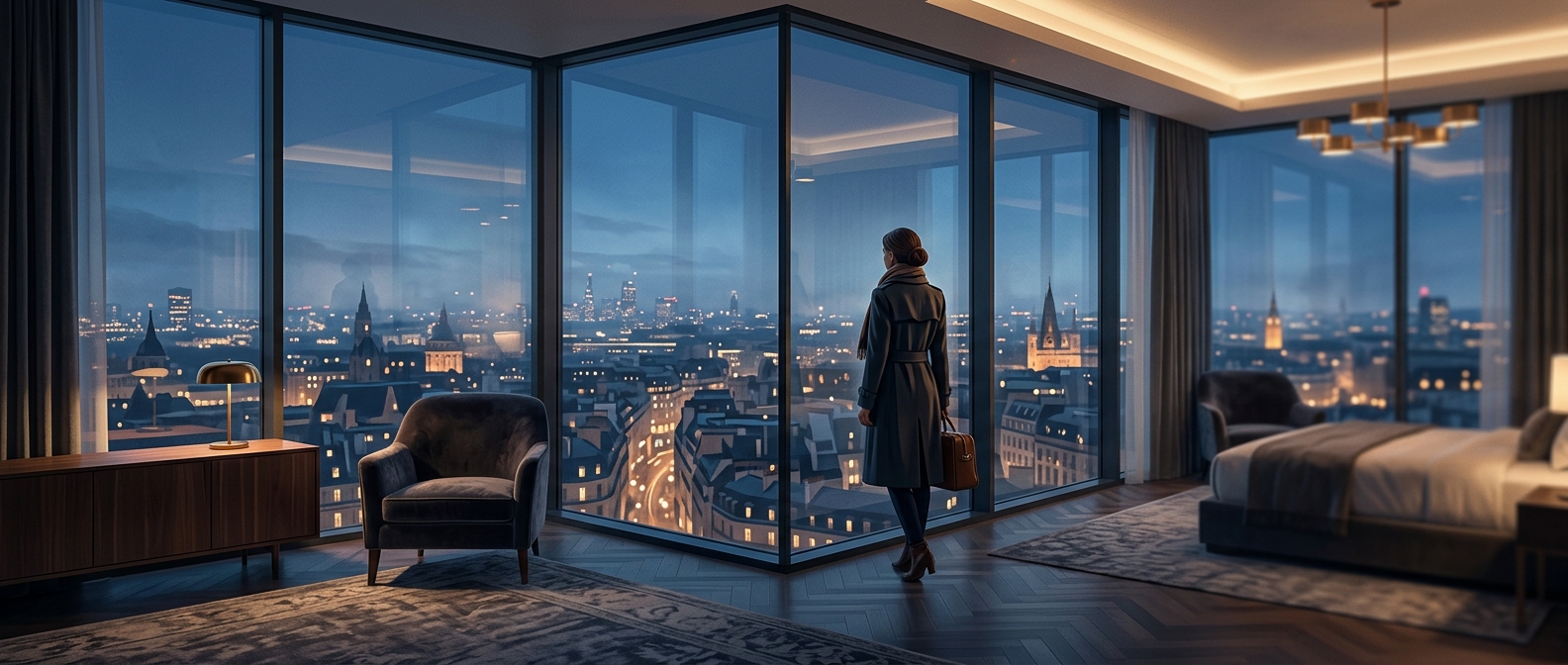
That trade is especially visible in older buildings or dense city neighborhoods, where adding a pool or large shared facilities may be impractical. Exposed brick and industrial lighting can make a room feel tied to its building and surroundings in a way standardized finishes do not. Guests who value that sense of place may be willing to pay for it, even if they plan to spend little time at the hotel.
What the Rate Is Really Buying
The premium may also reflect factors beyond the room’s amenity list: a sought-after location, a limited number of rooms, or the cost of adapting and maintaining an unusual property. “Boutique” describes a style and scale, not a guarantee of luxury or service, so prices and what they include vary widely.
For travelers, the useful comparison is between the features they will actually use and the experience they want. Someone who expects to swim or eat on-site may find the missing facilities costly in convenience; someone drawn to a distinctive room in a walkable neighborhood may see the design and location as the main event.