Speed changed the risks of a mail route
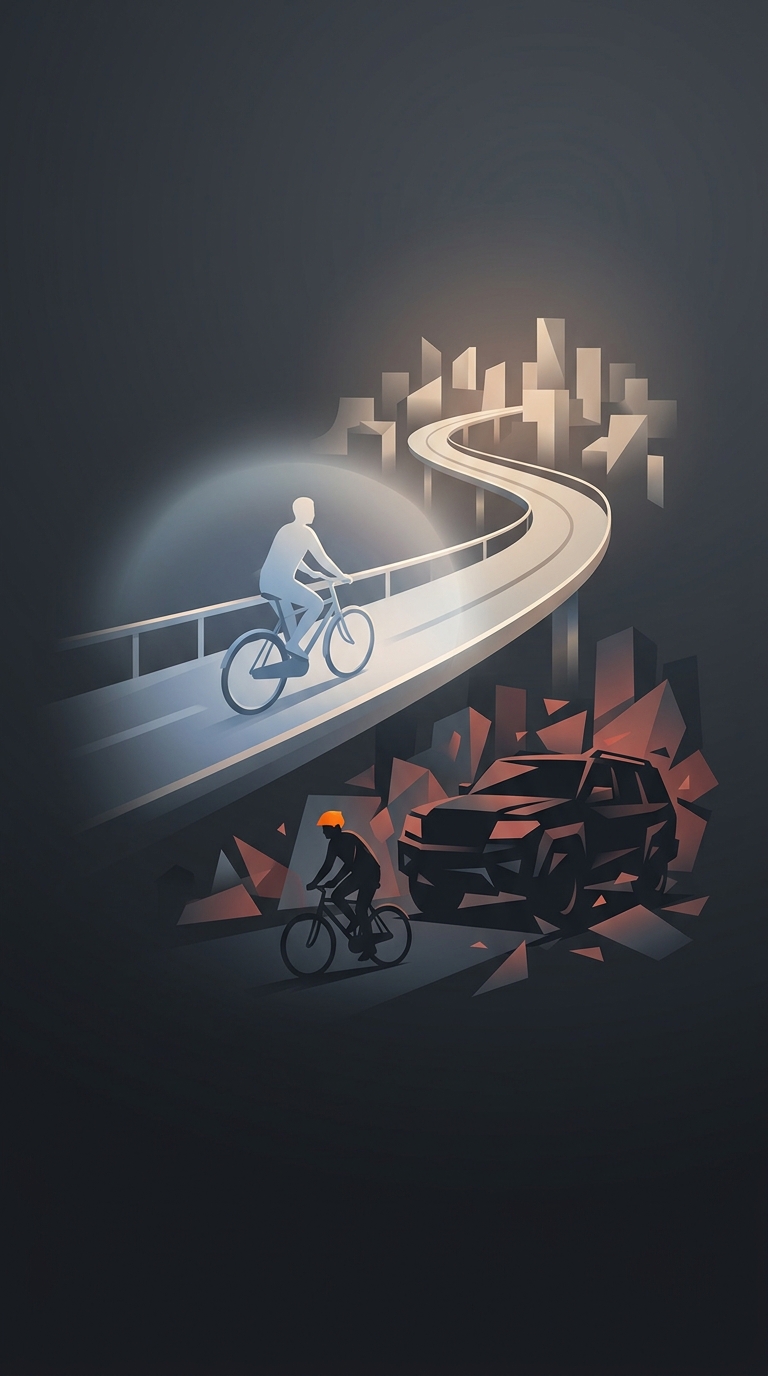
A bicycle let a carrier cover a route more quickly than traveling on foot, but it also changed what protection looked like. A rider could move between stops without the shelter of a vehicle, and on a quiet stretch there might be no one nearby to help if trouble began. The same speed that improved delivery could leave a carrier alone in motion, with little chance to call for assistance.
A sidearm was a safeguard, not a solution
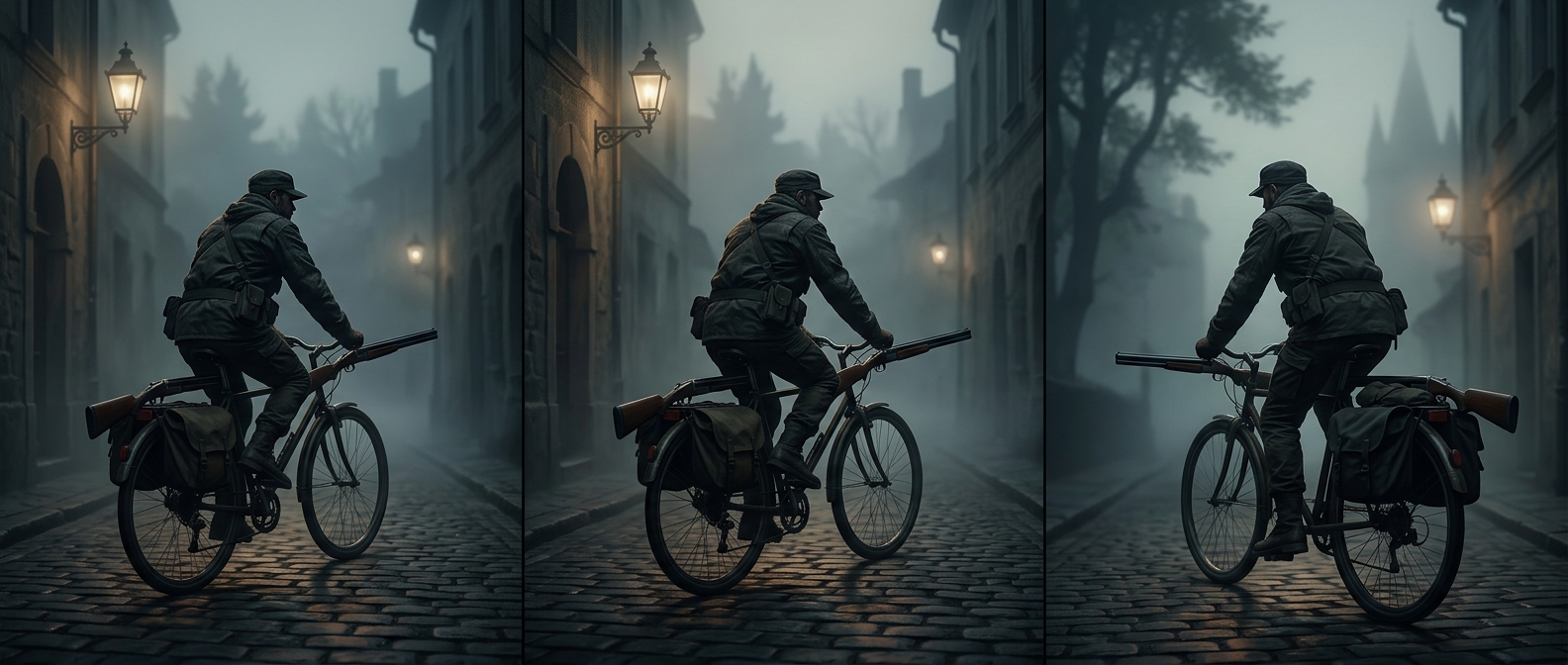
Some carriers carried firearms because they faced two distinct hazards: robbery and aggressive dogs. A weapon could offer a means of defense, but it could not make a route safer in every respect. The carrier still had to balance the bicycle, manage the mail, and respond to danger without the protection or support a more substantial vehicle might provide.
That tradeoff is the revealing part of the story: transport technology does not simply remove risk. It can make a job faster while shifting its dangers onto the person using it. On a bicycle, the mail moved efficiently—but the carrier remained exposed along the way.