Why a replacement bill needs a different mark
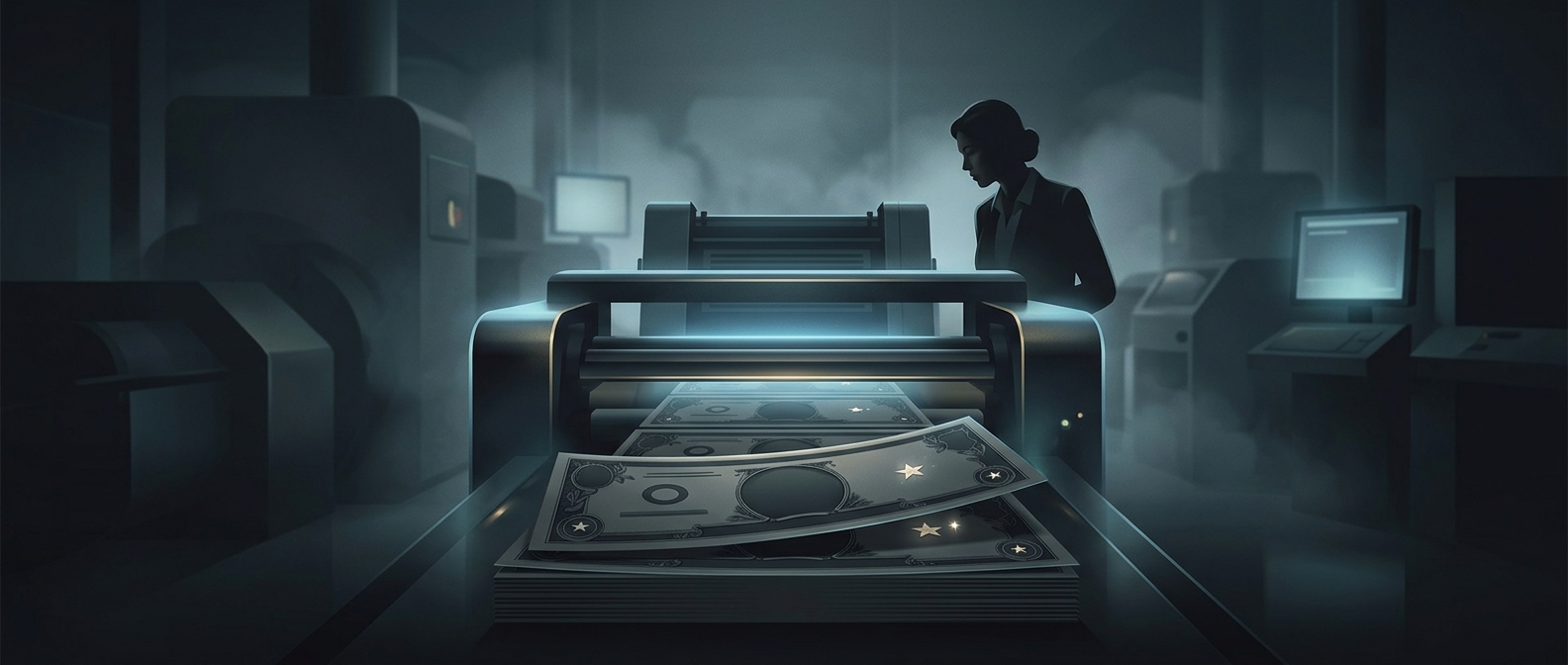
A dollar bill’s serial number is an identifier, not a score or rarity rating. If a note is found defective during production, it can be removed before it enters circulation. A replacement is then needed so the finished batch still contains the intended number of usable notes.
The difficulty is that the replacement cannot simply carry the defective bill’s serial number: the bad note may already have been printed with that number, and two notes with the same identifier would be hard to distinguish in records. The star provides a simple way to mark the substitute as a separate note.
A star is a production clue
The symbol appears at the end of the serial number, in place of the letter normally used there. It tells handlers that the bill belongs to a replacement sequence, rather than the ordinary run of serial numbers. The star is therefore part of the numbering system, not a mark added later to make a bill collectible.
Star notes can attract collectors because they are less common than ordinary notes, but the symbol alone does not make a bill especially valuable. Its condition, series, and other features matter too. The practical point is more modest: when a flawed note is taken out, the star lets its stand-in be identified without confusing the two.