Why a Bare Frame Can Look More Real on Camera
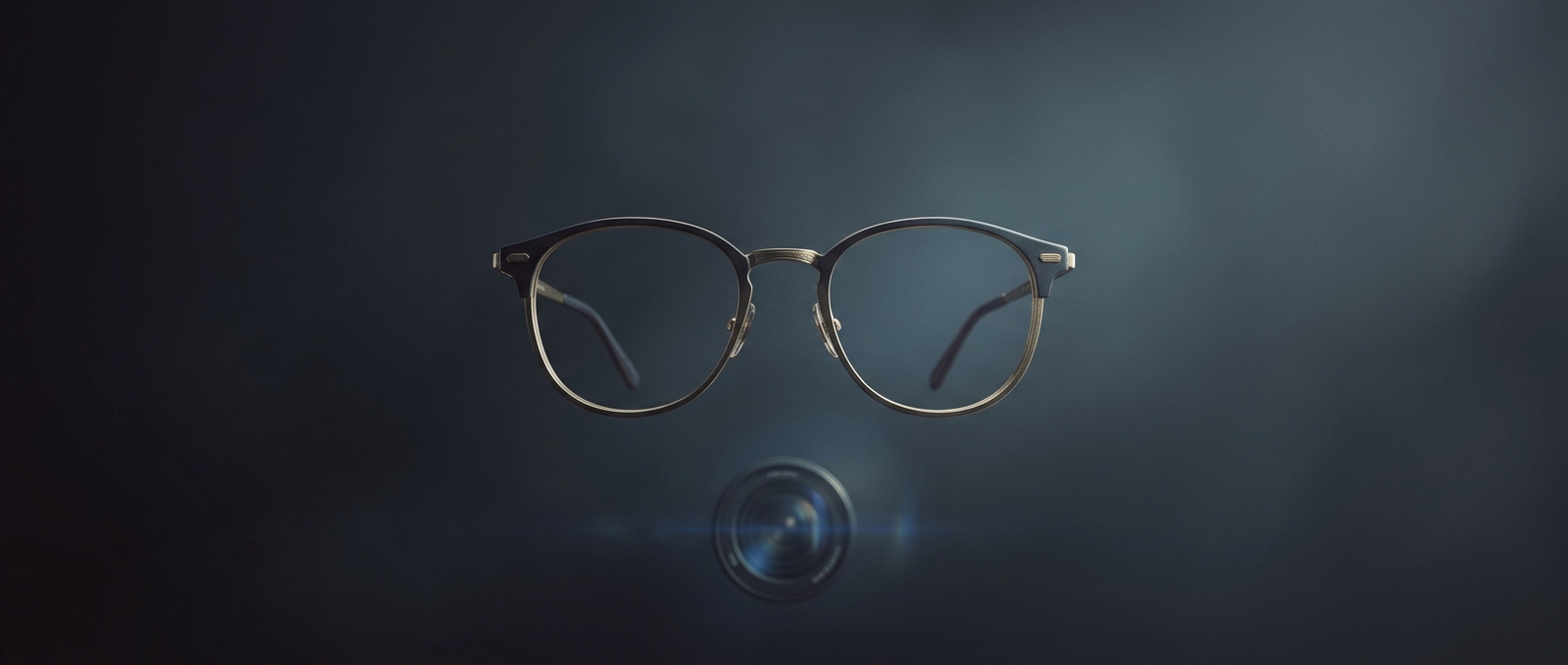
A pair of glasses may look ordinary to a person across a room but behave like a tiny mirror under film lighting. A lens reflects some of the light aimed at an actor, including bright lamps placed just outside the frame. On camera, those reflections can become pale streaks or bright patches that compete with the face.
The problem is especially noticeable around the eyes. Viewers read small changes in an actor’s gaze and expression; a reflection can hide those cues or make the character seem to be looking somewhere else. Removing the lenses lets the camera record the eyes cleanly while keeping the frame that helps define the character’s appearance.
The Camera Changes the Tradeoff
Real glasses can be treated to reduce glare, but that does not guarantee a reflection-free image. The result depends on the lens, the angle of the camera, and where the lights are placed. Adjusting any of those can help, but it may constrain a shot or the lighting needed for the rest of the scene. Empty frames offer a simple alternative when the lenses themselves are not important to what the audience sees.
That choice also changes the actor’s physical cues: without glass in the frame, there is no visual reminder that the glasses are there. A prop that looks complete from the audience’s viewpoint can therefore require extra care in performance. The tradeoff is small but telling: on screen, a convincing accessory sometimes works best when part of the real object is missing.