A protagonist who leaves the conversation to you
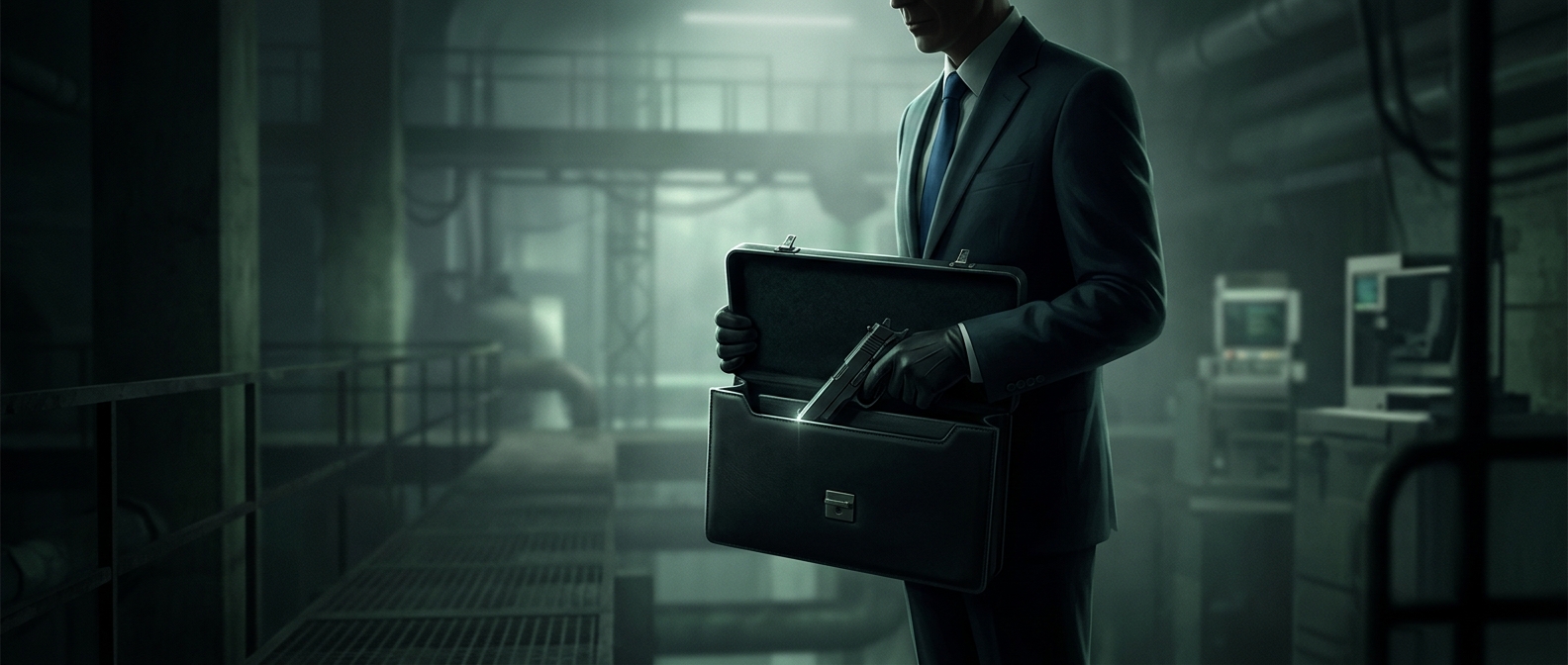
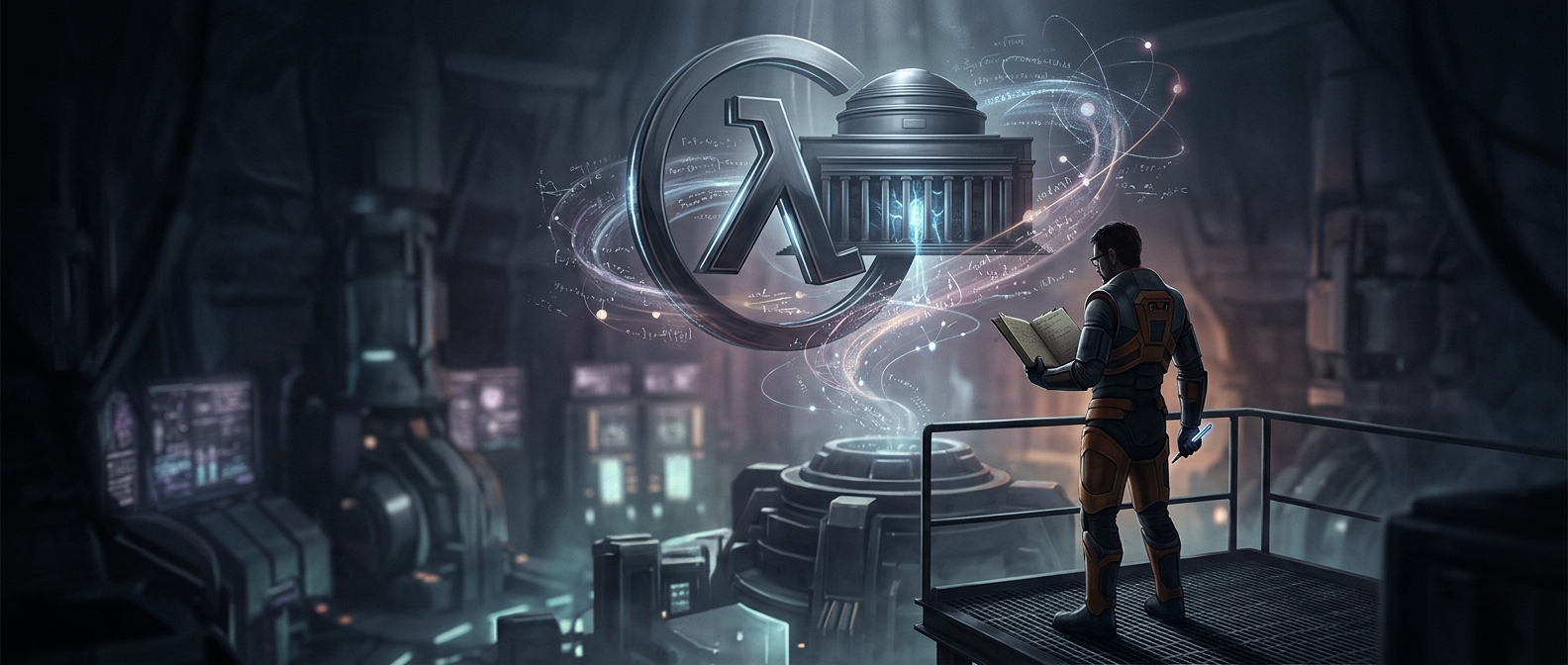
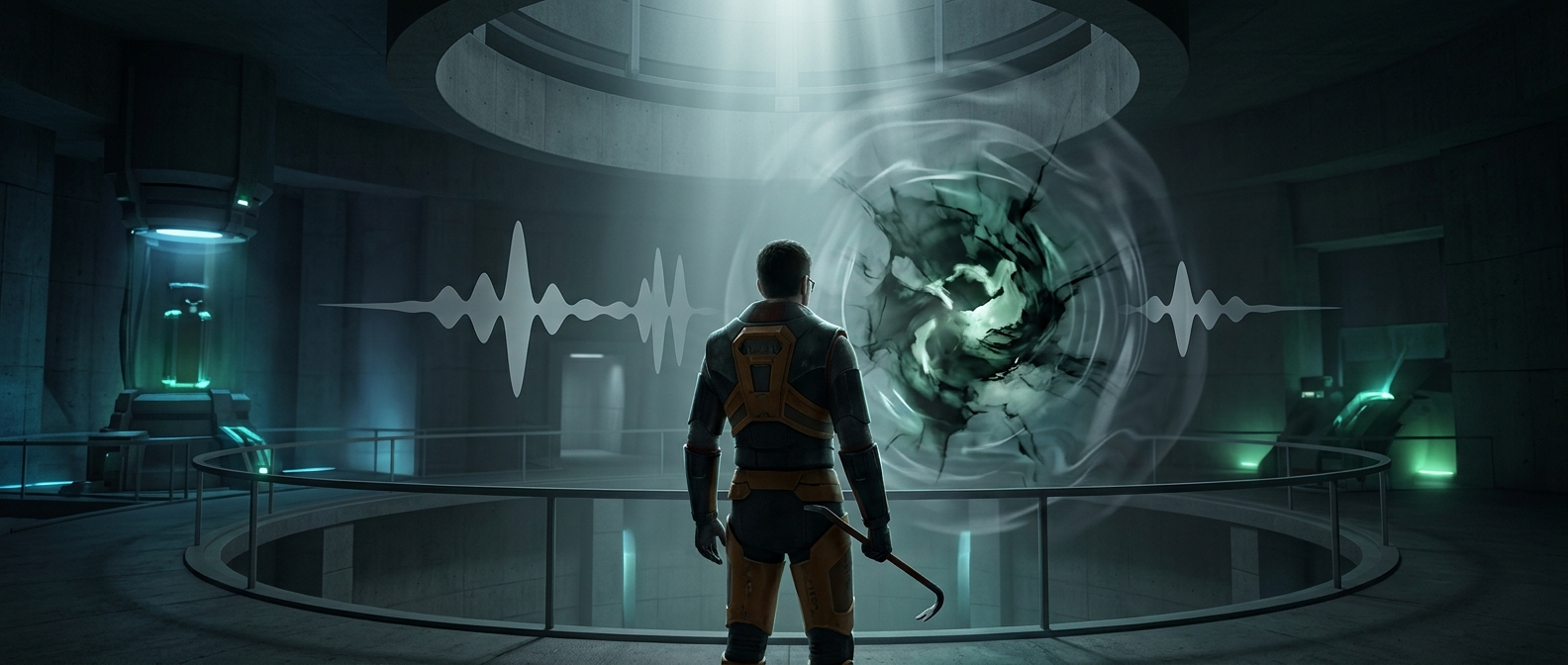
Gordon Freeman is present in nearly every scene of Half-Life, but he never answers anyone. Other characters address him, explain what is happening, or react to the danger; the player supplies no spoken reply. That silence is a design choice, not a sign that Gordon is absent from the story.
Because the game is played from Gordon’s first-person view, the player sees the world through his eyes. Giving him no audible voice—and generally no visible face or personal commentary—keeps attention on what the player is doing and seeing. The character becomes a kind of narrative space the player can inhabit, rather than a personality that constantly competes with the player’s own reactions.
The story moves around his silence
This approach also shapes how the games deliver plot. Scientists, security guards, and other characters speak to Gordon while he moves through the facility and its aftermath. Their dialogue can explain a threat or point toward the next step without cutting away to a separate scene in which Gordon talks. The player can keep moving, watching, and responding as the story unfolds.
The tradeoff is that Gordon cannot express a distinct point of view in conversation. He does not argue, joke, or ask questions aloud, even when the events would invite a response. Other characters’ reactions—and the player’s own actions—carry much of the emotional weight instead.
Silence becomes part of the character
The crowbar is memorable partly because it gives players an immediate, physical way to act in a world where Gordon offers no verbal commentary. But the deeper effect is structural: the game can make the player feel addressed without requiring a voiced performance from its central character. When someone speaks to Freeman, the unanswered pause is not an empty beat; it leaves the response open for the person holding the controls.