Why a Football Crowd Created a Factory Rush
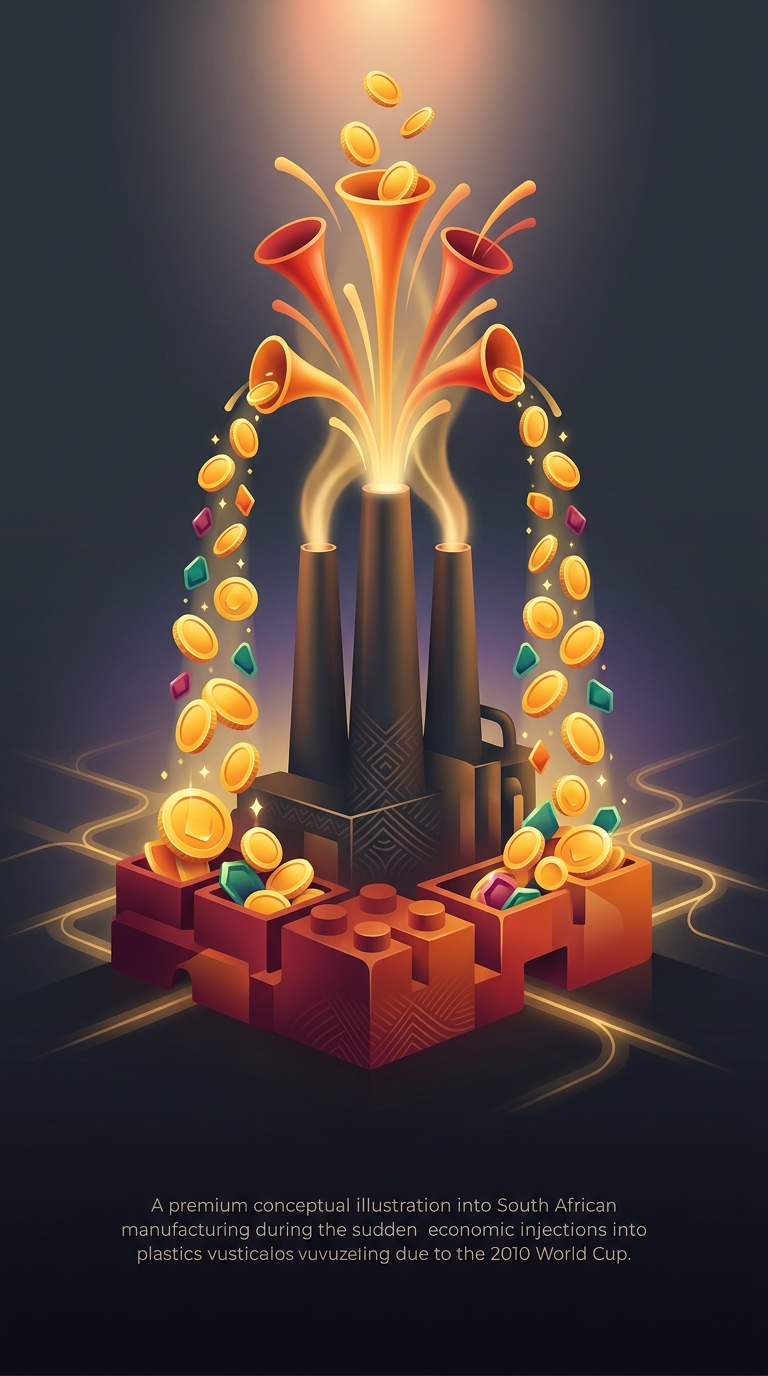
The vuvuzela was an unusually simple product to scale: a hollow plastic body, shaped into a horn, with no electronics or moving parts. That simplicity mattered when demand surged around the 2010 World Cup. Manufacturers could concentrate on producing and assembling a basic item rather than sourcing a complicated set of components.
The event also compressed demand into a short window. Supporters wanted horns while the tournament was underway, not months later, so a late delivery could mean missing the market altogether. For factories, the commercial opportunity came with a deadline: increase output quickly enough to meet a wave of orders before attention moved on.
The Economics of Making More, Fast
A factory can raise output by adding shifts and keeping machinery in use for more hours. That spreads fixed costs—such as equipment and factory space—across more products, while the extra labor, plastic, and energy needed for each additional horn remain direct costs. If orders arrive faster than ordinary production can handle, around-the-clock work can help capture sales that would otherwise go to another supplier or go unfilled.
But a rush is not automatically a lasting boom. Extra shifts bring labor and operating costs, and machinery has limits; production can expand only if manufacturers can obtain enough material and move finished goods to sellers. Once a tournament ends, demand for a souvenir tied to that event can fall sharply. The same urgency that makes a surge valuable also makes it temporary.
A Short-Lived Market with a Lasting Image
The vuvuzela turned a modest plastic object into a highly visible tournament product. Its economic story was less about technological innovation than about timing: a recognizable item, a concentrated global audience, and factories able to respond before the moment passed. For manufacturers, the horns were a reminder that a brief burst of cultural attention can keep production lines busy—but only while buyers still want the sound, and the souvenir, of the event.