A Window Can Make an Office Feel Like a Way Out
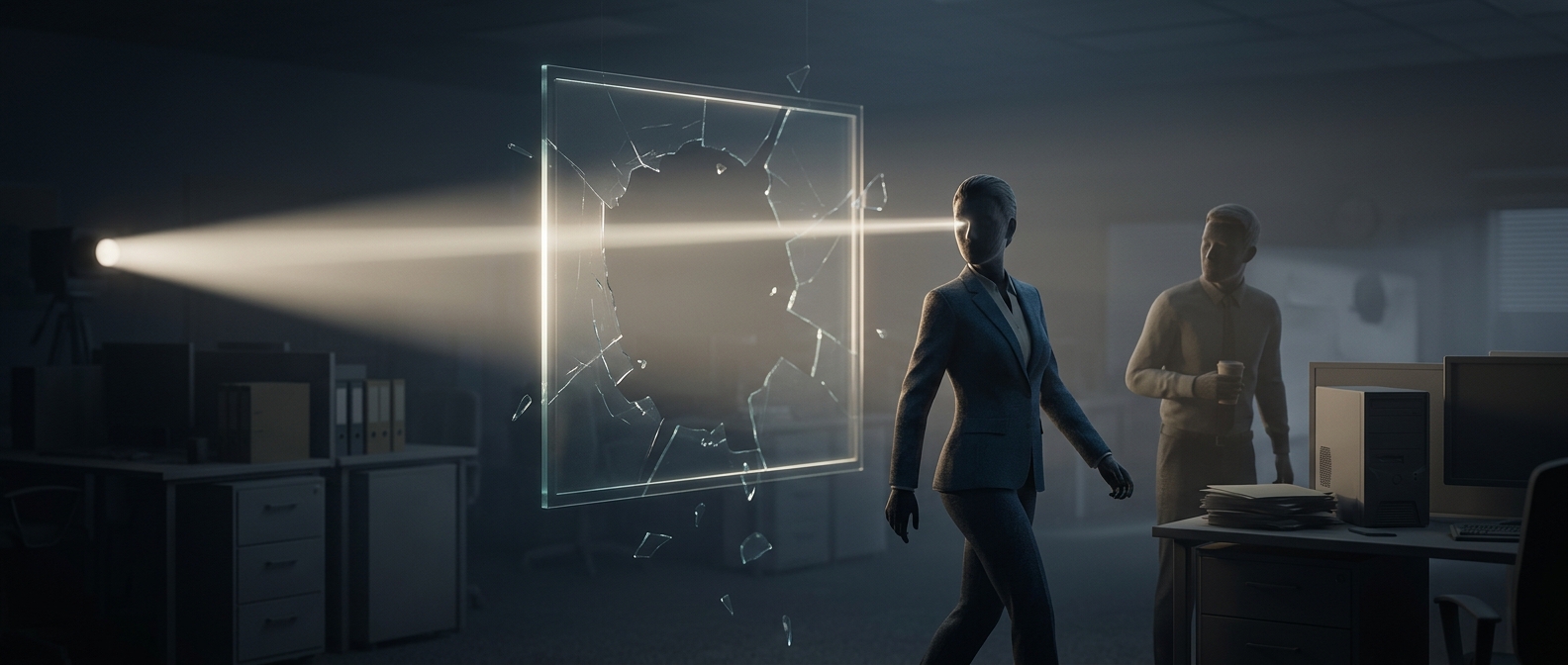
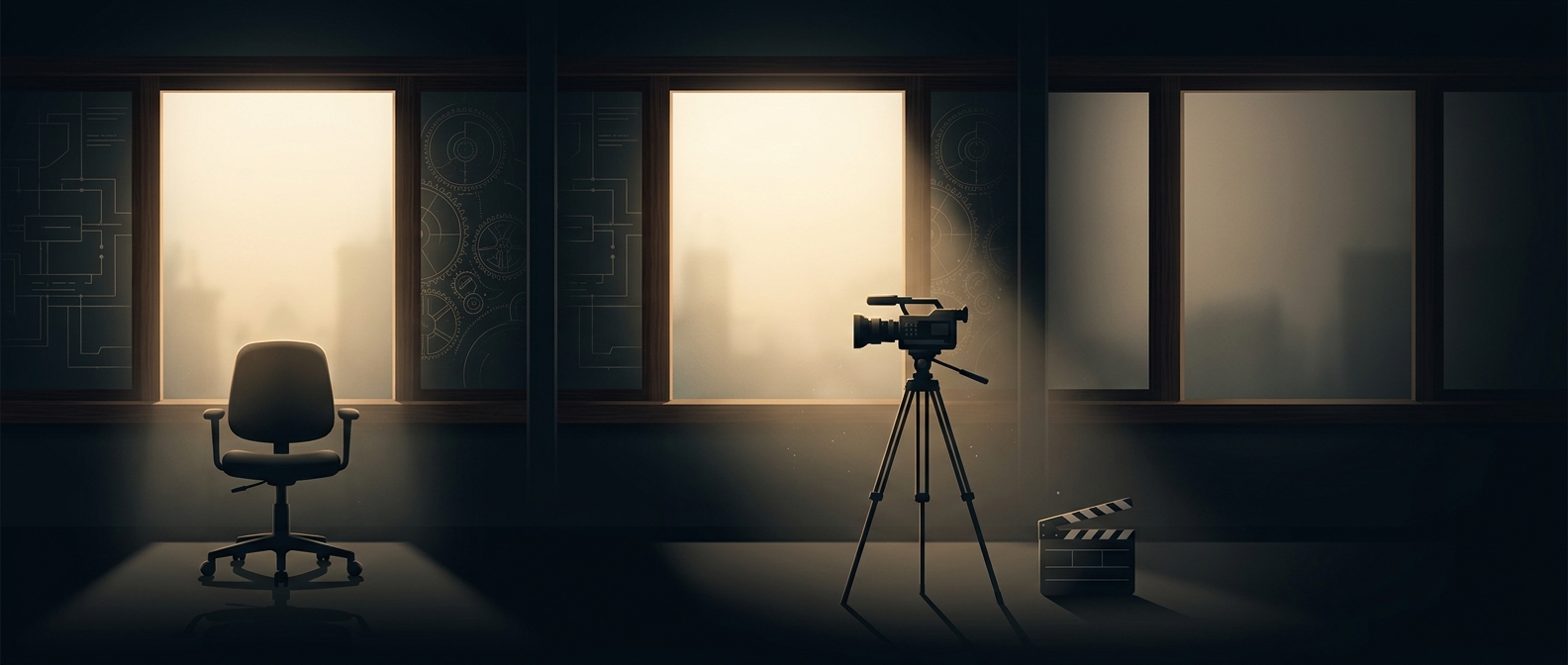
In The Office, a window in the background does more than establish that a scene takes place at work. It gives the frame a second destination: beyond the desks and paper-company routine is a visible world outside. When Jim appears against that view, the composition quietly makes him seem connected to possibilities beyond Dunder Mifflin—even while he is still sitting inside it.
That suggestion is visual, not plot information. The camera does not need to announce that a character might leave; it can place open space and an outside view behind them, making the office feel less like the limits of their story.
Michael’s Blank Wall Tells a Different Story
Michael is framed against an interior wall instead. With no landscape or outside view competing for attention, the image keeps him anchored to the room and the world he has made inside it. The contrast is especially legible in a show where the workplace is both a source of comedy and the center of the characters’ daily lives.
This kind of framing is called visual storytelling: meaning conveyed through what the camera includes and how it arranges people, rather than through dialogue alone. It does not guarantee a character’s fate, but it can prepare viewers to feel a difference in their relationship to the setting. A window makes the office look like one stop in a larger life; a blank wall makes it feel like the whole stage.