The camera became an extra character
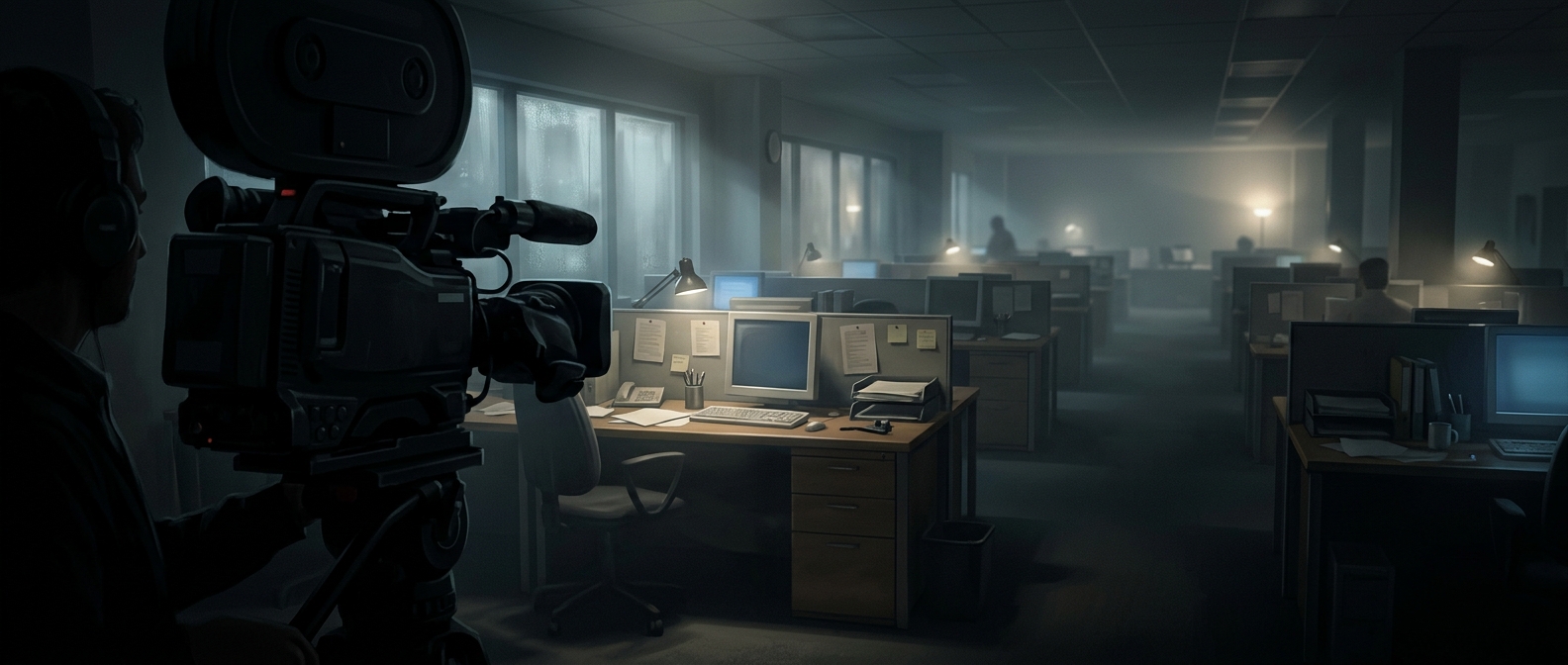
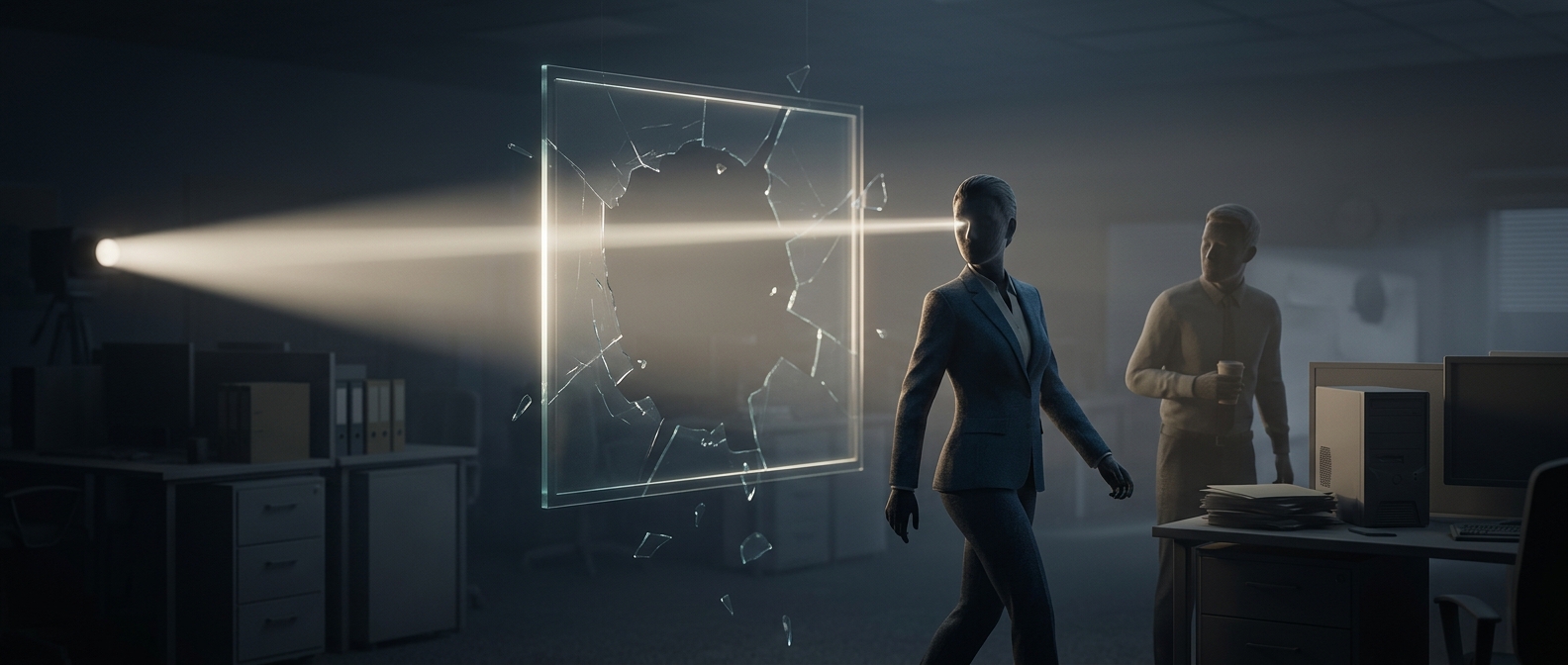
In The Office, the lens is not just recording the employees; it stands in for the documentary crew—and, by extension, the viewer. When someone makes a ridiculous claim or behaves badly, a character can briefly look toward the camera as if to ask, “Did you see that?” No line is needed. The look turns the audience into a silent witness to the scene.
That point of view also fits the show’s mockumentary format: a scripted comedy presented as though a film crew were documenting an ordinary workplace. The camera can seem to catch reactions rather than stage them, giving a glance the feel of an unguarded response.
Why the pause gets funnier
A spoken joke tells viewers where to focus. A camera glance does something subtler: it lets them recognize the absurdity for themselves. The humor comes from the gap between what a character is doing and what another character—or the audience—can plainly see.
Timing matters. A glance that arrives too quickly can feel like an explanation; one that arrives after a beat lets the awkwardness build. The silence becomes part of the joke, and the viewer gets a moment to complete it. That is especially useful in a workplace comedy, where embarrassment, strained politeness, and people pretending everything is normal can be funnier than a punchline.
A small gesture with a big effect
The look also creates a private bond between character and audience. For an instant, the character seems to step outside the scene without actually speaking. The office carries on, but the viewer has been let in on a shared reaction—making a brief glance feel like a punchline delivered in secret.