How a Reception Mix-Up Became Live Television
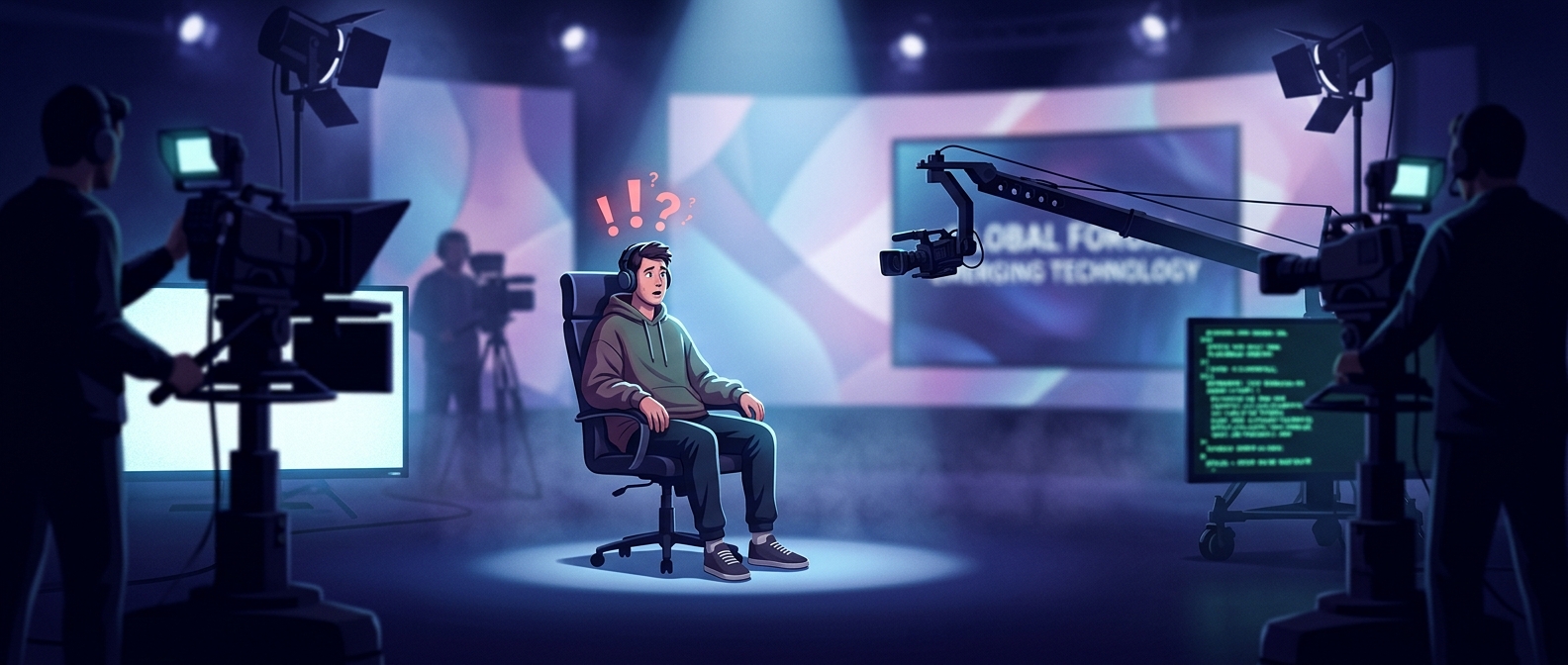
In 2006, BBC News 24 meant to interview technology journalist Guy Kewney about a technology story. Instead, the person brought into the studio was Guy Goma, who had come to the BBC for a job interview. The two men shared a first name, and a failure to match the arriving guest to the intended one carried the mistake all the way to the live broadcast.
That chain matters. Live television depends on quick handoffs among reception staff, producers and presenters. A guest may be identified in a hurry, then ushered to the studio while the newsroom is focused on timing and the next segment. If nobody pauses to verify who has arrived, a small administrative error can become an on-air problem before there is a natural break to fix it.
Why the Interview Kept Going
Once the presenter began asking questions, Goma faced a choice with no comfortable option: interrupt the broadcast to say he was not the intended guest, or try to answer in front of a national audience. He did not correct the mistake, and the interview proceeded. From the viewer’s perspective, the basic cues of a news interview—a studio, a presenter and questions delivered confidently—made the encounter look official, even though the guest had not been booked to discuss the subject.
The episode exposed a useful weakness in live broadcasting: the format can make an unverified assumption look authoritative. A calm presenter and a running camera do not prove that the right person is speaking. Behind the polished appearance, the show still relies on ordinary processes of identification and communication, and those processes can fail under time pressure.
The Human Cost of a Production Error
For Goma, the confusion was not a planned performance. He had arrived expecting a job interview and was suddenly expected to respond as an expert. The moment became memorable because the mismatch was visible in real time: the audience could see the gap between the role the broadcast assigned him and the reason he was at the BBC.
It is a reminder that live television’s most revealing moments are sometimes produced not by a script, but by a routine handoff that nobody stops to check.