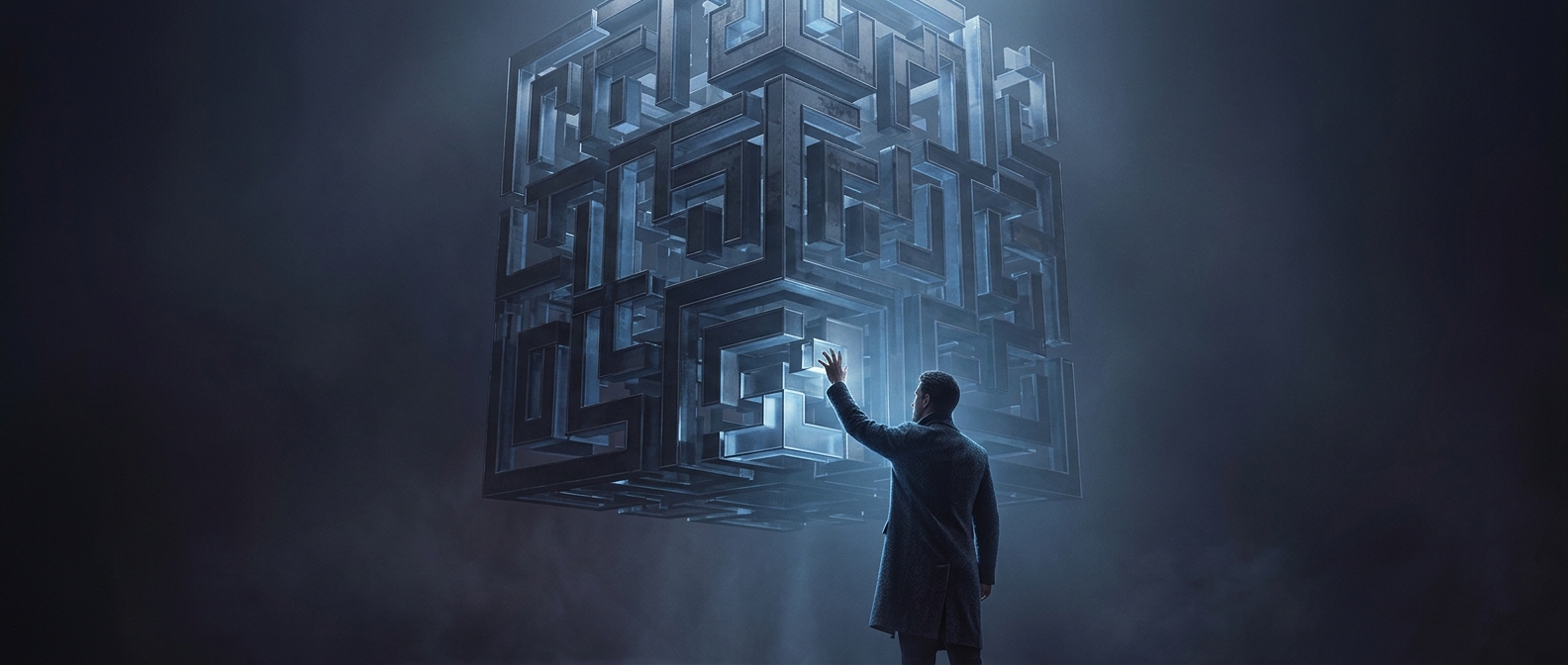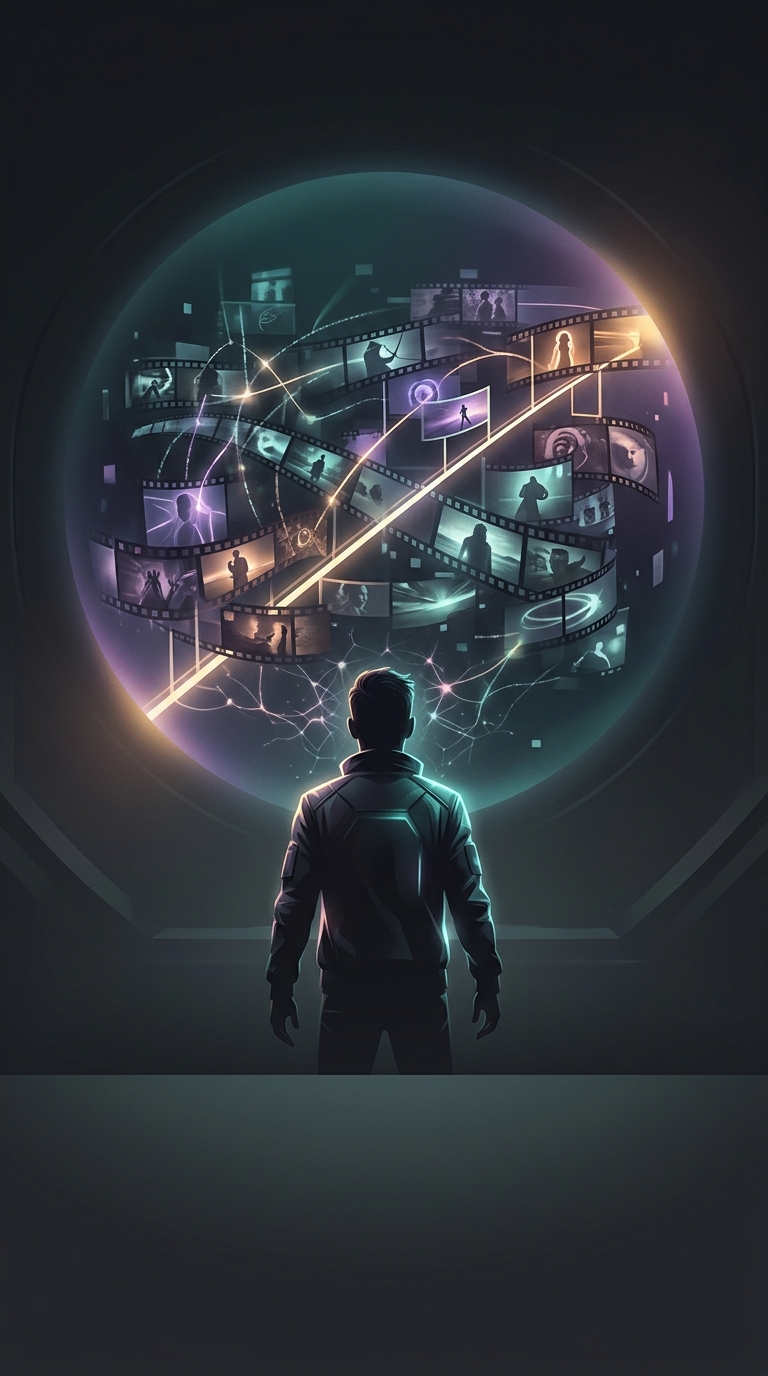
The ending changes how the clues look
Once a twist is revealed, the story you remember is no longer quite the story you watched. The outcome gives earlier scenes a new interpretation: a suspicious glance becomes evidence, an odd line sounds like foreshadowing, and details that seemed irrelevant fade from view. Psychologists call this hindsight bias—the tendency to see an outcome as more predictable after learning that it happened.
The shift is often subtle. Before the reveal, a clue competes with many possible explanations. Afterward, one explanation stands out, and the clue seems to point directly toward it. The ending supplies a coherent pattern, making it harder to recall how uncertain the possibilities felt at the time.
Memory favors the story that makes sense now
This is not necessarily deliberate boasting or a lie. Memory is reconstructive: when people recall what they expected, they may rebuild the past using what they know now. They also tend to retrieve confirming clues more easily than the alternatives they considered—or never considered. A viewer may remember thinking a character was “off” while forgetting that several other characters seemed equally suspicious.
That reconstruction can inflate confidence. “I noticed something strange” gradually becomes “I knew exactly what was coming.” But recognizing a clue after the reveal is different from predicting the twist beforehand. A genuine prediction has to narrow the possibilities before the answer is known.
Why storytellers can make twists feel inevitable
Good foreshadowing often works in both directions: it can be overlooked on a first viewing, then feel meaningful once the ending gives it context. That satisfying click is part of the craft. It also creates ideal conditions for hindsight bias, because the twist makes scattered details feel like a deliberate trail.
A useful test is to name the predicted outcome and the clues before the reveal, rather than relying on the feeling that it was obvious afterward. If the prediction was never specific enough to be wrong, the confidence may belong more to the remembered story than to the original viewing.