A border that people cannot freely cross
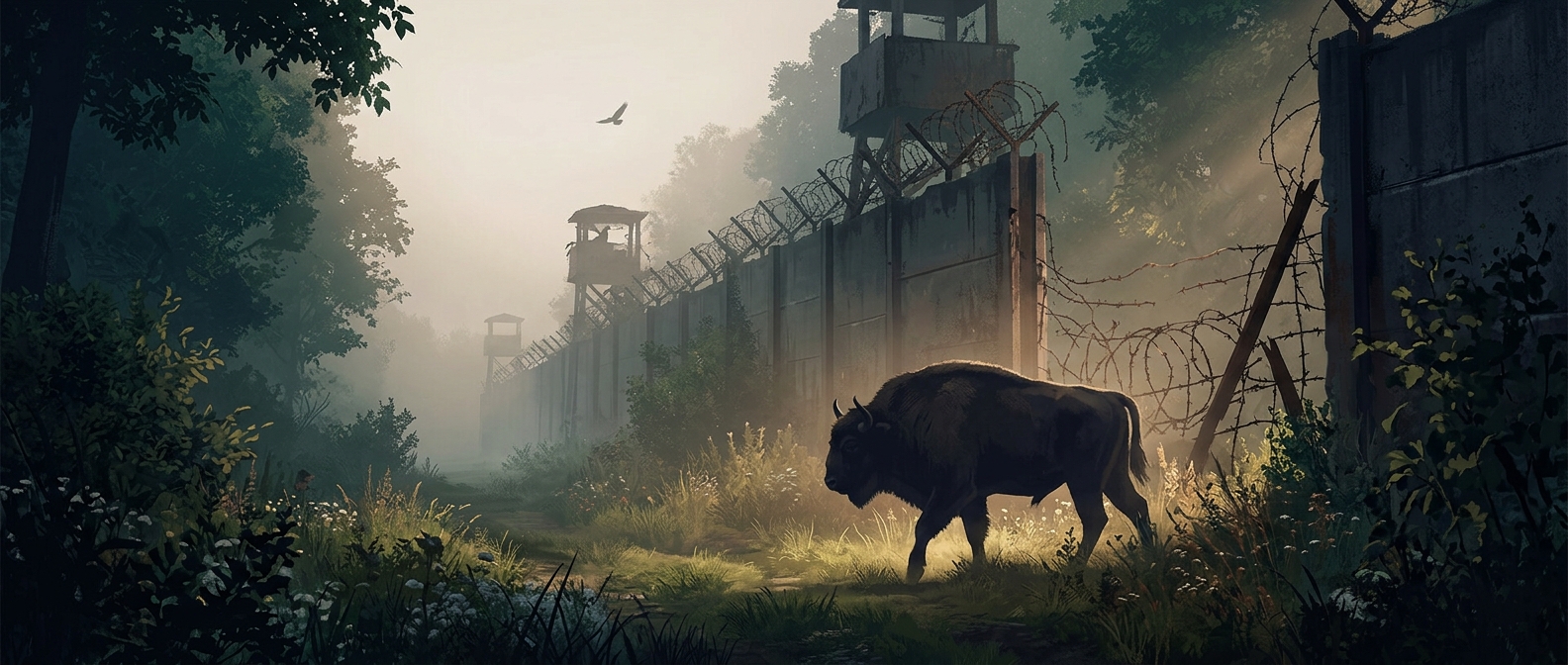
The Korean Demilitarized Zone is not an ordinary park or an empty strip of land. It is a heavily guarded buffer between North and South Korea, with minefields and restricted access that make much of it dangerous for people to enter. Those barriers have also limited farming, construction, and other everyday disturbances across areas that might otherwise have been developed.
Why cranes benefit
Wetlands, rivers, grasslands, and wooded slopes within and around the zone provide food and shelter for wildlife. In particular, the area offers important winter habitat for endangered cranes, including red-crowned and white-naped cranes. They can forage in open fields and wetlands while resting in quieter places nearby—a combination of feeding grounds and refuge that is increasingly hard to find in densely used landscapes.
The zone is not uniformly untouched: military activity and nearby development still shape its habitats. But restricted human access has allowed some places to remain unusually intact, giving wildlife room to persist. Rare mammals, including leopards, are associated with the region’s wildlife story, though the clearest lesson is the broader one: a barrier built to keep people apart can also leave a rare stretch of habitat largely beyond their reach.
An accidental refuge
That protection comes at a severe human cost. The same mines and security controls that discourage entry make the area hazardous and prevent it from functioning like a conventional nature reserve. Its wildlife haven is therefore accidental—not a conservation plan, but a consequence of a border that remains difficult and dangerous to cross.