Sleep loss affects more than how tired you feel
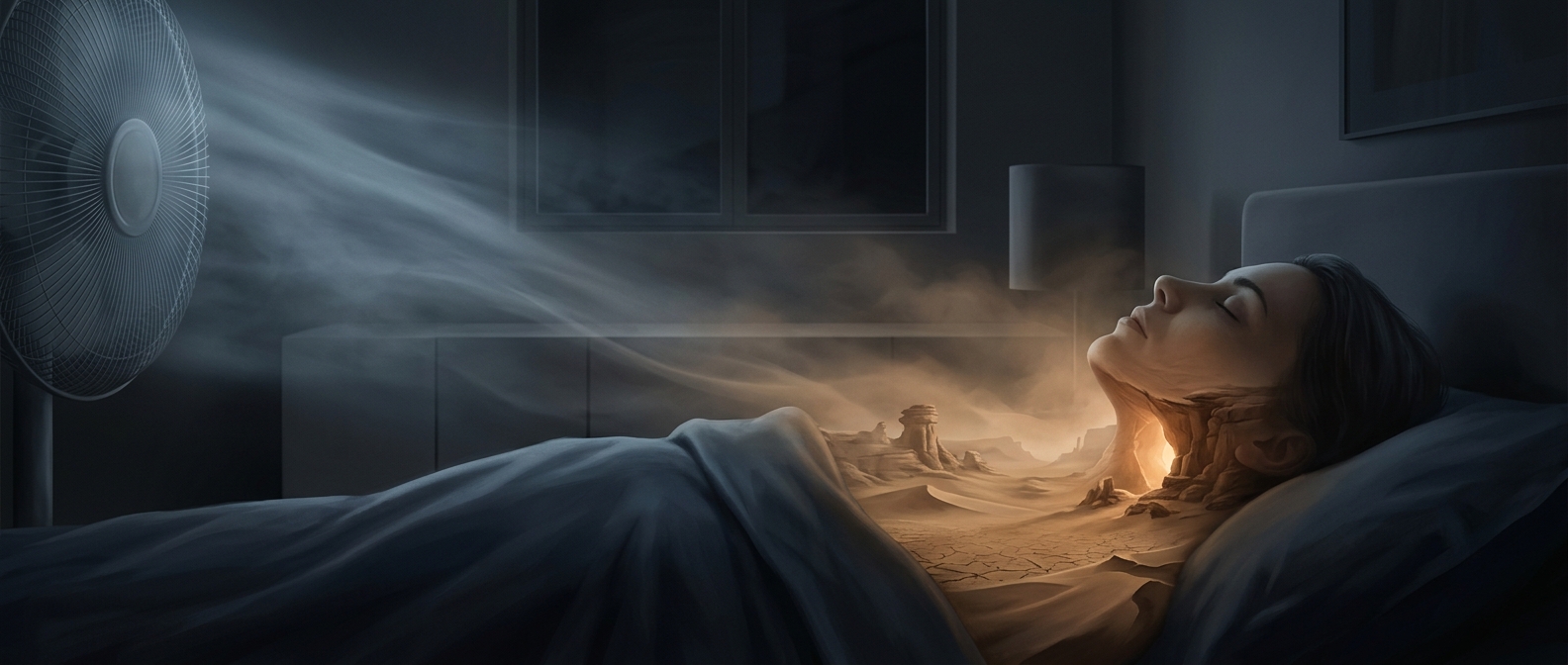
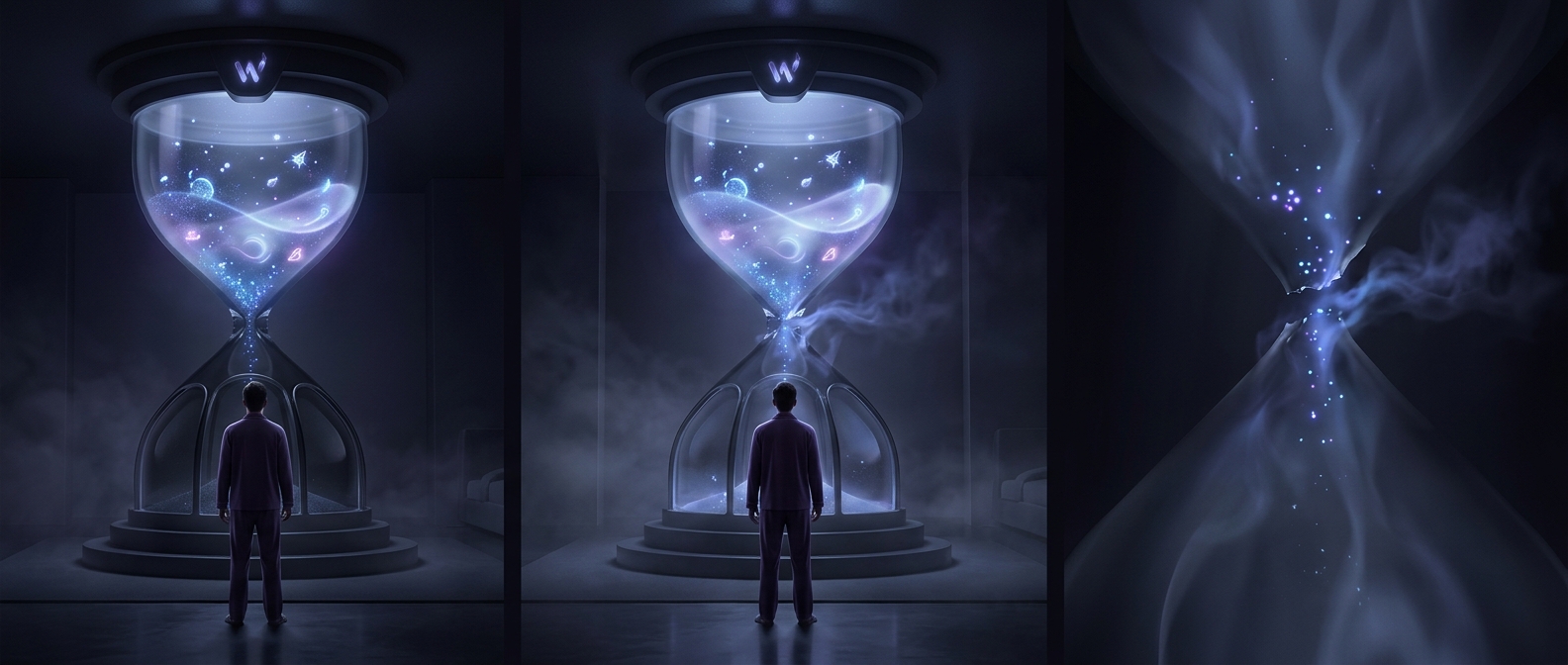
During waking hours, the brain builds up sleep pressure—the drive to sleep that rises the longer you stay awake. A short night leaves some of that pressure unpaid, so a long lie-in can help you feel better. But sleep also supports attention, reaction time, and other mental functions; feeling refreshed does not necessarily mean every effect of repeated short nights has disappeared.
Why a Sunday lie-in can backfire
Sleep is guided by both sleep pressure and the body’s internal clock, which helps set when you feel alert or sleepy. Sleeping much later than usual can push your schedule later: you wake later, encounter daylight later, and may not feel ready for bed at your normal time. That makes it harder to return to an early weekday bedtime, even if you spent extra hours in bed.
The result can be a cycle of late nights and difficult mornings. A single long sleep may ease immediate fatigue, but it cannot reliably restore a steady rhythm after several nights of too little sleep. Keeping wake-up time closer to your usual schedule—and allowing enough sleep on the nights that follow—makes it easier for sleep pressure and the body clock to work together.