How a Highway’s Side Road Takes the Pressure Off
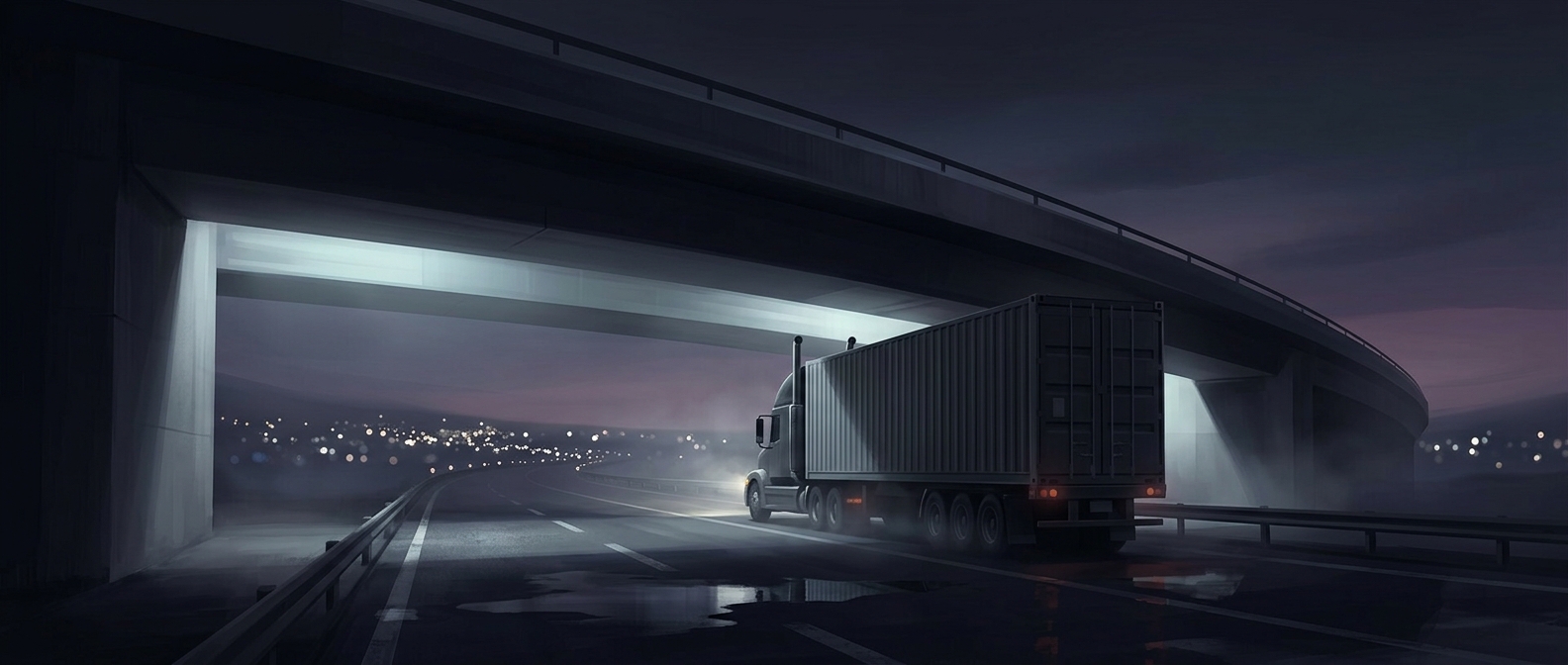
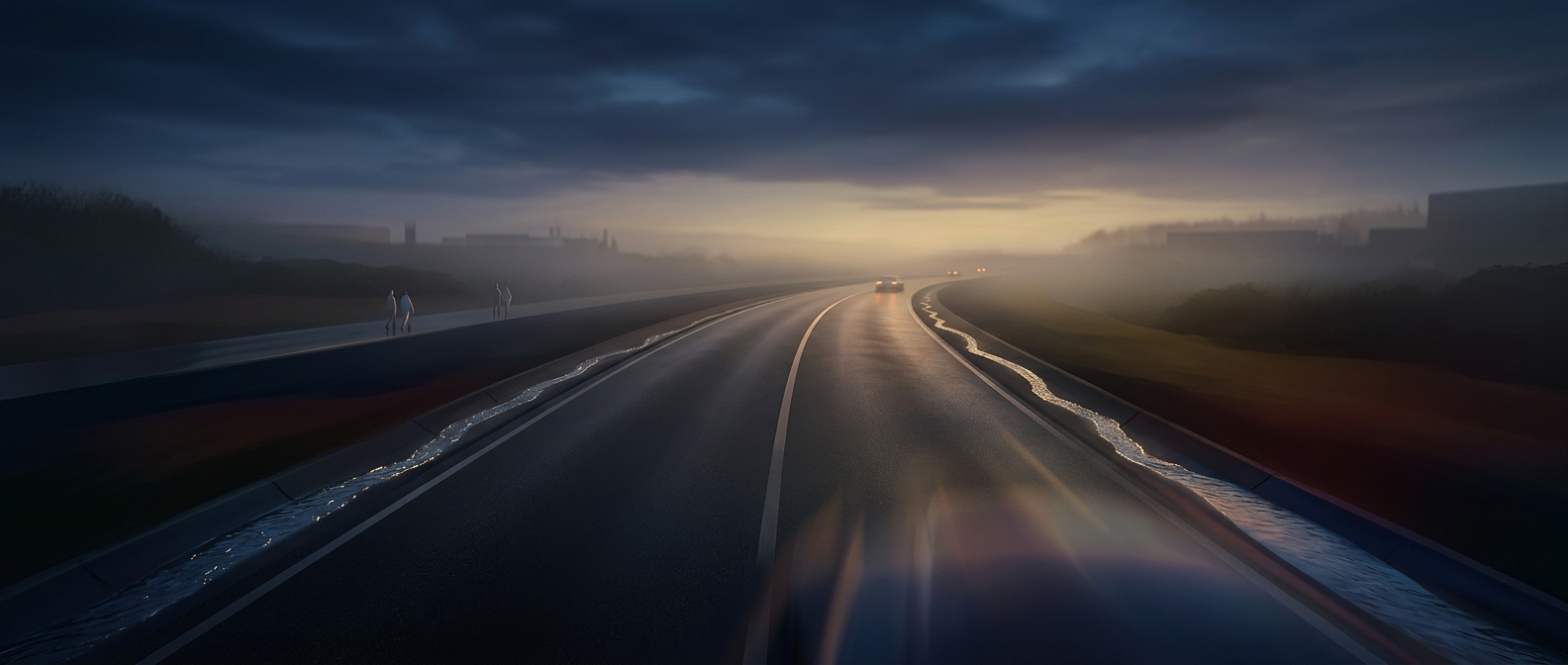
A frontage road—also called a service road—runs alongside a highway and gives nearby destinations a separate way in and out. Instead of turning directly off the fast-moving highway to reach a shop or neighborhood street, a driver exits onto the frontage road, then makes the local turn there.
That separation matters because highway traffic is meant to keep moving. A driveway or intersection added to the main lanes creates places where drivers must slow, change lanes, or stop. Gather those access points on a parallel road, and the highway can have fewer interruptions while local trips still reach the businesses beside it.
The Tradeoff: Access Versus Space
Frontage roads do not eliminate traffic; they shift some of it to a lower-speed street. Drivers may need to travel farther or make extra turns to reach a destination, and the parallel road itself can become busy. The arrangement also takes room: the highway, frontage road, and connecting ramps all need space, which can shape how nearby land is developed.
For businesses, that extra road can make highway-adjacent locations reachable without putting a driveway in the highway’s path. For through-drivers, the benefit is fewer direct conflicts with local access. The design works by giving two kinds of trips—long-distance travel and nearby errands—different roads to use.