Why a dead-end street has a bulb at its end
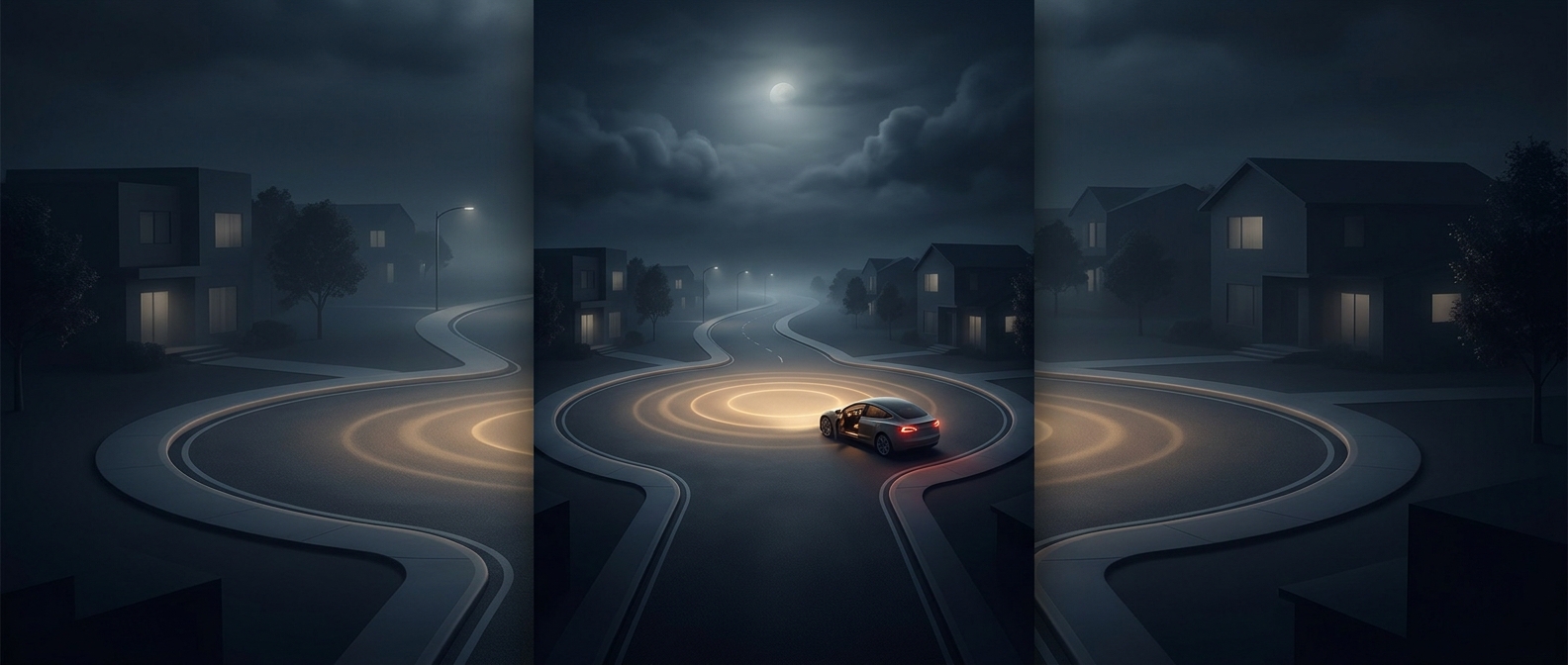
A cul-de-sac is designed around a simple tradeoff: keep ordinary through traffic out, while still letting vehicles reach the homes on the street. The circular or widened end gives cars room to turn around instead of requiring drivers to reverse the full length of a narrow road. Its exact shape depends on the street layout and the vehicles it must accommodate; a delivery truck or fire engine needs more turning room than a passenger car.
Less traffic, fewer direct routes
Because the street does not connect to another route, it is harder to use as a shortcut. That can mean fewer passing cars and less traffic noise for homes along it. But the same layout makes trips less direct: residents and visitors usually have to return to the street they came in on, even when a destination lies close by on the map.
This is the larger planning choice behind the dead end. A connected street grid gives people and vehicles more ways through an area; cul-de-sacs trade some of that connectivity for a quieter, more enclosed residential street. The road is not unfinished—it is deliberately shaped to limit where traffic can go.