How Two Separate Rules Start Feeding Each Other
Corruption changes the Ironclad’s skills—cards used for defense or other utility—so they cost no energy to play, then exhaust them. To exhaust a card is to remove it from the fight rather than discard it for possible reuse. The payoff is immediate: a hand full of skills can suddenly be played without spending the energy normally needed for them.
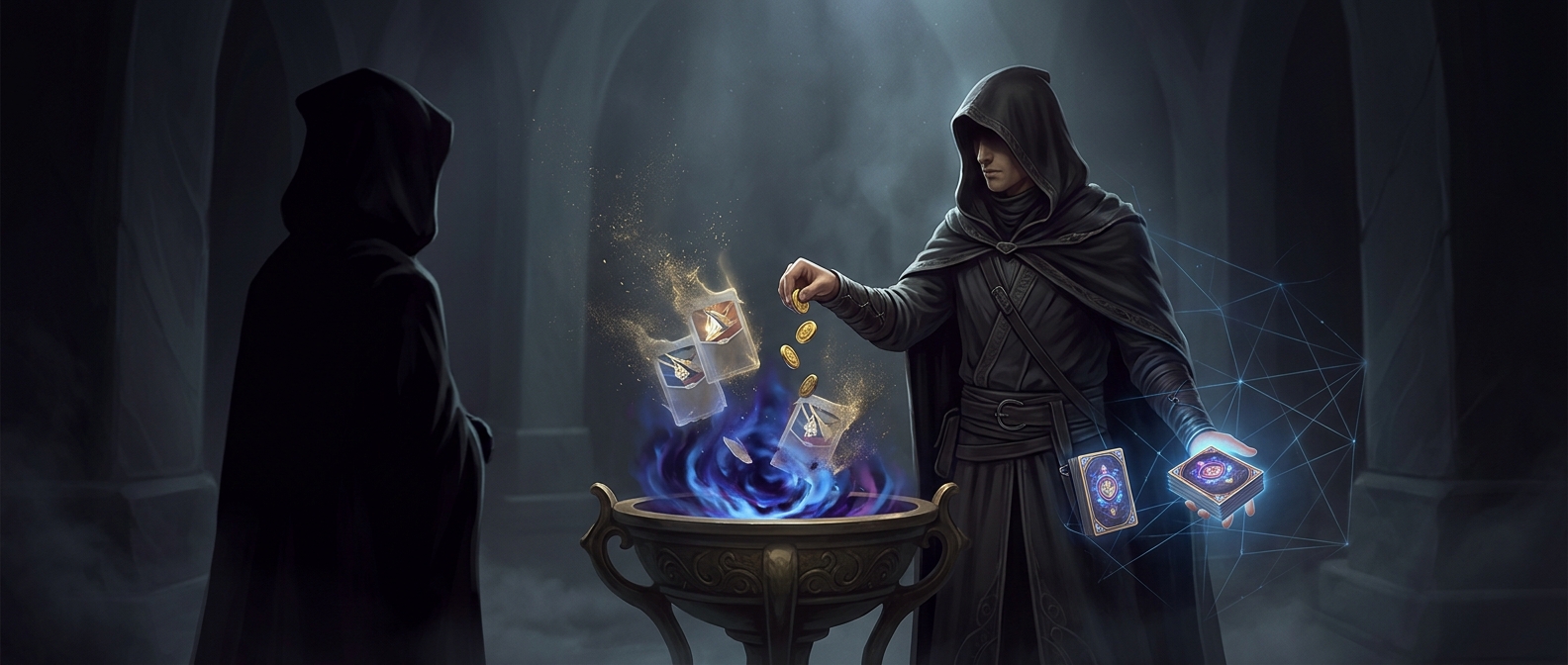
Dead Branch turns that removal into a new opportunity. Whenever a card is exhausted, the relic adds a random card to your hand. With Corruption active, a skill played for free can therefore produce another card; if that card is also a skill, it too costs nothing and can trigger Dead Branch again. Each play can replace itself and keep the chain moving.
Why the Combo Feels So Chaotic
The engine does not hand the player a reliable sequence. Dead Branch’s cards are random, so a new draw might be a free skill, an attack with an energy cost, or a card that does not help the current situation. The player has to inspect each result and decide whether to use it, while the battle changes around them.
That uncertainty is part of the appeal: Corruption supplies the fuel, but Dead Branch decides what comes next. A defensive card that would normally be saved for a dangerous turn becomes both a useful effect and a chance at another play. The strategy shifts from conserving a carefully planned hand to making the most of whatever the relic produces.
A Powerful Engine, Not a Guaranteed Infinite Loop
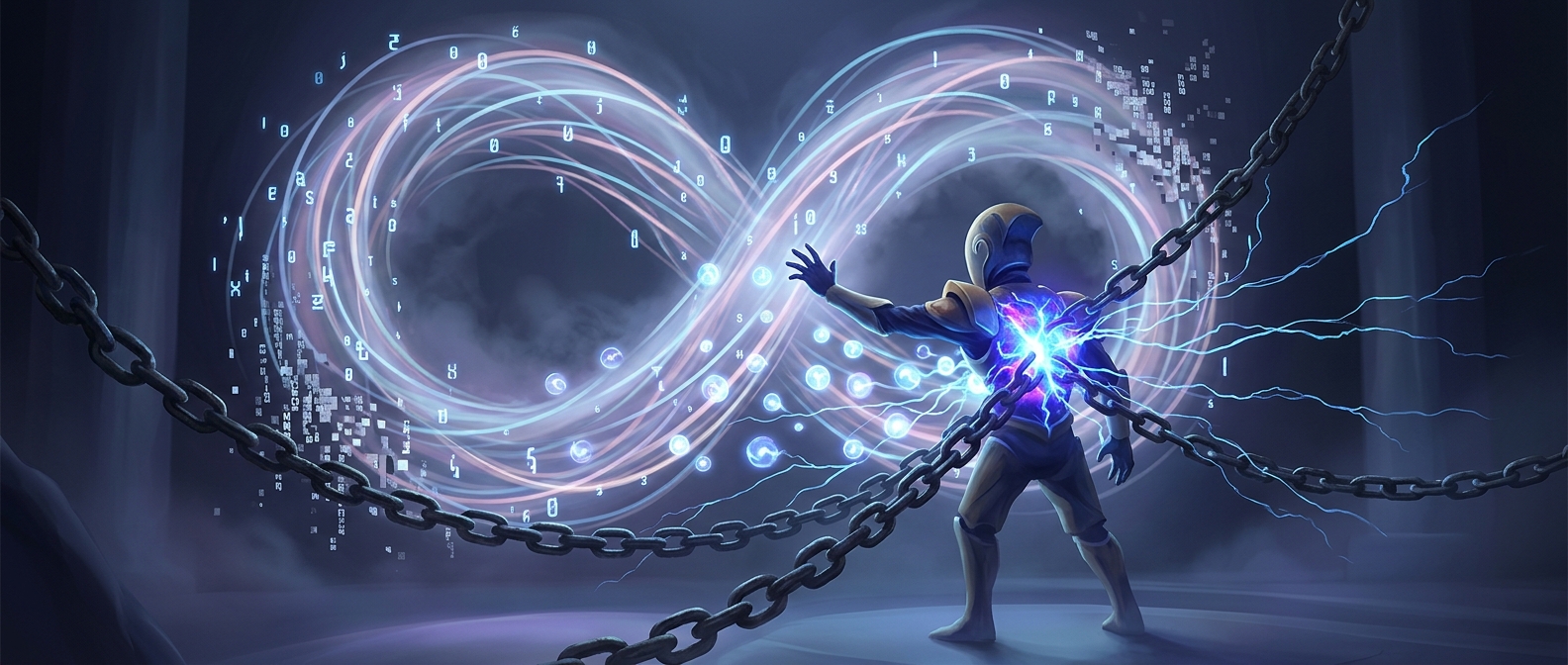
The chain can run out of useful cards or stall when the generated options do not fit. The hand also cannot grow without limit, and non-skill cards may still require energy. So the combination is not literally endless—but when the random results cooperate, it can turn one defensive play into a rapid cascade of free actions and fresh options. That swing from careful resource management to improvisation is what makes the pairing so memorable.