When a deck stops asking its player for choices
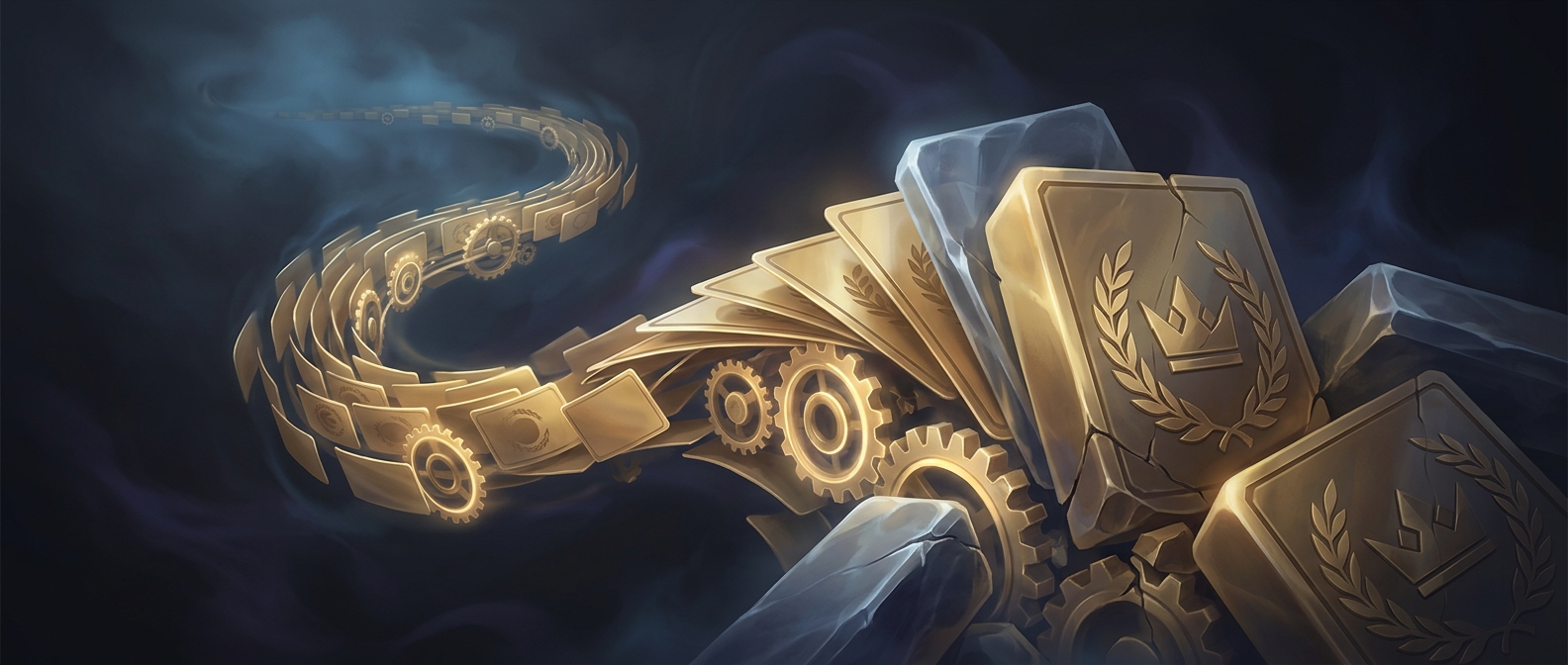
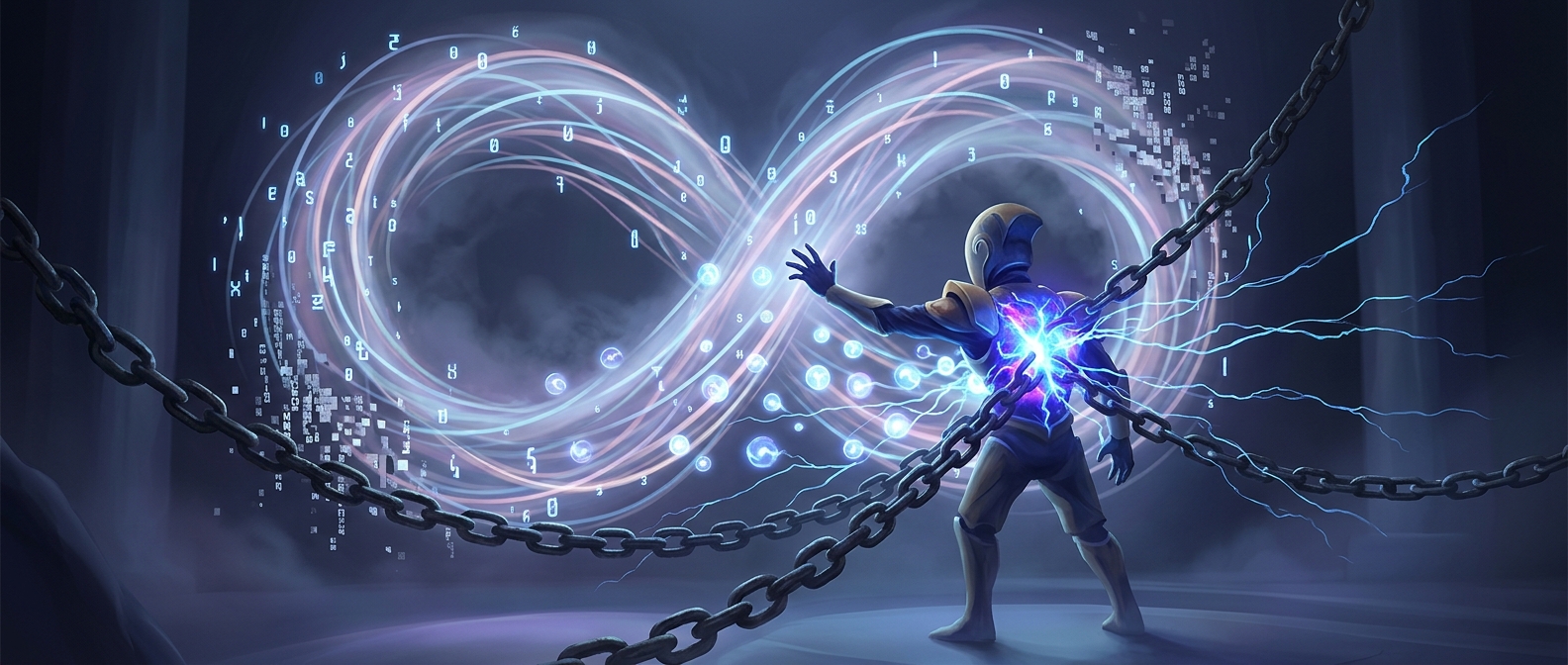
In Slay the Spire, the Defect’s Orbs can do more than deal damage or provide defense: card effects can generate energy, draw more cards, and trigger additional effects. If those pieces feed one another quickly enough, a player can keep taking actions without running out of energy or cards. The result is an infinite loop—a sequence that can repeat instead of ending naturally when the turn’s resources run dry.
That is powerful, but it changes what a turn feels like. Normally, a player has to choose which cards to spend limited energy on and accept that some useful cards may remain out of reach. A loop that supplies its own fuel and keeps finding more cards can remove those decisions. The deck no longer presents a puzzle so much as carries out a script.
Why the limit matters in a one-life run
The game’s run structure gives those choices weight: a defeat ends the run, so each turn’s risks and resources matter in the context of a larger climb. An early loop can flatten that arc. If a deck can keep going before the player has faced much danger, later encounters may feel less like tests of judgment and more like formalities.
Capping some card-draw and energy-generation effects addresses that problem at the point where the loop is built. It does not mean the Defect cannot assemble strong combinations; it means the pieces cannot feed one another without limit. Players still get to make powerful turns, but must weigh what to play and what to save.
That distinction is central to balancing a roguelike: power can make a run exciting, while power that removes decisions can make the rest of the run feel already decided.