Why a jet suit needs the pilot’s whole body
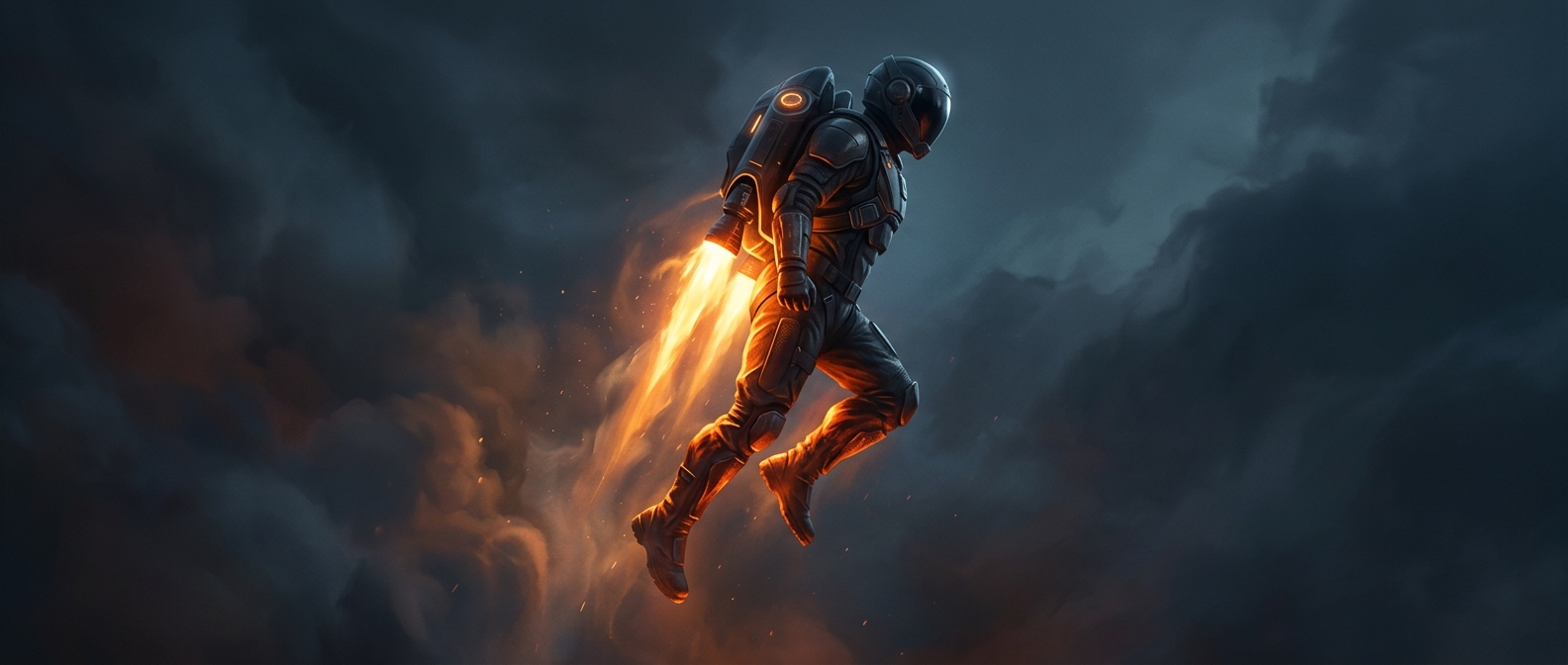
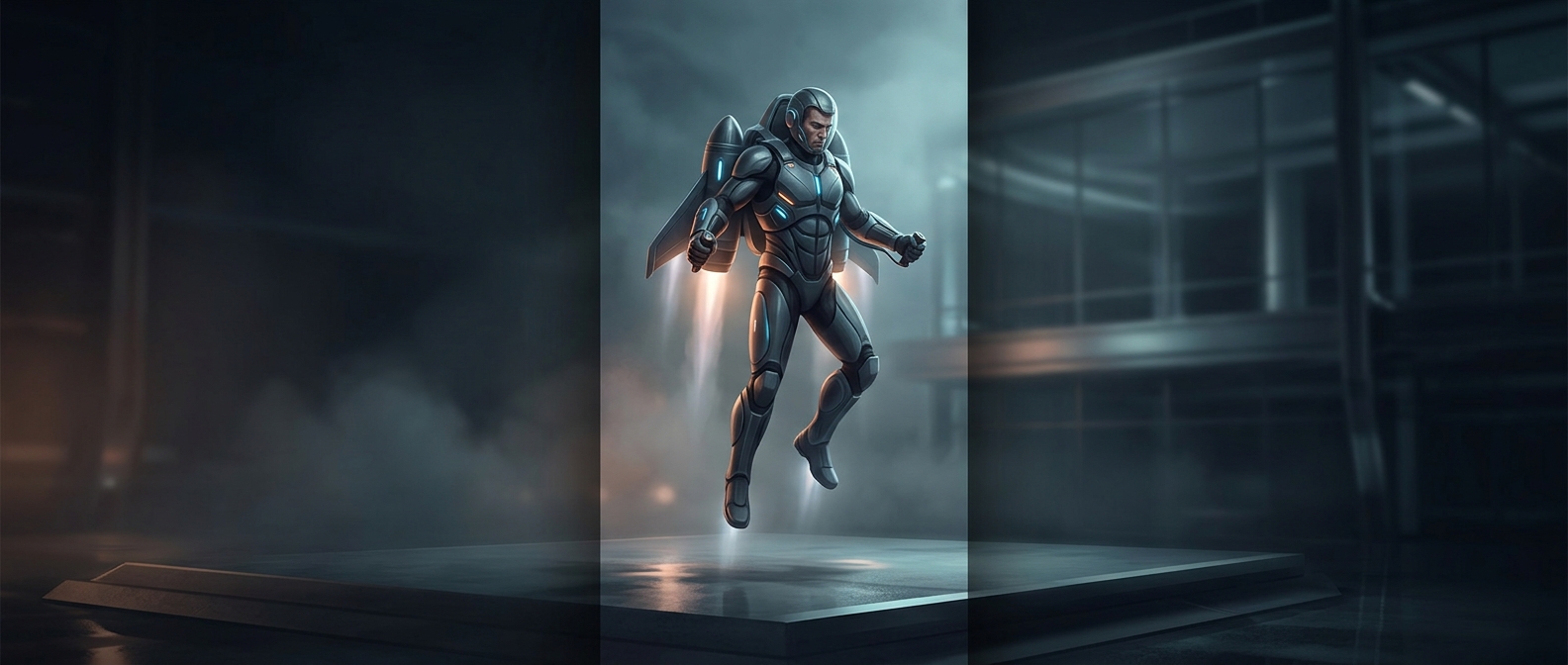
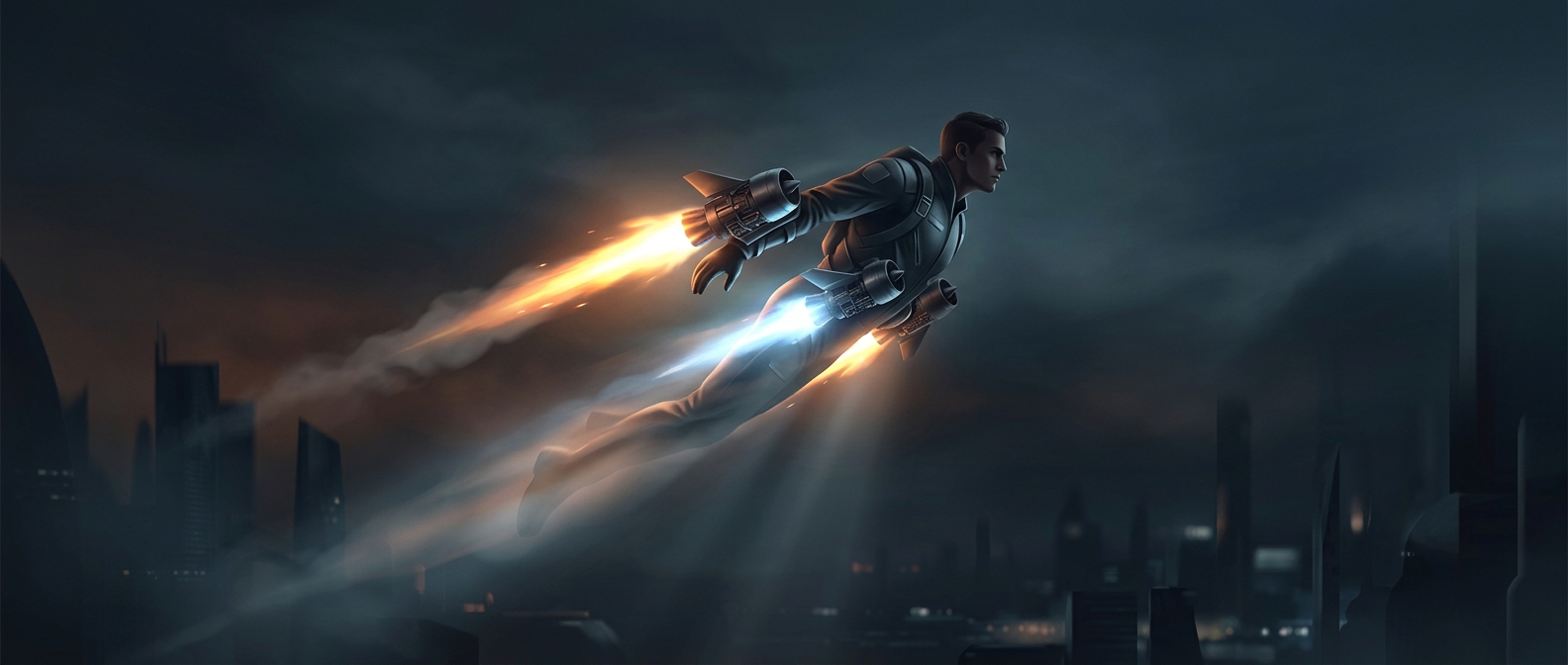
A jet suit has no wings to provide lift or a tail to keep it pointed straight. Instead, its turbines produce enough upward thrust to support the pilot, while the pilot’s posture helps keep that force balanced. The body is both the payload and part of the flight-control system.
That makes steering a continuous balancing act. If the thrust from one side differs from the other, or points slightly off-center, the pilot begins to tilt or drift. The pilot adjusts the arms and torso to redirect the push and counter the movement. Small corrections matter because the pilot cannot simply coast on wings while deciding what to do next.
Control comes with a tradeoff
In a conventional aircraft, a pilot uses separate controls to change the plane’s path; the engines mostly provide forward power. A jet suit combines those jobs. Its thrust supports the pilot and helps steer, so a change in the direction of the jets also changes balance. The control method is direct, but it demands coordination and leaves little room for relaxed, hands-off flight.
The arrangement also puts the engines close to the person they are supporting. The pilot must manage not just direction but a stable body position while the turbines are running. In practice, that makes a jet suit less like a tiny airplane and more like an airborne balancing task: the same movement that guides the flight can also disturb it.