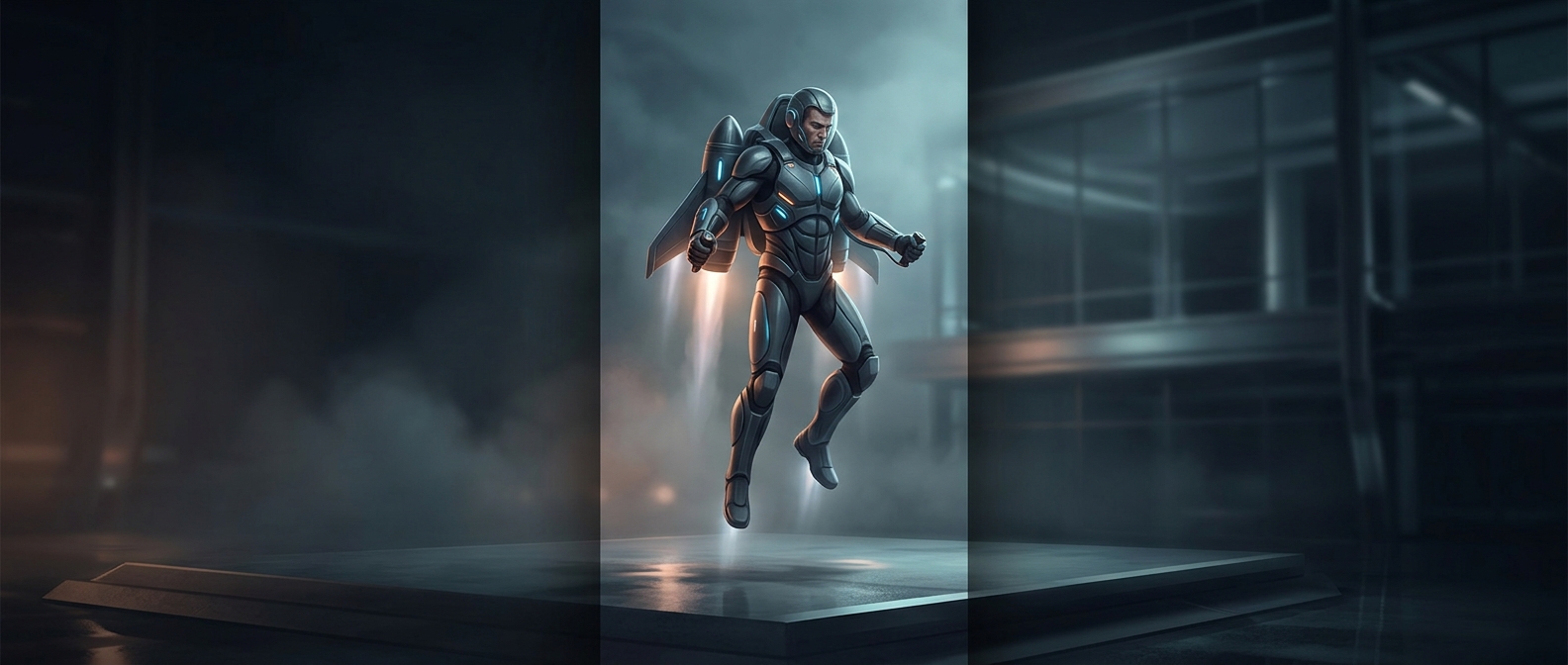
Why a small arm movement can change the whole flight
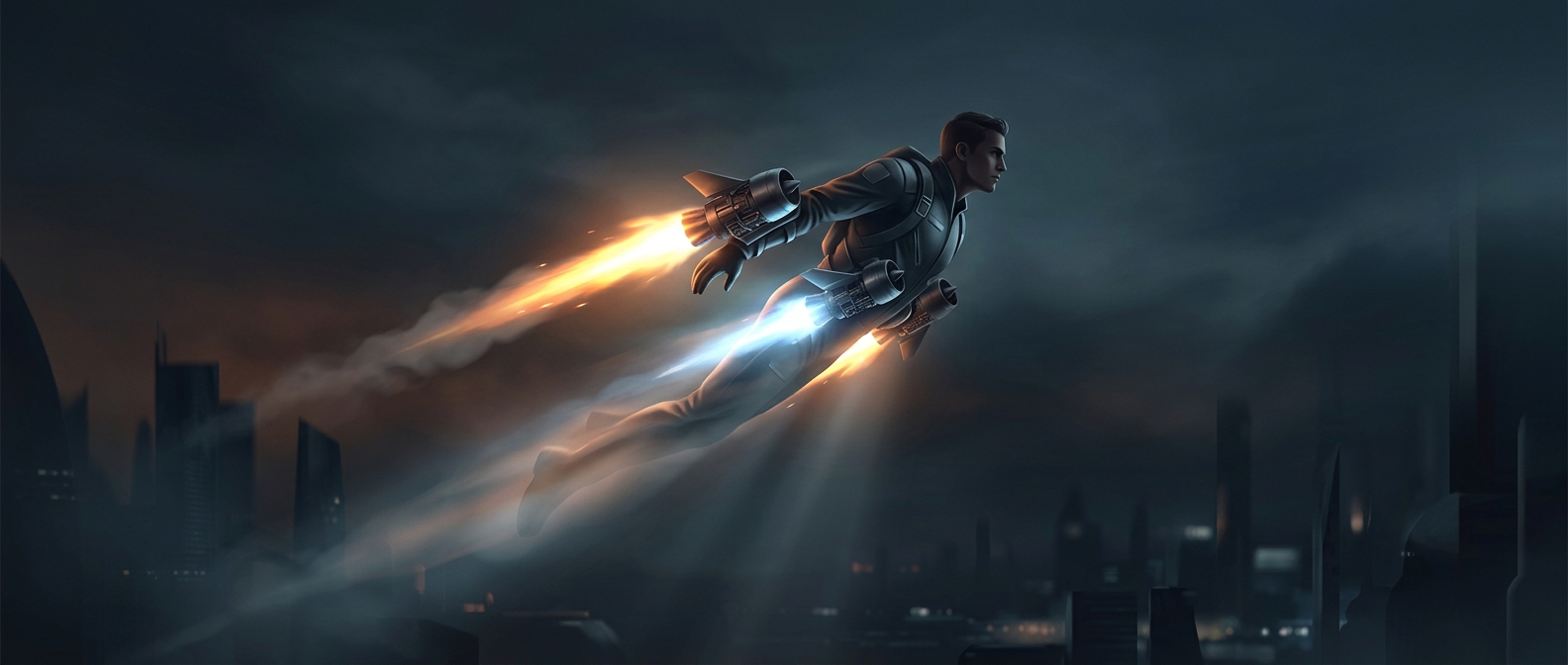
In an arm-mounted jet suit, the pilot’s hands are not just along for the ride: they help aim the thrust. Each turbine pushes exhaust downward, and the resulting force pushes the pilot upward. Tilt an arm-mounted engine, and some of that force now points sideways instead. That sideways push can shift the pilot’s position or start a turn.
The pilot therefore has to hold the arms in a deliberate position while the suit is producing powerful thrust. If one arm moves differently from the other, the engines’ forces no longer balance in the same way. The pilot must adjust posture and arm position to keep the suit pointed where intended.
Strength is only part of the control system
Upper-body strength helps keep the arms raised and steady, but flight also demands coordination. The pilot is managing several directions of force at once, making small corrections while trying not to introduce unwanted movement. In that sense, the suit’s controls are unusually direct: changing the angle of an engine changes the direction of its push.
That directness is also a constraint. A control input that begins as a movement of the arm can alter the suit’s balance as well as its path. The pilot must guide the turbines without letting their changing thrust destabilize the body. The practical challenge is not simply lifting the arms; it is keeping them controlled while they serve as part of the aircraft’s steering system.