Why a Small Mistake Can Become an Impact
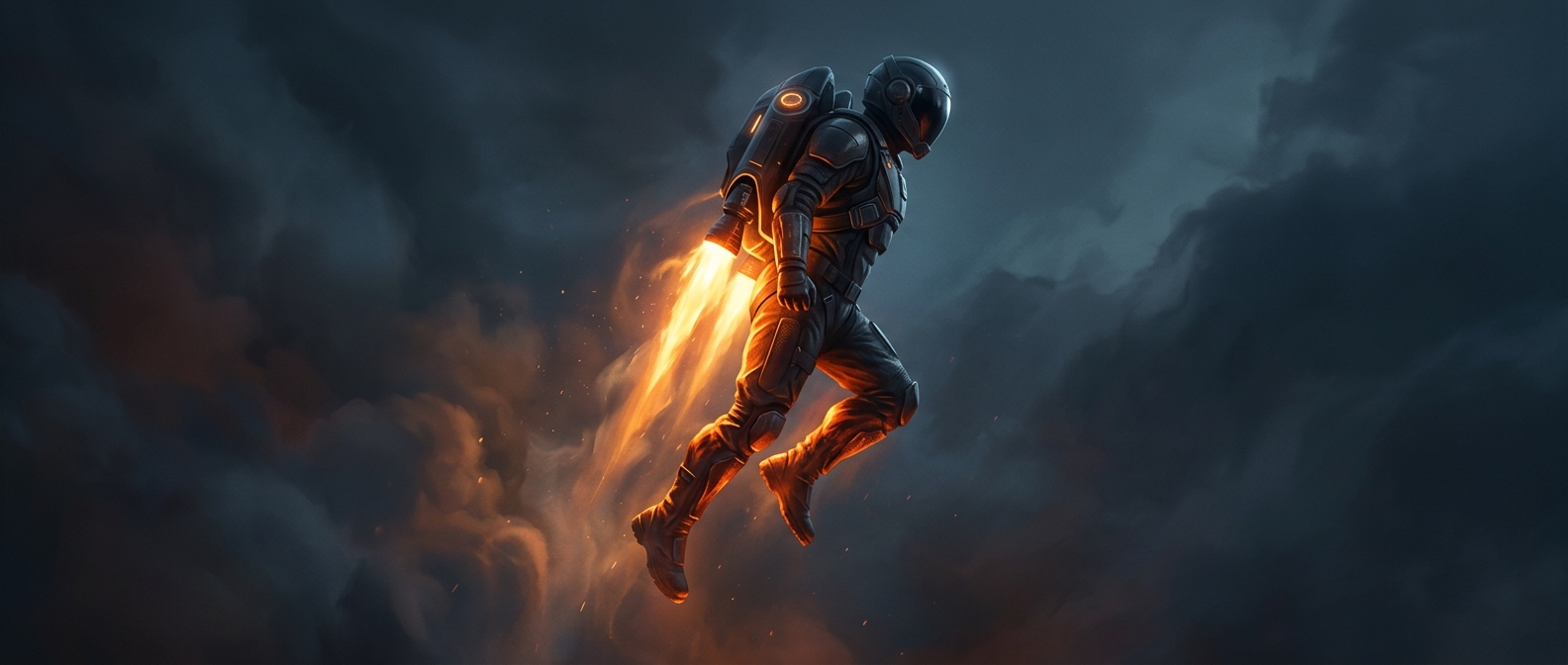
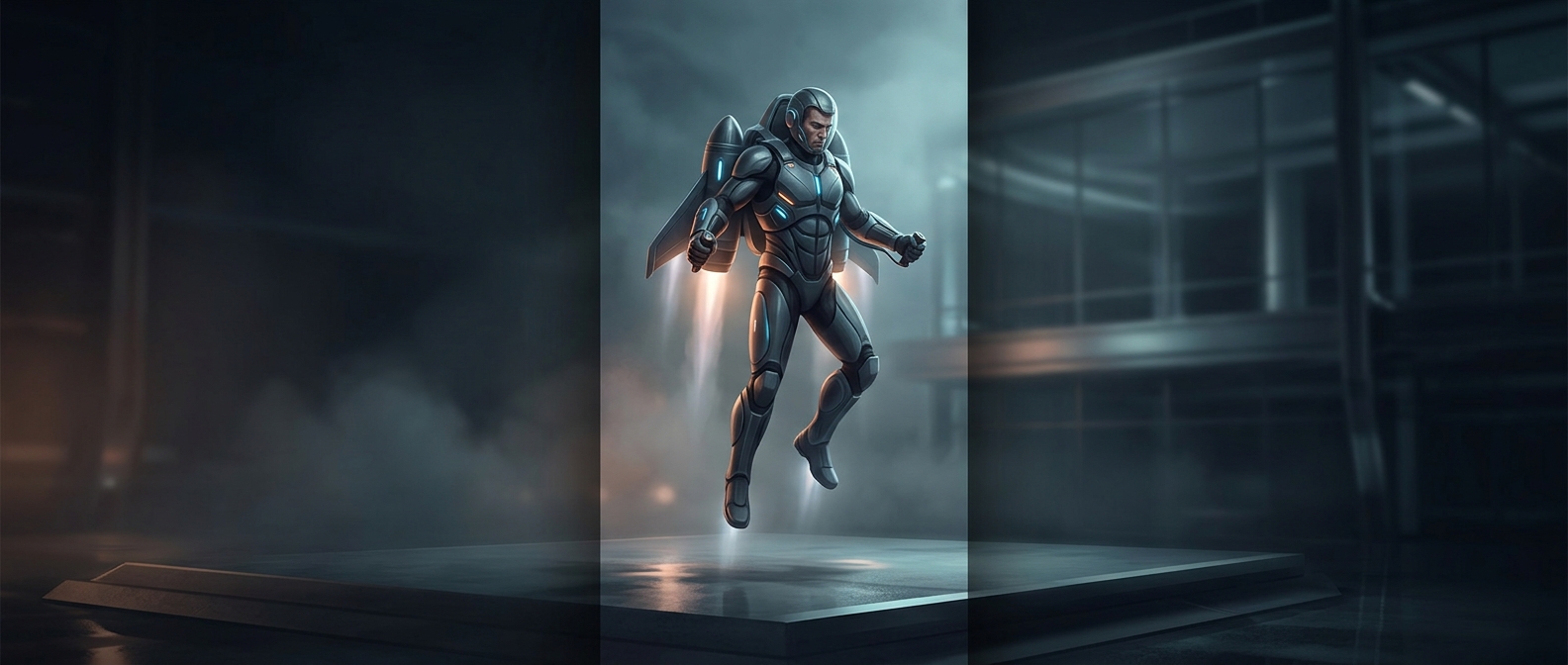
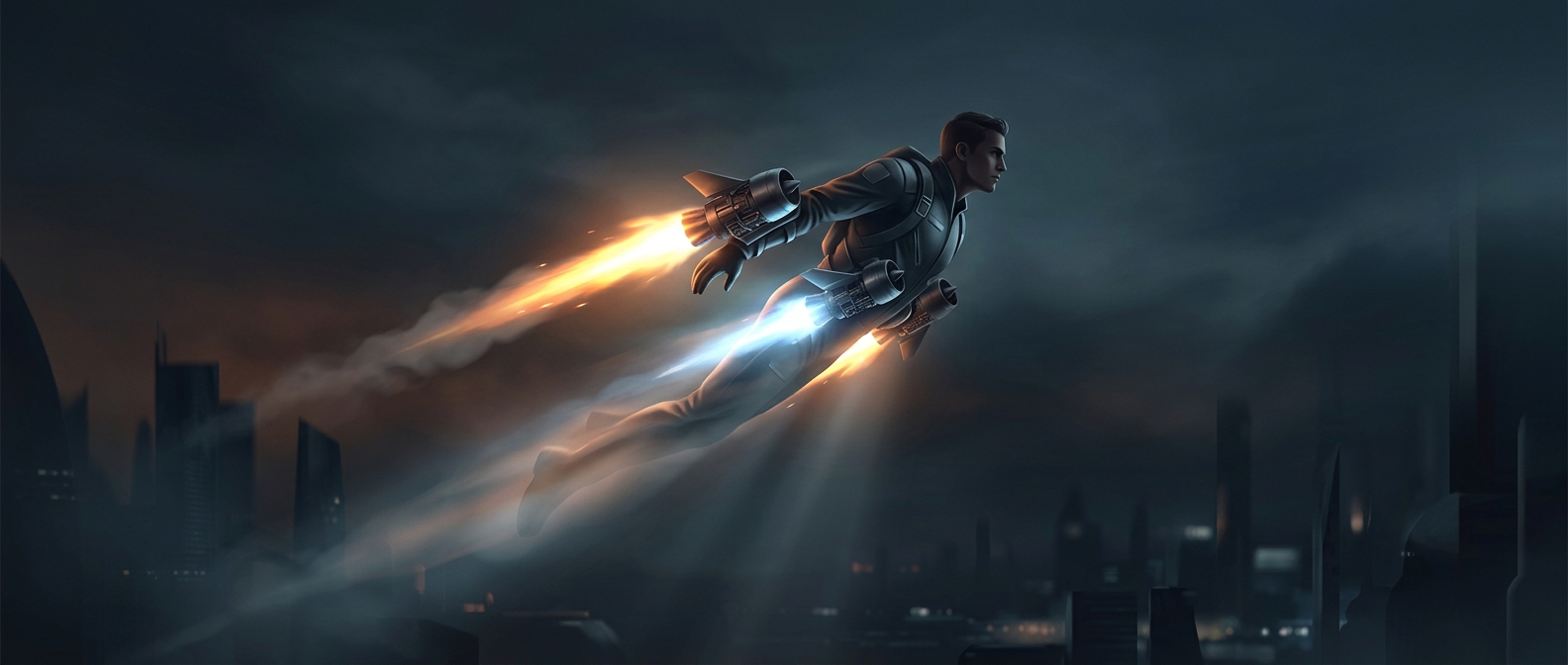
A jetpack stays aloft by pushing air downward with powerful engines. The pilot steers by changing the direction or balance of that thrust, often through controls attached to the arms. Unlike an aircraft with wings, it does not glide forward when its engines stop providing enough lift. The pilot must keep thrust and body position coordinated to remain airborne and move as intended.
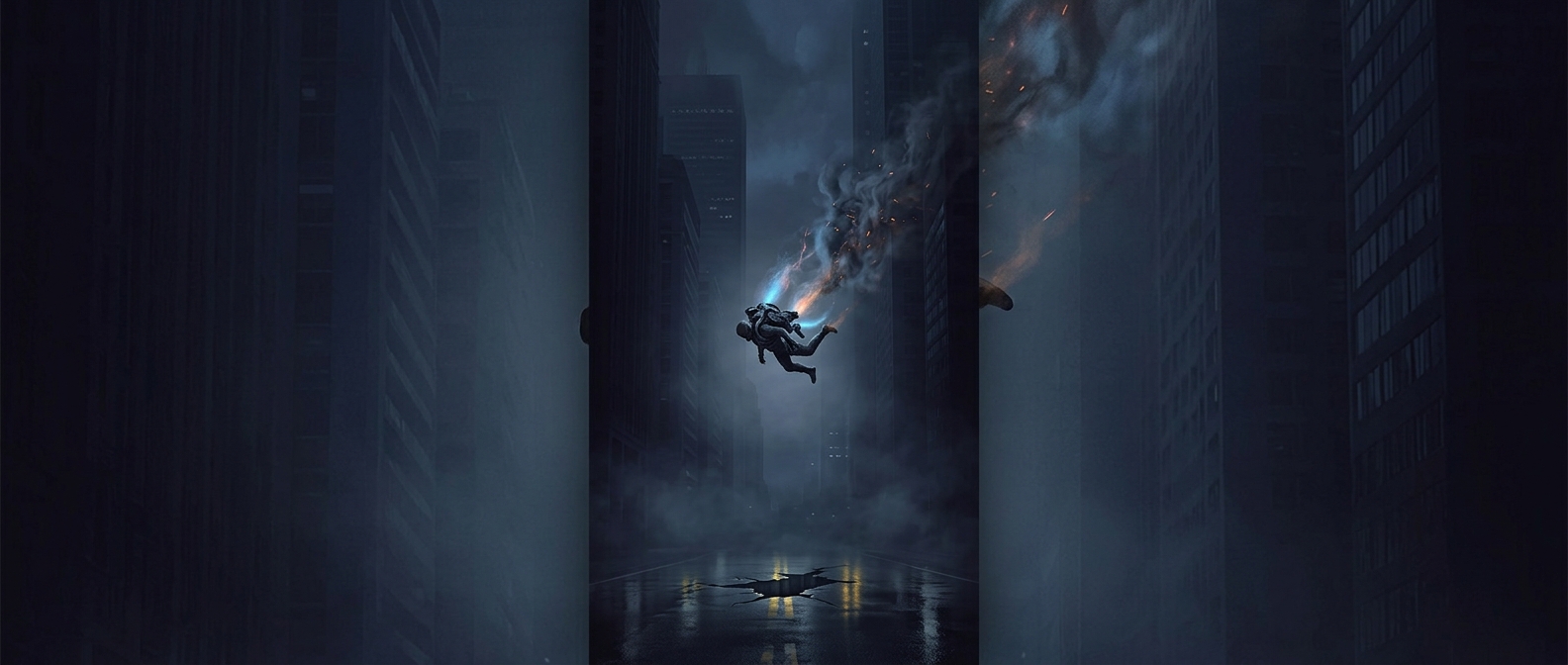
That makes a wobble more than a brief loss of comfort. If the thrust shifts unevenly, the pilot can begin tilting or drifting; correcting the motion takes time and room. A correction that comes too late may not stop the movement before the pilot reaches the ground or an obstacle.
Altitude Is a Safety Margin
Height provides space to recognize an error, counter it, and let the movement settle. Near the ground, those steps have to happen in a much shorter interval. Even if the pilot knows what to do, there may not be enough distance for the correction to take effect before impact.
The same constraint applies to steering around trouble. A person on foot can stop or change direction within a few steps. A jetpack pilot must redirect a moving body while managing thrust, and a nearby obstacle can leave little room for that change.
This is why hovering low is not automatically safer than flying higher: being close to the ground reduces the time and space available to recover from a control error. In jetpack flight, the most important reserve is not just fuel or engine power, but clear air and enough altitude to make a correction work.