A House Built in a Story of the Dead
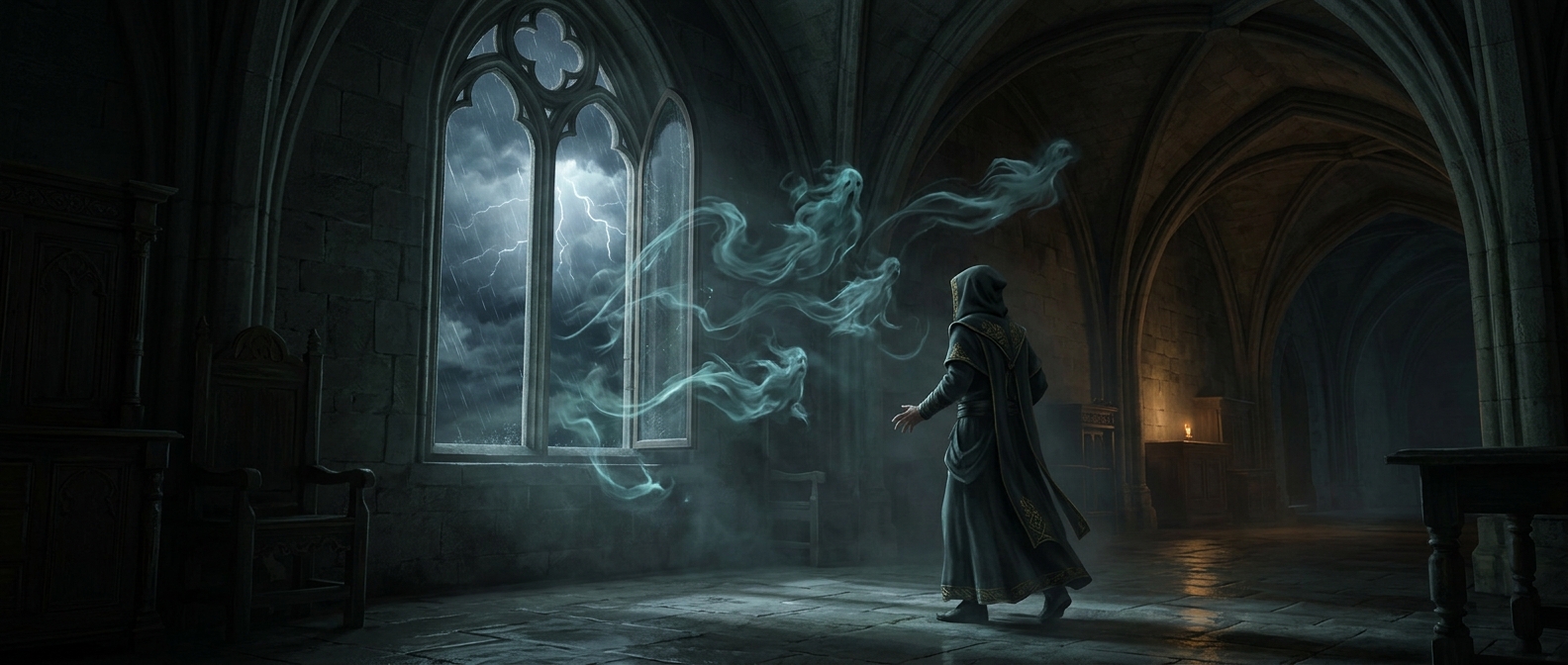
The story most often told about Sarah Winchester begins with grief. After inheriting wealth from the family’s rifle business, she was said to have consulted a medium who warned that spirits killed by Winchester guns were pursuing her. The remedy, according to the tale, was to keep building a house for them—and never let construction stop.
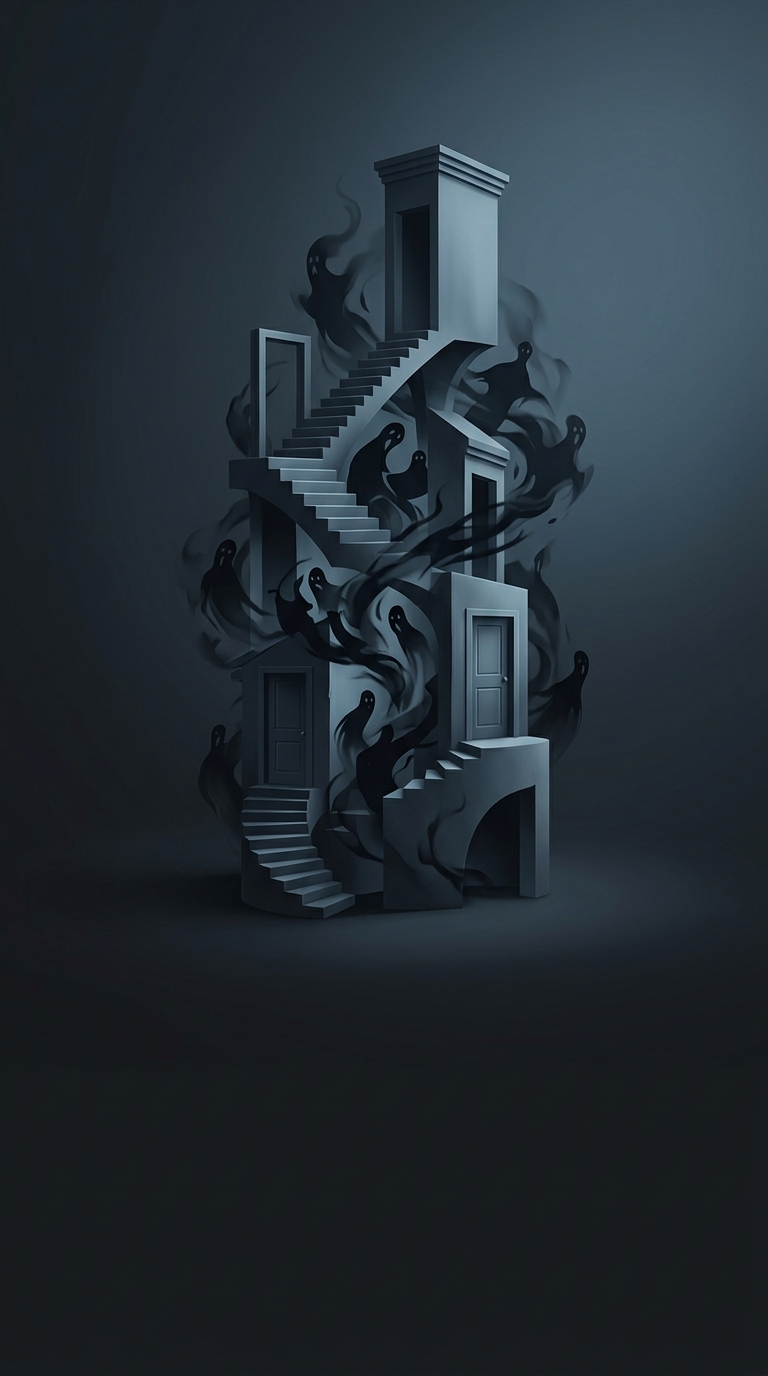
That account gives the mansion’s bewildering design a purpose: its dead ends and strange openings become part of an attempt to confuse or accommodate unseen visitors. But the haunting explanation is a legend associated with the house, not a documented blueprint for every architectural oddity. The tale has endured because it turns an extraordinary building project into a story people can read room by room.
How Remodeling Made the Maze
Winchester bought a modest farmhouse in San Jose in 1886 and expanded it over decades, until her death in 1922. Rather than following a single, orderly plan, the house grew through repeated additions and alterations. A stairway that stops at a ceiling or a door that opens onto empty space can result when one part of a building is changed without bringing the rest into alignment.
The mansion’s famous features—staircases leading nowhere, doors opening onto drops, and windows set into floors—make the most sense as traces of that ongoing process. They are not merely decorative curiosities; they show what can happen when a house is continually revised instead of completed according to one coherent design.
Why the Legend Fits the Architecture
A normal house helps visitors understand where they are going. Winchester’s sprawling layout repeatedly breaks that expectation: a route may end abruptly, or an opening may reveal an unexpected level. That disorientation makes the ghost story feel as though it belongs to the building itself, even though the house’s oddities do not prove a supernatural cause.
The result is a rare architectural afterlife: the mansion’s unfinished, layered character became the physical evidence for its most famous legend. Visitors encounter the story not just in a retelling, but in stairs that stop where a person expects to keep climbing.