How One Click Becomes a Celebrity Feud
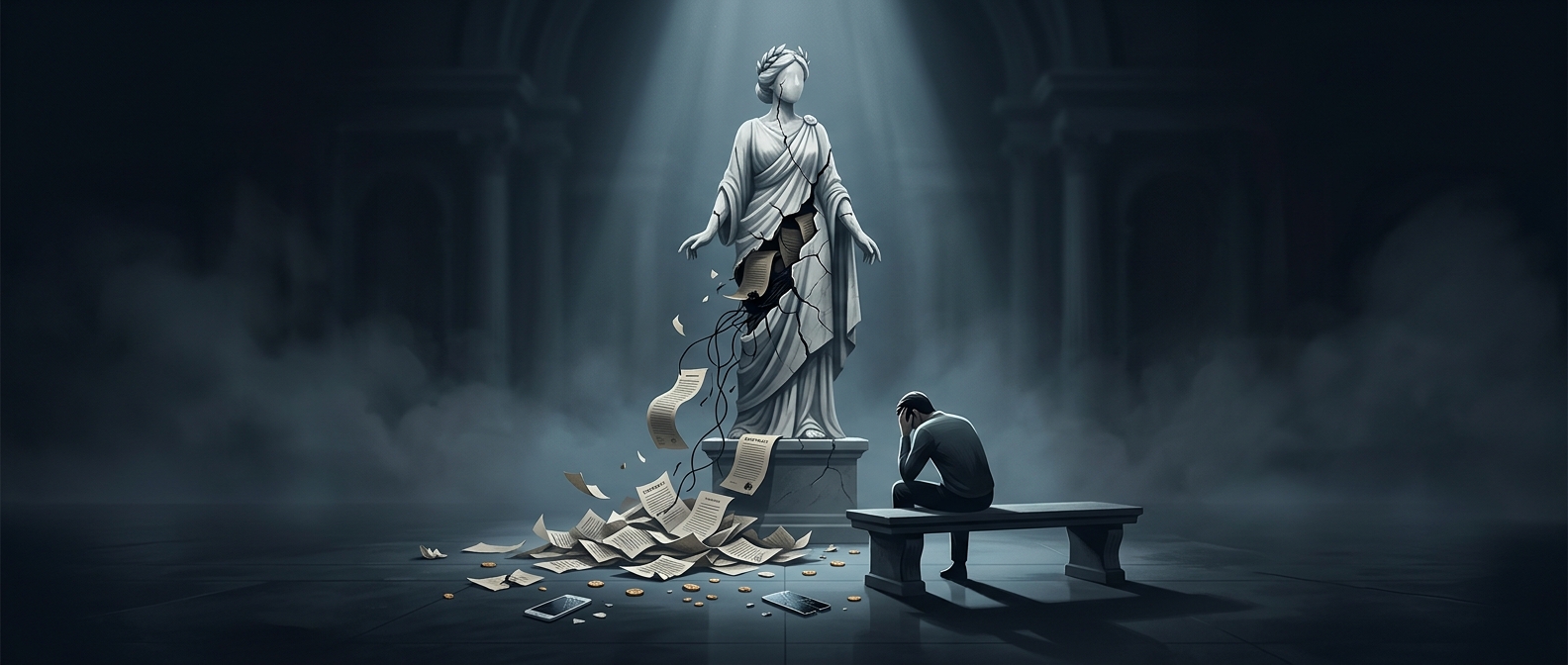
An unfollow is visible, but its meaning is not. It may reflect a falling-out, a routine account cleanup, a change in how someone uses a platform, or nothing more dramatic than an accidental tap. Because the action leaves a trace while the reason stays private, fans are left to fill in the gap.
That gap is where interpretation begins. A post goes up, an old photo disappears, or two stars stop appearing together—and each detail can be treated as a clue. Emojis are especially easy to overread: a vague symbol can be matched to almost any theory once people suspect there is a story behind it.
Why Fans Build the Story Together
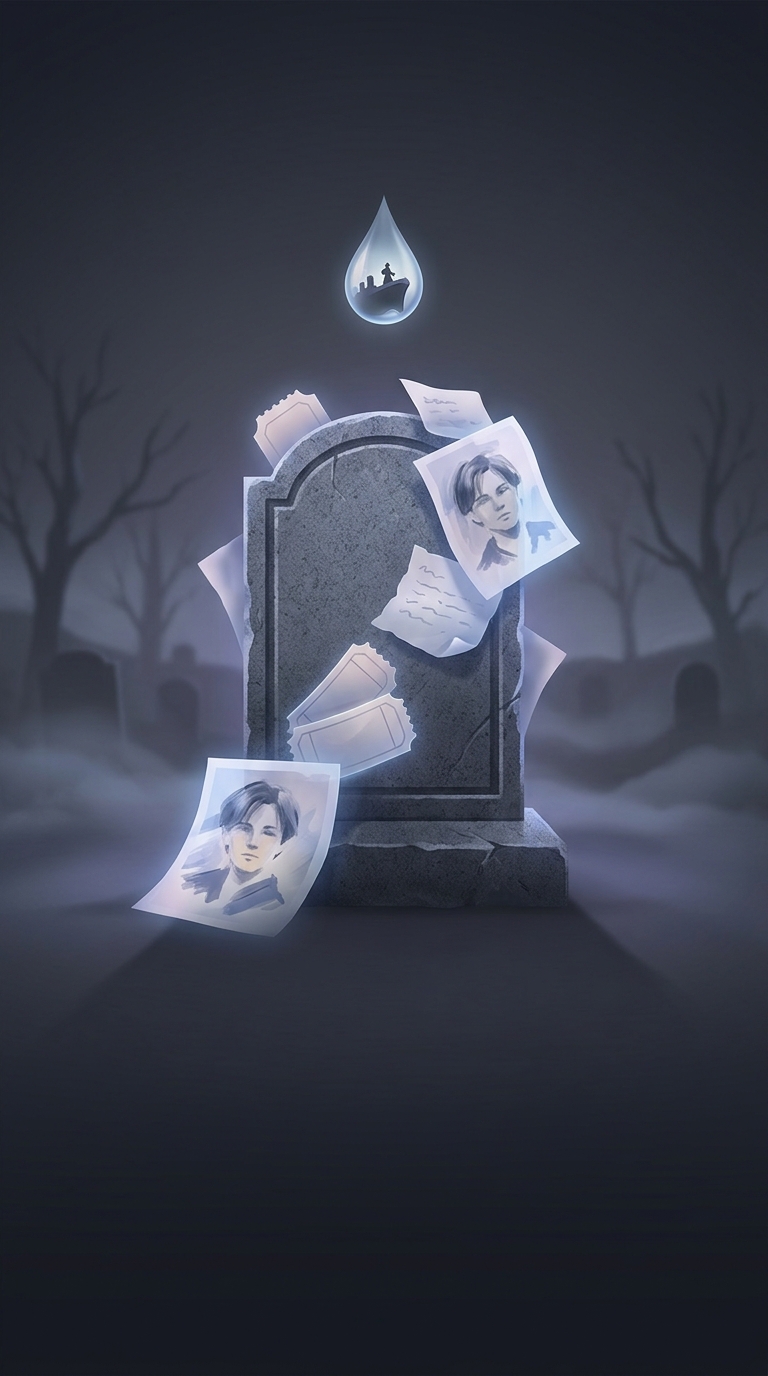
Following celebrities creates a one-sided sense of familiarity, sometimes called a parasocial relationship: fans know public details about a person, though the person does not know them in return. That investment can make small changes feel personally significant. A cryptic post is not just a post; it becomes something to interpret.
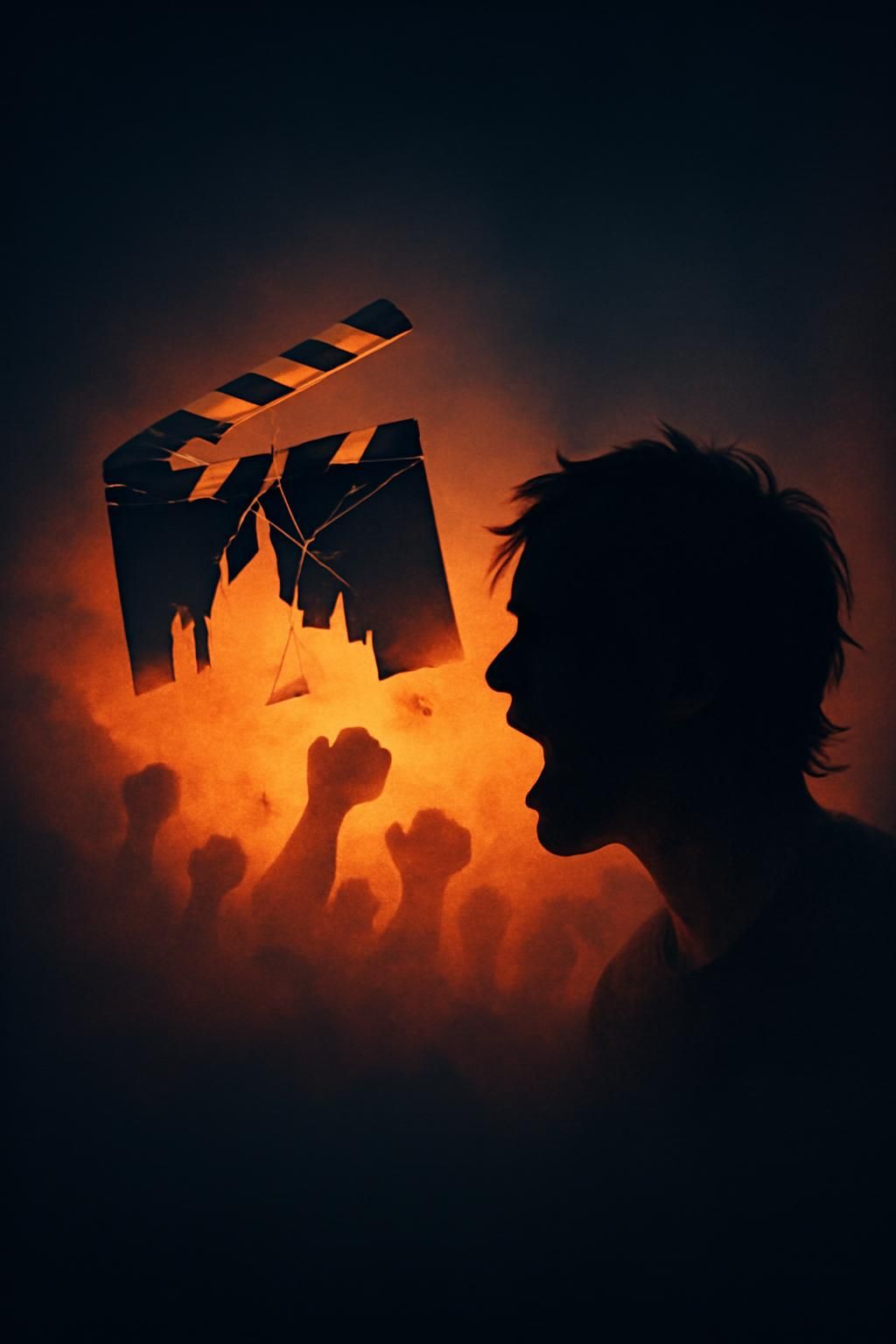
Online, that interpretation becomes collaborative. One fan spots a change, another finds an older post that seems to fit, and a third proposes a timeline. The pieces can reinforce one another even when none independently confirms a feud. Once a theory catches on, later details may be read through it, while ordinary explanations attract less attention.
The Incentive to Keep Decoding
Speculation is also easy to circulate. A clear claim—“they unfollowed each other”—is more shareable than the unresolved reality that no one outside the people involved may know why. Reaction posts and discussion can keep the theory visible, giving each new ambiguous gesture an audience already primed to search for meaning.
That does not mean every rumor is false, or that fans are foolish for noticing patterns. It means a public signal can show that something changed without revealing what changed or why. The next emoji may feel like the missing proof, but it can also become one more blank space for the audience to fill.