When a Fictional Name Met a Real Grave
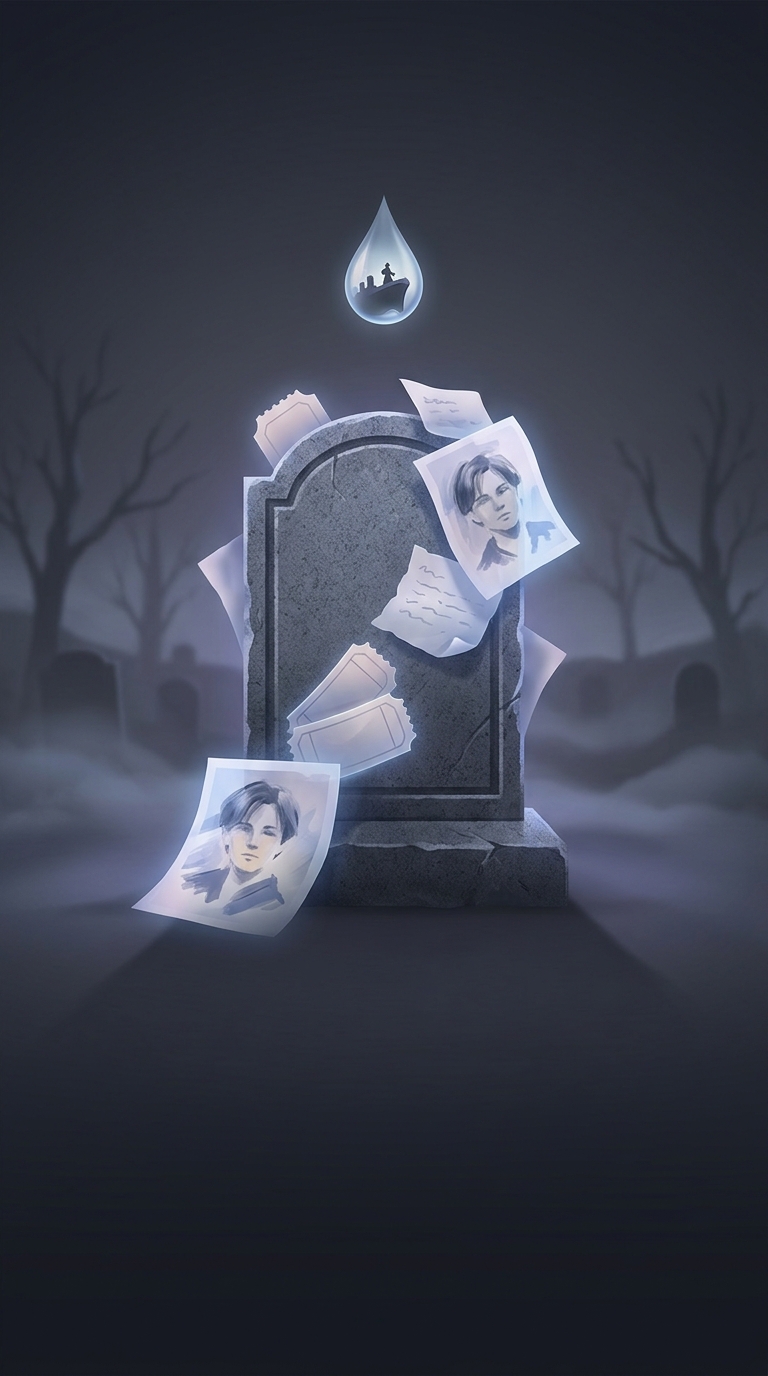
Jack Dawson was created as a fictional character, not as a portrait of a Titanic passenger. The coincidence came into focus after the film’s release, when viewers learned that a real J. Dawson had died in the disaster and was buried in Halifax, Nova Scotia. The shared surname—and the matching initial on the grave—made the story feel as if the film had left a trace in the historical record.
But the grave was not Jack’s. It belonged to a real Titanic victim, separate from the character played by Leonardo DiCaprio. The resemblance was striking precisely because it was accidental: fiction and history had arrived at the same name without describing the same person.
How the Film Changed What Visitors Saw
The film gave audiences a vivid, personal way to imagine the disaster. Jack’s romance with Rose is invented, but it unfolds against the real sinking of the ship. Afterward, some fans carried that emotional connection to the cemetery, leaving DiCaprio photographs, movie tickets, and letters at the real Dawson’s grave.
Those offerings turned a grave marker into an unusual meeting point between popular culture and remembrance. Visitors were responding both to a character they cared about and to a person who actually died aboard the Titanic, even though the two were not one and the same.
The detail is worth retelling because it shows how a historical film can shape the way people encounter real history: a fictional name can lead viewers to a real grave, where the boundary between the story they watched and the loss it evokes becomes unexpectedly visible.